Decorative Fireplace Screens: Add Style to Your Hearth

Source:https://st.hzcdn.com

A fireplace is more than just a functional feature in your home—it serves as a focal point that adds warmth, comfort, and a cozy ambiance. However, a fireplace isn’t complete without a stylish and functional screen to protect your space. Decorative fireplace screens have evolved beyond simple safety features, becoming essential elements of interior design. These screens not only help to keep embers from escaping but also offer an opportunity to enhance the aesthetic appeal of your hearth. In this article, we will explore the importance of decorative fireplace screens, the different types available, and how they can be used to elevate the style of your home.

Why You Need a Decorative Fireplace Screen

When you think about a fireplace, the first things that come to mind may be warmth, relaxation, and gathering around with family or friends. But beyond those moments, a fireplace requires safety measures to keep your home secure. Embers and sparks can easily escape from an open fire, posing a fire hazard to the rest of your home. A fireplace screen serves as a protective barrier, ensuring that these dangerous sparks stay contained.

However, decorative fireplace screens serve more than just a practical function. They also enhance the aesthetic of your fireplace and overall room design. With various styles, materials, and finishes available, a fireplace screen can be an elegant addition to the décor of any room. Whether you’re going for a classic, contemporary, or rustic look, a well-chosen fireplace screen can elevate the entire atmosphere of your living space.

1. Safety and Functionality

The primary function of any fireplace screen is to act as a safety barrier, preventing embers from flying out and causing damage to your floors, furniture, or even igniting nearby curtains. Even though modern fireplaces are generally designed to be more efficient, the need for a protective screen remains. Without a screen, there’s also a risk of pets or children coming too close to the fire, making it unsafe for the family.

Decorative fireplace screens offer the same safety as their basic counterparts but with added flair. They ensure that your hearth remains safe while complementing the design of your living room.

2. Enhancing the Visual Appeal

The visual impact of a decorative fireplace screen should not be underestimated. The screen can transform your fireplace from a functional structure into a beautiful centerpiece. From sleek modern designs to intricate antique-inspired patterns, there is no shortage of options to suit any style. With designs ranging from minimalistic frames to ornate, hand-forged metals, a well-chosen screen can make your fireplace stand out, adding elegance and sophistication.

Types of Decorative Fireplace Screens

Choosing the right decorative fireplace screen requires understanding the various styles and materials available. The right choice will not only suit the aesthetic of your room but will also complement the function of your fireplace.

1. Traditional Fireplace Screens

For those who love classic elegance, traditional fireplace screens are ideal. These screens often feature intricate scrollwork, wrought iron elements, or ornate details that mimic vintage designs. Some traditional screens incorporate brass, bronze, or gold finishes, giving them a timeless, regal look. These styles are perfect for homes with traditional or colonial décor, where the focus is on classic beauty and craftsmanship.

For example, a traditional screen with delicate floral or geometric patterns can be a stunning addition to a fireplace in a living room that also features antique furniture or vintage décor.

2. Modern and Minimalist Designs

If your home boasts a modern aesthetic, you might prefer decorative fireplace screens that embody simplicity and clean lines. Modern fireplace screens often feature sleek, flat surfaces with minimal detailing. They come in various materials, including stainless steel, brushed nickel, and even glass. A minimalist screen provides a sophisticated, understated look that won’t overwhelm the space but still adds a touch of modern elegance.

Some of these modern designs may include geometric shapes or mesh, providing both form and function. A frameless, clear glass screen, for example, can create the illusion of a larger space while allowing you to enjoy the view of the fire without obstruction.

3. Rustic and Farmhouse Screens

For those with rustic or farmhouse-style homes, a decorative fireplace screen made from reclaimed wood, copper, or distressed metal could be the perfect match. These materials bring a sense of warmth and authenticity to a room, complementing the natural elements often seen in these décor styles.

Rustic fireplace screens may feature heavier frames, with raw metal or weathered finishes that evoke a sense of handcrafted charm. A large, copper-framed screen with aged patina, for instance, would look right at home in a cabin or country-style living room.

4. Artistic and Custom Designs

For those who want to add a truly unique touch to their fireplace, custom or artistic screens are a great option. Many artisans and designers specialize in creating one-of-a-kind decorative fireplace screens that reflect your personality and taste. You can opt for abstract designs, nature-inspired patterns, or even custom images such as family initials or logos.

Custom screens offer unlimited possibilities for personal expression, making your fireplace truly your own. Whether it’s a screen with intricate laser-cut designs or hand-forged metalwork, these screens can add a touch of craftsmanship and artistry to your space.

Maintaining Your Decorative Fireplace Screen

While decorative fireplace screens are designed to last, they still require some maintenance to keep them looking their best. The level of maintenance depends on the material of your screen, but in general, you should follow these basic care tips:

1. Regular Cleaning

To keep your fireplace screen free of soot and ash, it’s important to clean it regularly. If your screen is made of metal, use a soft cloth to wipe away dust and dirt. For screens with intricate designs or mesh, a vacuum cleaner with a brush attachment can help remove debris. Make sure to avoid harsh chemicals that could damage the finish of the screen.

2. Avoiding Rust

For metal screens, especially those made of iron or steel, rust can be a concern. To prevent this, keep the screen dry and avoid letting moisture sit on the surface for prolonged periods. If you notice rust forming, it can be removed with a wire brush or sandpaper, followed by a fresh coat of protective sealant to prevent further corrosion.

3. Protecting from Heat Damage

While decorative screens are designed to withstand heat, they should still be kept free from excessive direct exposure to flames. Avoid placing flammable materials near the screen, and regularly check the surrounding area to ensure that it remains safe and secure.

Decorative fireplace screens offer a perfect balance of style, safety, and functionality for your home. Whether you prefer a traditional, modern, rustic, or custom design, there’s a fireplace screen that can elevate the look of your hearth while providing essential protection from sparks and embers. By choosing a screen that complements the style of your living space, you not only enhance the beauty of your fireplace but also ensure the safety and longevity of your home. With the right decorative screen, your fireplace will become a true centerpiece of your room, blending design with practicality in a way that can be admired for years to come.

DIY Wall Murals: Create Stunning Art in Your Home

Source:https://images.photowall.com

Transforming your home into a space that reflects your personality and style doesn’t always require expensive renovations or designer furniture. One of the most creative and impactful ways to do so is by adding DIY wall murals to your space. Wall murals have the ability to turn a simple, blank wall into a stunning focal point, instantly elevating the ambiance of a room. Whether you’re looking for something abstract, nature-inspired, or a more personalized design, creating your own mural can be a fun and rewarding project. In this article, we’ll explore how you can craft beautiful, custom DIY wall murals that will bring a unique touch of artistry to your home.

Why Choose DIY Wall Murals?

Wall murals are more than just decorative pieces—they’re a powerful form of self-expression. The main reason many homeowners opt for DIY wall murals is that they provide a personal, customizable touch that other forms of wall art simply can’t match. Unlike mass-produced artwork or generic wallpaper, murals are one-of-a-kind creations that can reflect your tastes, passions, and creativity.

1. A Personalized Artistic Expression

The beauty of a mural is that it can be tailored to fit any theme or mood you want to evoke in a room. Perhaps you love the idea of a calming landscape in your bedroom, or maybe you want a vibrant cityscape to inspire creativity in your home office. With DIY murals, you have the power to select colors, styles, and images that resonate with you, creating a truly personalized piece of art for your living space.

2. Cost-Effective Design

While hiring a professional muralist can be expensive, creating your own mural allows you to achieve the same stunning visual impact at a fraction of the cost. DIY wall murals are an affordable way to add artistic flair to your space without breaking the bank. By purchasing a few basic supplies, you can make a big difference in the overall feel of your room.

3. A Sense of Accomplishment

There’s a unique sense of satisfaction that comes with completing a project you’ve done yourself. Not only will you get to enjoy the mural as part of your décor, but you’ll also take pride in knowing that you’ve created something beautiful with your own hands. The process of planning, sketching, and painting your mural can be a therapeutic and enjoyable experience, and the end result is a stunning piece of art that adds character to your home.

Types of DIY Wall Murals and Ideas for Inspiration

There are countless ways to approach a DIY wall mural, and the options are only limited by your creativity. Here are some popular ideas and styles for murals that you can consider for your home:

1. Nature-Inspired Murals

One of the most popular themes for DIY murals is nature. Whether it’s a serene mountain scene, a tropical jungle, or a tranquil beach, nature murals bring a sense of calm and beauty to a room. These murals are particularly fitting for bedrooms or living areas where relaxation is key. You can use soft, muted colors for a peaceful vibe or bold and vibrant shades to create a more dramatic effect.

For a more creative twist, consider incorporating nature into a modern design. Geometric trees, abstract floral patterns, or stylized waves can infuse your mural with a contemporary edge while still maintaining a natural theme.

2. Geometric and Abstract Murals

If you’re looking for a more modern or minimalist aesthetic, geometric and abstract DIY wall murals might be the right fit. These designs often use clean lines, shapes, and vibrant colors to create a striking, visual impact. Geometric murals can bring a contemporary feel to a living room, home office, or even a kitchen. Whether you choose symmetrical patterns, angular shapes, or irregular forms, abstract murals can add personality and texture to your walls without overwhelming the space.

For a more refined look, consider monochromatic tones, or experiment with gradients to create depth and dimension. You can even combine different techniques, such as watercolor effects or textured brushstrokes, to make your mural stand out.

3. Mural With a Personal Touch

Perhaps the most exciting aspect of DIY murals is that they allow you to add a personal touch to your space. Family portraits, favorite quotes, or significant places in your life can make for powerful mural designs. For example, you could paint a mural of your favorite vacation destination, or an inspirational quote that holds personal meaning to you. This type of mural brings a deeper connection to your home, making it more than just a decorative piece but a reflection of your identity.

If you’re artistically inclined, you might even choose to recreate a personal photograph as a mural. This could be an image of a special moment in your life, such as a wedding or the birth of a child, or a beloved family pet. By incorporating such personal images, your mural will serve as a reminder of the things that matter most to you.

Step-by-Step Guide to Creating Your DIY Wall Mural

Creating a DIY wall mural is a straightforward process, but it does require planning, patience, and the right tools. Here’s a basic step-by-step guide to help you get started:

1. Choose Your Mural Theme and Design

The first step is to decide on the theme and design of your mural. Start by gathering inspiration—look at websites like Pinterest, Instagram, or even art books for ideas that match your room’s aesthetic. Once you have an idea of the style, sketch a rough version of your design on paper to visualize how it will look on the wall.

2. Prepare the Wall

Before you start painting, ensure the wall is clean and smooth. Patch up any holes or cracks, and lightly sand the surface to ensure the paint will adhere properly. If the wall has a bold color or pattern, you may want to apply a base coat of white or a neutral color to make your mural stand out more vividly.

3. Transfer the Design to the Wall

Once the wall is prepped, it’s time to transfer your design. If your mural is large, you might want to use a grid technique to ensure your design stays proportional. This involves drawing a grid on both your sketch and the wall, breaking the mural into smaller, more manageable sections. Alternatively, you can use a projector to project your design onto the wall and trace it.

4. Select the Right Paints and Tools

When it comes to paint, choose high-quality acrylic paints, which work well on walls and provide vibrant colors that will last. You’ll also need a variety of brushes, ranging from large rollers to fine-tipped brushes for intricate details. Additionally, consider using painter’s tape to create clean edges and protect areas you don’t want painted.

5. Start Painting

Begin painting your mural from the top down to prevent drips from affecting areas you’ve already painted. Start with the background or larger elements, and gradually add in the smaller details. Take your time, and don’t rush the process—layering colors and adding shading can really make your mural pop. For intricate designs, you can also use a small brush for finer details.

6. Add Finishing Touches

Once the painting is complete, let it dry thoroughly. To ensure your mural stays vibrant and protected, consider applying a clear acrylic sealer. This will help protect the mural from wear and tear, especially in high-traffic areas or places exposed to moisture, like bathrooms or kitchens.

Creating DIY wall murals is an exciting and rewarding way to personalize your home and add a unique artistic flair to your space. From nature-inspired landscapes to geometric designs or personal portraits, the possibilities for mural art are endless. Not only do these murals enhance the aesthetics of a room, but they also allow you to express your creativity and bring your personal vision to life. With a little planning, patience, and the right tools, you can turn any blank wall into a stunning piece of art that truly reflects who you are.

Beach-Themed Living Room: Creating a Coastal Escape at Home

Source : https://learncalifornia.org

Imagine walking into a room where the sound of the ocean and the feel of a cool breeze seem to instantly surround you, even though you’re miles from the beach. A beach-themed living room is a perfect way to bring the soothing vibes of the coast right into your home. This design trend draws inspiration from the natural beauty of the beach—light colors, natural textures, and elements that evoke a sense of tranquility and relaxation. Whether you live by the shore or simply dream of beach vacations, creating a coastal-inspired living room can make your space feel like a year-round retreat. In this article, we’ll explore how to design the ultimate beach-themed living room, focusing on color schemes, furniture choices, and decorating tips to help you create your own coastal escape.

The Foundations of a Beach-Themed Living Room

A beach-themed living room starts with the right foundation. The goal is to create an atmosphere that feels calm, airy, and connected to the natural world. The beach-inspired style draws heavily from nature, incorporating elements such as sand, water, and sea life into the design. Whether you’re remodeling a space or adding a few subtle touches, there are several key elements that will help you achieve a beachy feel in your living room.

1. Choosing the Right Color Palette

The first step to creating a beachy atmosphere is choosing the right color palette. The colors in a beach-themed living room should evoke the calm and peaceful feeling of the sea. Think of soft, natural hues like sandy beige, ocean blue, seafoam green, and crisp white. These colors create a serene environment that mirrors the beauty of the coastline.

  • Soft Blues and Greens: The blues of the ocean and greens of the sea grass are essential in setting the coastal tone. Light blue walls, cushions in shades of teal, or minty green accents can all help to bring the sea indoors.
  • Neutrals and Earth Tones: To balance the vibrant blues and greens, incorporate neutral tones like sandy beige, driftwood gray, and white. These tones mimic the beach itself, from the soft sand to the weathered wood found on the shore.
  • Accent Colors: Consider adding pops of colors that remind you of the beach—such as coral, shell pink, or sunny yellow. These bright accents can be used sparingly to avoid overwhelming the space, but they will help to add energy and warmth to your beach-themed living room.

2. Incorporating Natural Materials

The key to creating an authentic beach-inspired living room is bringing in natural materials that echo the textures and beauty of the coastal environment. When designing a beach-themed space, opt for furniture and decor made from materials like wood, wicker, jute, rattan, and linen. These materials not only add texture but also create a more organic, grounded feel to your space.

  • Wood: Driftwood and reclaimed wood are popular choices for beach-style furniture. Choose wood with a weathered or whitewashed finish to mimic the natural aging process that wood undergoes when exposed to saltwater and sun.
  • Wicker and Rattan: Wicker furniture or rattan chairs can easily be incorporated into your beach-themed living room. These lightweight materials are perfect for a casual, airy vibe.
  • Linen and Cotton: Soft, natural fabrics like linen and cotton are ideal for upholstery, curtains, and throw pillows. These fabrics are breathable and lightweight, contributing to the relaxed, breezy feeling of the coast.
  • Jute and Seagrass: Rugs made from jute or seagrass are excellent for adding a natural texture to the floor, grounding the space, and contributing to the organic coastal look.

Furniture and Decor Ideas for a Beach-Themed Living Room

In addition to the foundational elements like color and materials, the furniture and decor pieces you choose for your beach-themed living room will help bring the coastal atmosphere to life. From comfy sofas to beach-inspired accessories, the right furnishings will help you achieve a relaxed, beachy feel while ensuring comfort and functionality.

1. Sofas and Seating Options

The focal point of any living room is the seating, and when designing a beach-themed living room, comfort is key. Choose a sofa with soft, neutral upholstery—think light beige, soft gray, or pale blue. A sectional sofa with plush cushions can create an inviting space where you can relax and unwind, much like lounging by the shore.

  • Slipcovers: For a casual, beachy look, consider using slipcovers on your sofas and chairs. This option allows for easy cleaning and gives your furniture a laid-back, breezy feel that’s perfect for a coastal-inspired room.
  • Cushions and Throw Pillows: To infuse the space with color and texture, add cushions in beach-inspired fabrics such as linen, cotton, or even outdoor-friendly fabrics if your living room opens to an outdoor patio. Patterns like stripes, anchors, seashells, or coral can add fun, nautical touches to the room.

2. Accent Pieces and Accessories

Once the major furniture pieces are in place, accessorize with items that evoke the charm of the seaside. Consider adding subtle nautical accents and coastal-inspired decor elements to create a true beach retreat.

  • Seashells and Coral: Displaying seashells, starfish, or pieces of coral in glass jars or on open shelves adds an instant beach vibe. These small details can help to make your beach-themed living room feel more connected to the sea.
  • Glass Jars and Vases: Fill clear glass vases or jars with sand, shells, or even driftwood to create a focal point. You can also use the glass containers to hold candles for a soft, ambient glow that reminds you of a beach bonfire.
  • Beach Artwork: Choose artwork that features serene ocean scenes, beach landscapes, or vintage nautical prints. Large canvas prints or framed photographs of the sea can make a bold statement on your walls and add to the beachy feel.
  • Nautical Lighting: Lighting fixtures such as lantern-style lamps, hanging pendant lights with natural rope accents, or coastal-inspired chandeliers can illuminate your room while maintaining the beach theme.

3. Natural Greenery

Incorporating greenery into your beach-themed living room will enhance the fresh, organic feel of the space. Plants such as palm trees, ferns, or succulents add color and texture while evoking the lush, tropical feel of coastal environments. Consider using large indoor plants to create a more dramatic look or smaller potted plants for a subtle touch.

Conclusion: Create Your Own Beach-Themed Living Room Escape

A beach-themed living room is more than just a design trend—it’s a way to bring the tranquility and beauty of the coast into your everyday life. By selecting the right color palette, incorporating natural materials, and adding beach-inspired furniture and decor, you can transform your living room into a coastal retreat. Whether you’re lucky enough to live near the ocean or you’re simply drawn to the soothing atmosphere of beach-inspired design, a beach-themed living room offers a timeless and inviting space to relax, unwind, and enjoy the beauty of nature. Create your own coastal escape today and enjoy the serenity of the beach from the comfort of your home.

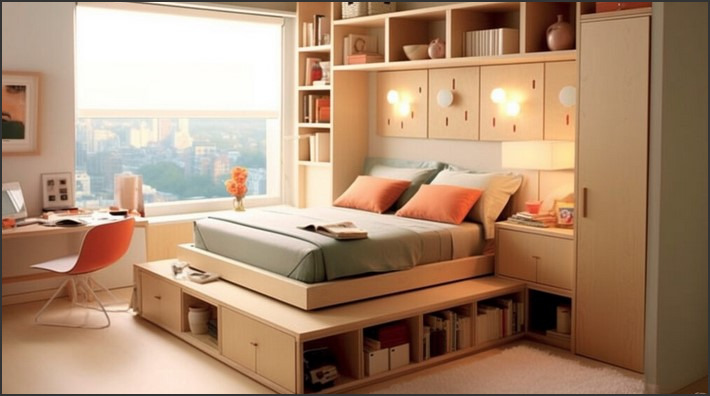
Tiny Tranquility: Maximizing Space in Tiny Bedrooms

Source : https://quatest2.com.vn

Tiny Tranquility is a company that specializes in maximizing space in tiny bedrooms. We understand that living in a small space can be challenging, and we are here to help you make the most of your space. Our team of experienced designers and craftsmen will work with you to create a custom design that fits your needs and budget. We offer a wide range of products and services, from custom furniture to storage solutions, to help you make the most of your tiny bedroom. We believe that even the smallest of spaces can be transformed into a tranquil and comfortable retreat. With our help, you can create a space that is both functional and beautiful.

How to Create a Tranquil Space in a Tiny Bedroom: Tips and Tricks for Maximizing Space

Creating a tranquil space in a tiny bedroom can be a challenge, but with the right tips and tricks, it is possible to maximize the space and create a peaceful retreat. Here are some tips and tricks for creating a tranquil space in a tiny bedroom:

1. Declutter: The first step to creating a tranquil space in a tiny bedroom is to declutter. Remove any unnecessary items and organize the remaining items in a way that maximizes the space. This will help create a sense of calm and order in the room.

2. Choose a Neutral Color Palette: Choosing a neutral color palette for the walls and furniture will help create a tranquil atmosphere. Neutral colors such as white, beige, and gray will help create a sense of calm and serenity.

3. Add Natural Elements: Adding natural elements such as plants, wood, and stone can help create a tranquil atmosphere. Natural elements will help bring the outdoors inside and create a sense of peace and tranquility.

4. Use Mirrors: Mirrors can help create the illusion of more space and can also help reflect light, making the room appear brighter and more open.

5. Utilize Vertical Space: Utilizing vertical space is key when it comes to maximizing a tiny bedroom. Invest in furniture that can be hung on the wall or use shelves to store items. This will help create more floor space and make the room appear larger.

By following these tips and tricks, it is possible to create a tranquil space in a tiny bedroom. With a little creativity and effort, it is possible to create a peaceful retreat in even the smallest of spaces.

Designing a Tiny Bedroom for Maximum Comfort and Tranquility: Ideas for Making the Most of Your Space

Designing a tiny bedroom for maximum comfort and tranquility can be a challenge. However, with careful planning and creative use of space, it is possible to create a cozy and peaceful retreat. Here are some ideas for making the most of your small bedroom:

1. Choose a calming color palette. Soft, neutral colors such as light blues, grays, and whites can help create a tranquil atmosphere. Avoid bright colors and patterns, which can be overwhelming in a small space.

2. Utilize vertical space. Make use of the walls and ceiling by adding shelves, hanging artwork, and installing floating shelves. This will help to create the illusion of more space.

3. Invest in multi-functional furniture. Look for pieces that can serve multiple purposes, such as a bed with storage drawers or a desk that doubles as a vanity. This will help to maximize the available space.

4. Add a few plants. Plants can help to purify the air and add a touch of nature to the room. Choose low-maintenance varieties that don’t require too much care.

5. Incorporate natural light. If possible, install a window or skylight to let in natural light. This will help to make the room feel larger and more inviting.

6. Utilize mirrors. Mirrors can help to create the illusion of more space and reflect light around the room.

7. Keep it clutter-free. A cluttered room can be overwhelming and make the space feel smaller. Make sure to keep the room organized and free of unnecessary items.

By following these tips, you can create a tiny bedroom that is both comfortable and tranquil. With careful planning and creative use of space, you can make the most of your small bedroom and create a cozy retreat.Tiny Tranquility is a great resource for anyone looking to maximize the space in their tiny bedroom. With its helpful tips and tricks, it can help you create a cozy and comfortable space that is both functional and aesthetically pleasing. Whether you are looking to make the most of a small bedroom or just want to create a more organized and efficient space, Tiny Tranquility can help you achieve your goals.