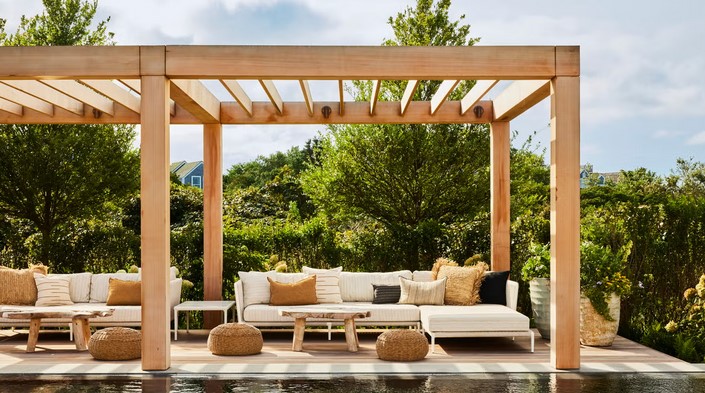
Decorative Garden Stones: Enhance Your Yard with Natural Beauty

Source:https://content.southwestboulder.com

When it comes to landscaping and enhancing the aesthetic of your outdoor space, the right decorative elements can make all the difference. One such element that has gained popularity over the years is decorative garden stones. These natural beauties can be used in countless ways to elevate your garden, add texture, and create a serene atmosphere. Whether you’re looking to line a pathway, accentuate flower beds, or add a focal point to your garden, decorative garden stones provide a versatile, long-lasting solution. This article explores how to incorporate these stones into your landscaping, the benefits they bring, and some creative ideas to help you make the most of this natural material.

Why Use Decorative Garden Stones?

Decorative garden stones offer an effortless way to enhance your yard with nature’s elegance. Not only are they incredibly durable and low-maintenance, but they also serve a functional purpose while adding to the overall design of your garden. Stones, whether large or small, smooth or rough, create visual interest and can help organize different sections of your yard. The use of decorative stones in gardens is not a new trend but rather a timeless element of landscaping that continues to evolve as gardeners seek more sustainable, aesthetically pleasing solutions.

One of the primary advantages of decorative garden stones is their versatility. They can be used in various ways, including as edging material, ground cover, or as features in sculptures and water features. Moreover, these stones are environmentally friendly, providing a long-lasting, sustainable option that won’t require constant replacement, unlike many other decorative materials.

Popular Ways to Use Decorative Garden Stones

There are endless possibilities when it comes to incorporating decorative garden stones into your outdoor space. Below, we will discuss some of the most popular and creative ways to use these stones in your yard:

1. Create Pathways and Walkways

One of the most common uses for decorative garden stones is to create beautiful, functional pathways and walkways. Stones such as flagstone, slate, and cobblestone are often used to create meandering paths that guide visitors through the garden. These natural stones not only add visual interest but also provide a stable surface to walk on, making your garden more accessible.

For a more organic look, you can use irregularly shaped stones that blend seamlessly with the surrounding plants and landscaping. Alternatively, for a more structured and uniform design, use square or rectangular stones spaced evenly apart. Adding gravel or moss between the stones creates a soft, inviting aesthetic and encourages the growth of low-maintenance plants.

2. Garden Edging

Decorative garden stones are excellent for creating defined edges around garden beds, flower borders, or lawn areas. Stone edging helps to separate different sections of the garden, adding structure and preventing grass and weeds from infiltrating flower beds. This type of landscaping also keeps the soil in place and reduces erosion.

You can use large, flat stones for a modern, sleek look or smaller pebbles for a softer, more natural appearance. The stones you choose will depend on the overall style of your garden, whether it’s a formal, contemporary space or a more relaxed, cottage-style design.

3. Water Features and Fountains

Incorporating stones into water features like fountains or ponds can bring an added layer of texture and elegance to your garden. Stones placed around the edge of a pond or waterfall can help create a natural-looking environment, making the water feature appear as though it’s a part of the landscape.

Decorative stones can also be used to construct the base of a fountain or a dry riverbed, adding visual depth and a soothing sound as water flows over them. Large, smooth river stones often work well for this purpose, as they look both natural and inviting, blending seamlessly with the surrounding plants and trees.

4. Rock Gardens and Xeriscaping

For those looking to minimize water usage or create a more low-maintenance landscape, incorporating decorative garden stones into a rock garden or xeriscape is a great option. Xeriscaping uses drought-tolerant plants combined with stones to create a sustainable, water-efficient garden.

Decorative stones in a rock garden can be used to mimic natural rocky outcrops, providing a dramatic focal point while reducing the need for irrigation. By strategically placing rocks in various shapes and sizes, you can create height variation, which adds dimension and visual interest to your garden.

5. Add Sculptural Elements

Stones can also be used as sculptural elements within your garden. Large stones or boulders can be placed to create a natural focal point or seating area. You might even find decorative garden stones that have been carved into shapes such as animals, abstract forms, or spheres, which can add an artistic touch to your landscape.

Alternatively, stacking stones to form towers or balancing stones in specific patterns can create a Zen-like atmosphere in your garden, promoting peace and tranquility. These features serve as both decorative and meditative elements, encouraging people to pause and reflect.

Benefits of Using Decorative Garden Stones

There are several compelling reasons why decorative garden stones should be considered for your outdoor design, including their durability, aesthetic appeal, and versatility. Here are some of the key benefits:

1. Low Maintenance

Once installed, decorative garden stones require very little maintenance compared to other landscaping materials. They don’t need to be replaced annually like mulch, and unlike grass, they don’t require regular mowing. Stones can withstand various weather conditions, making them a long-lasting choice for your garden.

2. Sustainability

Since stones are a natural resource, they provide an environmentally friendly option for landscaping. They don’t require any chemical treatments and have a minimal impact on the environment. In fact, many garden stones are sourced locally, reducing the carbon footprint associated with their transportation.

3. Water Drainage

Decorative garden stones are an excellent choice for improving water drainage in your yard. When strategically placed, they allow water to flow through the gaps between them, reducing puddles and water accumulation in your garden. This makes them ideal for areas prone to standing water or for creating dry riverbeds that channel water naturally.

4. Increased Property Value

A well-designed garden with decorative stones can significantly enhance the curb appeal of your home. A professionally designed stone feature—whether it’s a path, a water feature, or sculptural accents—can increase the perceived value of your property, making it more attractive to potential buyers.

In conclusion, decorative garden stones offer a practical yet beautiful solution to enhance the design and functionality of your outdoor space. Whether used for pathways, garden edging, water features, or sculptural elements, these natural stones provide a timeless aesthetic that can complement any garden style. With their durability, low maintenance, and versatility, decorative garden stones help you create a serene, organized, and visually appealing outdoor environment. Incorporating them into your landscaping not only improves the beauty of your yard but also contributes to a sustainable and low-maintenance garden. So, if you’re looking to add natural beauty and style to your yard, consider using decorative garden stones to create a stunning outdoor space that will last for years to come.

Smart Sprinkler Systems: Automate Your Watering for Efficiency

Source:https://sprinkleranddrains.com

Watering your garden or lawn is a crucial yet time-consuming task, often requiring careful monitoring to ensure plants get just the right amount of water. Over-watering or under-watering can lead to poor plant health, wasted resources, and unnecessary water bills. Thankfully, smart sprinkler systems have emerged as an innovative solution, transforming the way we manage irrigation. These systems not only automate the watering process but also optimize water usage, making them an eco-friendly and cost-effective choice for homeowners and businesses alike. This article will explore how smart sprinkler systems work, their benefits, and how they can help you save time, money, and water.

How Smart Sprinkler Systems Work

1. Technology Behind Smart Sprinklers

At the heart of smart sprinkler systems is their ability to connect to the internet and integrate with mobile apps or home automation platforms. This connectivity allows users to monitor, control, and adjust their irrigation systems remotely from smartphones, tablets, or computers. Some systems are equipped with sensors that measure soil moisture, temperature, and weather conditions, enabling them to make real-time adjustments to watering schedules.

For example, if rain is forecasted or the system detects high moisture levels in the soil, it can automatically adjust or skip scheduled watering. This intelligent approach not only saves water but also ensures that plants receive consistent, appropriate amounts of water, promoting healthier growth and reducing waste.

2. Mobile Apps and Remote Control

Smart sprinkler systems are typically paired with a dedicated mobile app or home assistant integration (like Google Assistant or Amazon Alexa). These apps provide full control over the system, allowing you to program and modify schedules based on your garden’s specific needs. Many apps also offer features like weather data integration, zone management, and usage tracking, giving users granular control over their irrigation system.

Some models also allow for geofencing, meaning the system can detect when you are home or away, automatically adjusting watering cycles to suit your schedule. This level of flexibility ensures that your watering habits align with your lifestyle, all while maintaining an efficient system.

3. Integration with Weather Data

One of the standout features of smart sprinkler systems is their ability to integrate with local weather data. Using weather forecasts, the system can adjust watering schedules to account for environmental changes such as rainfall, temperature, and humidity. For example, if it rains the day before your scheduled watering, the system can skip that cycle to prevent over-watering. On hot, dry days, it might increase watering to ensure that your garden doesn’t dry out.

By leveraging real-time weather data, these systems can save up to 50% in water usage while ensuring your garden gets the right amount of hydration. This feature not only conserves water but also reduces your utility bills, making it a win-win for both your garden and your wallet.

Benefits of Smart Sprinkler Systems

1. Water Conservation

Water conservation is one of the primary reasons homeowners invest in smart sprinkler systems. Traditional sprinklers often operate on fixed schedules, watering the same amount each time, regardless of weather conditions. This can lead to significant water waste, especially in areas where rainfall is unpredictable or excessive.

Smart sprinkler systems, however, use real-time data to adjust watering schedules based on factors like soil moisture levels, weather patterns, and plant types. This intelligent system ensures that your plants get the exact amount of water they need, avoiding over-watering and conserving water resources. For homeowners in drought-prone areas, this can be particularly beneficial, as it helps maintain healthy gardens while adhering to water restrictions.

2. Cost Savings

Though the initial cost of installing a smart sprinkler system may be higher than traditional sprinklers, the long-term savings are significant. With optimized water usage, you’ll see a reduction in your water bills, sometimes by up to 50%. Additionally, these systems reduce the need for frequent manual adjustments or intervention, saving time and labor costs for people with larger properties or commercial landscapes.

Furthermore, smart systems are built to last, with most models offering durable components that are resistant to wear and tear. Regular maintenance is often minimal, as the system can self-regulate and make necessary adjustments automatically. This means fewer costly repairs and replacements, contributing to a lower total cost of ownership.

3. Improved Plant Health

Maintaining consistent and appropriate moisture levels is key to promoting healthy plant growth. Smart sprinkler systems ensure that your plants receive the optimal amount of water, preventing the common issues associated with over-watering, such as root rot, mold, or mildew. Similarly, under-watering can stress plants, reducing their growth and making them more susceptible to diseases and pests.

With features like soil moisture sensors, smart systems can detect when plants need watering and when they don’t, resulting in healthier plants and more vibrant gardens. By preventing water stress, your plants will thrive, and your lawn will remain lush and green.

4. Time and Effort Savings

One of the greatest benefits of installing a smart sprinkler system is the time and effort saved. Traditional irrigation systems require manual adjustments to ensure the right amount of water is delivered at the right time. With smart systems, these tasks are automated, allowing you to set and forget the irrigation process. This is especially helpful for people with large lawns, busy schedules, or those who travel frequently.

Moreover, because the system operates automatically, you won’t need to be present to monitor or adjust it. Simply set your preferences, and the system will handle the rest, making your garden care far more convenient.

Types of Smart Sprinkler Systems

1. Wi-Fi Connected Sprinklers

Wi-Fi connected smart sprinklers are perhaps the most common type. These systems rely on your home’s Wi-Fi network to connect to your phone, tablet, or home automation platform. Once connected, you can control the system remotely, adjusting schedules, zones, and settings as needed. These systems often come with a mobile app that provides weather forecasting, moisture detection, and usage reports.

2. Battery-Operated Smart Controllers

For those who prefer a more energy-efficient option, battery-operated smart controllers may be a good choice. These systems are ideal for smaller gardens or areas where power outlets are unavailable. Though they require periodic battery changes, they offer many of the same features as Wi-Fi connected models, including remote control and weather data integration.

3. Smart Irrigation Valves

Smart irrigation valves can be added to existing irrigation systems to bring them into the digital age. These valves can be controlled via a smartphone app, allowing you to adjust water flow and schedules remotely. They’re an excellent choice for homeowners who already have a traditional irrigation system but want to upgrade to a smarter, more efficient solution.

In conclusion, smart sprinkler systems offer a powerful, efficient way to automate your garden watering while conserving water, saving money, and promoting plant health. By integrating real-time weather data, using moisture sensors, and providing remote control through mobile apps, these systems make irrigation easier and more sustainable than ever before. Whether you are a busy homeowner looking to streamline your lawn care or someone passionate about reducing water waste, a smart sprinkler system can be an invaluable addition to your gardening routine. Embrace the future of irrigation today and ensure that your garden thrives while maintaining both environmental and financial efficiency.

Minimalist Garden Designs for a Zen-Like Retreat

Source:https://awedeco.com

In today’s fast-paced world, many homeowners seek a peaceful sanctuary to escape daily stresses. One effective way to achieve tranquility at home is through minimalist garden designs—gardens that embrace simplicity, balance, and natural beauty. These gardens are inspired by Zen principles, focusing on clean lines, uncluttered spaces, and mindful placement of elements to create a calming retreat. Whether you have a small urban backyard or a larger outdoor space, minimalist gardens provide a timeless, elegant way to foster relaxation and connection with nature.

1. Core Principles of Minimalist Garden Designs

Embracing Simplicity and Natural Harmony

Minimalist garden designs focus on reducing excess while emphasizing quality over quantity. The key is to create an environment that encourages calmness and contemplation without overwhelming the senses. This is achieved by carefully selecting a limited palette of plants, materials, and garden features.

Simplicity in Layout:
The garden layout should be clean and straightforward, with clear pathways and open spaces that guide visitors through the environment naturally. Avoid complex shapes and excessive ornamentation. Instead, opt for geometric lines or gentle curves that flow harmoniously.

Use of Natural Materials:
Materials such as stone, wood, gravel, and bamboo are preferred for their organic textures and understated beauty. These elements help to ground the garden and provide tactile contrasts. For example, smooth river stones can line a path, while untreated timber can form benches or pergolas.

Limited Plant Selection:
Instead of a chaotic mix of plants, minimalist gardens often feature a small number of species chosen for their form, texture, and seasonal interest. Evergreen shrubs, bamboo, ornamental grasses, and moss are common choices. The focus is on sculptural plants that maintain structure year-round, offering consistency and simplicity.

Open Space and Negative Space:
One hallmark of minimalist design is the intentional use of empty or negative space. These open areas allow the eyes to rest and accentuate the garden’s key elements, enhancing the sense of peace and order.

2. Design Elements to Create a Zen-Like Garden

Incorporating Water, Stones, and Lighting

Minimalist garden designs often borrow from traditional Japanese Zen gardens, which emphasize natural elements that promote meditation and mindfulness.

Water Features:
A small, simple water element such as a reflecting pool or a gently bubbling stone fountain introduces the soothing sound of flowing water. The reflective surface also adds depth and a dynamic quality to the garden, inviting quiet contemplation.

Rock and Gravel Arrangements:
Raked gravel or sand beds and carefully placed stones are signature features of Zen gardens. They symbolize elements such as water, mountains, or islands and encourage meditative thought. In minimalist gardens, these arrangements are kept subtle and balanced, with clean lines and uncluttered patterns.

Lighting for Ambiance:
Soft, indirect lighting enhances the tranquil atmosphere during the evening hours. Solar-powered lanterns or hidden LED strips placed under shrubs or along pathways provide gentle illumination without overpowering the garden’s calm essence. The interplay of shadows and light adds a layer of visual interest and serenity.

Minimalist Furniture and Accessories:
If seating is included, opt for simple benches made from natural wood or stone. Avoid elaborate designs and decorations that distract from the garden’s simplicity. Accessories should be kept to a minimum, focusing on pieces that complement the overall harmony.

3. Practical Tips for Maintaining Minimalist Garden Designs

Balancing Aesthetics with Ease of Care

While minimalist gardens appear effortless, they require thoughtful maintenance to preserve their clean and orderly look.

Regular Pruning and Trimming:
Keeping plants neatly trimmed ensures the garden retains its sculptural form and prevents overgrowth that could disrupt the minimalist aesthetic. Regularly removing dead leaves and debris also contributes to the garden’s pristine appearance.

Weed Control:
Weeds can quickly undermine the clean lines of a minimalist garden. Use landscape fabric under gravel beds and apply organic mulch around plants to minimize weed growth. Regular weeding sessions are essential to maintain the garden’s simplicity.

Seasonal Adjustments:
Choose plants that require minimal seasonal changes and are hardy in your climate zone. However, incorporating a few deciduous plants can add subtle seasonal variation without overwhelming the design.

Sustainable Practices:
Incorporate sustainable gardening techniques such as rainwater harvesting, native plants, and organic fertilizers to maintain the garden’s health and environmental friendliness.

Minimalist garden designs offer a serene, clutter-free retreat that harmonizes nature and simplicity to create a true Zen-like atmosphere. By focusing on clean lines, natural materials, and thoughtful placement, these gardens provide an elegant space for relaxation and mindfulness. With proper maintenance and an appreciation for subtle beauty, a minimalist garden can transform any outdoor area into a peaceful sanctuary that nurtures well-being and tranquility for years to come.

Automatic Irrigation Controllers for Effortless Gardening

Source:https://media.bunnings.com.au

Maintaining a beautiful garden or a healthy lawn requires consistent care, especially when it comes to watering. Traditional methods of irrigation, such as manually turning the hose on and off, can be time-consuming, inconsistent, and inefficient. This is where automatic irrigation controllers come in, offering gardeners an effortless and highly effective way to ensure their plants receive the right amount of water at the right time. These advanced systems take the guesswork and labor out of watering, making them an essential tool for anyone serious about maintaining a thriving garden. Whether you’re a novice gardener or a seasoned horticulturist, automatic irrigation controllers can simplify your gardening tasks while promoting healthier, more water-efficient landscapes.

The Benefits of Automatic Irrigation Controllers

Automatic irrigation controllers offer a wide range of advantages, making them a popular choice for homeowners, landscapers, and gardeners alike. By automating the watering process, these systems ensure that plants are watered consistently, efficiently, and without the need for constant attention.

1. Water Conservation

One of the most significant benefits of automatic irrigation controllers is their ability to conserve water. Traditional watering methods, such as using a hose or sprinkler system manually, often result in over-watering or under-watering. Many gardeners struggle to determine exactly how much water their plants need, leading to wasted water or dry patches in the garden.

Automatic irrigation controllers help solve this problem by delivering water precisely according to the needs of the plants, preventing excessive water use. These systems typically feature programmable timers and sensors that can adjust watering schedules based on weather conditions, ensuring that your garden is watered only when necessary. As a result, you can reduce water waste and lower your water bills, all while keeping your plants healthy.

2. Consistency and Precision

Another key advantage of using automatic irrigation controllers is the precision they offer. Unlike manual watering, which can be inconsistent due to varying water pressure or human error, automatic systems ensure that each part of the garden receives the appropriate amount of water. By setting specific time intervals and watering durations for different zones of your garden, you can create a tailored irrigation schedule that meets the unique needs of each plant.

This precision is particularly important for gardens with a variety of plants, as different types of plants have different water requirements. For example, succulents and drought-tolerant plants need less water, while vegetables or flowers may require more frequent watering. Automatic irrigation controllers can be programmed to accommodate these variations, ensuring that your entire garden thrives.

3. Time-Saving Convenience

Watering your garden manually can be a tedious task, especially if you have a large yard or several flower beds. An automatic irrigation system eliminates the need to spend hours watering your plants, giving you more time to focus on other aspects of your garden or enjoy your outdoor space. With the push of a button, you can set up your watering schedule and let the system take care of the rest.

Moreover, many modern automatic irrigation controllers are equipped with smart technology, allowing you to control and monitor the system remotely via a smartphone app or web interface. This added convenience means that even if you’re away on vacation or at work, you can adjust the watering schedule as needed, ensuring your garden remains well-watered at all times.

Types of Automatic Irrigation Controllers

When selecting an automatic irrigation controller for your garden, it’s essential to understand the different types available. The right controller will depend on the size of your garden, the types of plants you have, and your specific watering needs.

1. Basic Timed Controllers

Basic timed controllers are the most straightforward type of automatic irrigation controller. These systems allow you to set specific times for watering, such as early in the morning or late in the evening when evaporation rates are lower. Basic timers are ideal for smaller gardens or landscapes with similar watering requirements across different plant types.

These controllers can be programmed to water the garden on specific days, making it simple to establish a consistent routine. However, they lack the advanced features found in more sophisticated models, such as weather-based adjustments or zone control, and may not be as effective in areas with varying weather conditions.

2. Smart Controllers

Smart controllers are a more advanced option for automatic irrigation. These systems integrate with local weather data or online platforms to adjust watering schedules based on real-time weather conditions, such as rainfall, temperature, and humidity. For example, if it rains heavily in your area, a smart controller will automatically adjust the watering schedule to prevent over-watering.

Smart controllers can also be connected to smartphones or home automation systems, allowing you to monitor and control your irrigation system remotely. Many of these devices offer integration with other smart home devices, such as weather stations or soil moisture sensors, providing a comprehensive approach to garden care.

3. Zone-Based Controllers

For larger gardens or landscapes with different types of plants, zone-based controllers provide the most flexibility. These systems divide the garden into separate zones, each with its own unique watering requirements. For instance, one zone might be dedicated to a flower bed that requires more frequent watering, while another zone might be for drought-tolerant plants that need less water.

Zone-based controllers can be customized to provide the appropriate watering schedule for each zone, ensuring that each part of the garden gets exactly what it needs. This type of system is ideal for gardens with a variety of plant types, as it allows you to tailor the irrigation to suit each plant’s needs.

Key Features to Look for in Automatic Irrigation Controllers

When selecting an automatic irrigation controller, there are several important features to consider. These features can help you make the most of your system and ensure that it performs optimally in your garden.

1. Weather-Based Adjustments

Some automatic irrigation controllers are equipped with weather sensors that adjust watering schedules based on real-time weather data. This feature ensures that your system doesn’t water the garden during rain or when the soil is already saturated. It’s a great way to optimize water usage and ensure your plants get the right amount of water without any waste.

2. Soil Moisture Sensors

Soil moisture sensors can be added to your automatic irrigation system to provide real-time data on the moisture levels in your garden. This ensures that the irrigation system only activates when the soil is dry, preventing over-watering and ensuring your plants receive the right amount of hydration.

3. Mobile App Integration

Many modern automatic irrigation controllers offer mobile app integration, allowing you to control your system from anywhere using your smartphone. This feature is particularly useful for those who travel frequently or want to monitor their garden while away from home. Some systems even send notifications or reminders when it’s time to adjust the schedule or when maintenance is needed.

In conclusion, automatic irrigation controllers are an invaluable tool for anyone looking to simplify their gardening tasks and maintain a lush, healthy garden throughout the year. These systems offer a variety of benefits, including water conservation, precision, time-saving convenience, and the ability to tailor watering schedules to the specific needs of different plants. By selecting the right type of controller and utilizing key features such as weather-based adjustments and mobile app integration, you can ensure that your garden remains beautiful and thriving with minimal effort. With the help of automatic irrigation controllers, you can enjoy effortless gardening while promoting water efficiency and sustainability.

Artificial Turf Options for a Lush Lawn Year-Round

Source:https://cdn.aaronsoutdoor.com.au

Maintaining a perfect lawn year-round can be a challenge, particularly for those living in climates with extreme weather conditions. Natural grass requires regular watering, mowing, and constant care to remain healthy and vibrant. However, with the advancements in artificial turf options, homeowners can now enjoy a lush, green lawn without the time-consuming maintenance or environmental concerns. Artificial turf has evolved significantly over the past few decades, offering a wide range of choices that mimic the look and feel of natural grass while being durable, low-maintenance, and environmentally friendly. Whether for residential lawns, sports fields, or commercial landscapes, artificial turf presents a versatile solution that ensures a beautiful, green space throughout every season.

Why Choose Artificial Turf?

The appeal of artificial turf lies in its ability to provide a perfect lawn without the upkeep associated with natural grass. From the bustling suburbs to the scorching deserts, artificial turf options are becoming increasingly popular for homeowners seeking a green and maintenance-free alternative to traditional lawns. There are numerous benefits to switching to artificial turf, making it a suitable choice for those looking to reduce water usage, lower maintenance costs, or improve the overall appearance of their property.

1. Water Conservation

One of the most significant advantages of artificial turf is its ability to conserve water. In regions experiencing drought conditions or those with stringent water restrictions, maintaining a lush, green lawn can be both costly and unsustainable. Traditional grass lawns require regular watering to stay healthy, leading to high water bills and unnecessary strain on local water resources. Artificial turf, on the other hand, does not need watering, making it an ideal choice for environmentally conscious homeowners or those looking to cut down on water consumption.

In fact, artificial grass can help save thousands of gallons of water per year. With its water-saving capabilities, it allows homeowners to contribute to water conservation efforts while still enjoying the beauty of a perfectly manicured lawn.

2. Low Maintenance and Durability

Another major advantage of artificial turf is its low maintenance. Traditional lawns require constant attention, including mowing, fertilizing, weeding, and aerating. These tasks are time-consuming and can be costly over time. With artificial turf, the need for regular mowing and fertilizing is eliminated, significantly reducing the amount of time and money spent on lawn care.

Artificial turf is also highly durable. Made from synthetic fibers designed to withstand foot traffic, weather conditions, and wear, it maintains its appearance year-round. Unlike natural grass, which can get worn out or patchy due to heavy use or inclement weather, artificial turf remains consistently green and vibrant. This durability makes it an excellent choice for high-traffic areas, including playgrounds, sports fields, and even pet areas.

3. Year-Round Aesthetic Appeal

Artificial turf is designed to look and feel like natural grass, providing homeowners with a lush, green lawn regardless of the season. Unlike natural grass, which can turn brown and patchy in the winter or dry seasons, artificial turf stays vibrant throughout the year. This year-round appeal ensures that your outdoor space remains beautiful, no matter the weather conditions.

Additionally, synthetic grass comes in a variety of colors, textures, and pile heights, allowing homeowners to select the best turf for their aesthetic preferences. Whether you prefer a thick, soft lawn for lounging or a more realistic appearance for your landscape, there are numerous artificial turf options to match your specific needs and style.

Different Types of Artificial Turf Options

When considering artificial turf for your lawn, it’s important to understand the different types of synthetic grass available. Each variety is designed with specific needs in mind, whether for residential lawns, sports fields, or pet-friendly areas. Understanding the differences can help you select the best turf for your space and requirements.

1. Landscape Turf

Landscape turf is the most common type of artificial grass used in residential settings. It is designed to mimic the look and feel of natural grass while providing a low-maintenance alternative to traditional lawns. Landscape turf is ideal for front and backyards, patios, and other outdoor spaces where a natural, green appearance is desired.

This type of turf typically features a blend of colors and textures, with varying pile heights and densities, to achieve a realistic look. It is also engineered to resist fading, UV damage, and wear, ensuring long-lasting performance throughout the year.

2. Pet Turf

For pet owners, artificial turf designed specifically for pets is an excellent choice. Pet turf is made with durable, non-toxic materials and features a special drainage system to ensure that pet waste is quickly washed away. This type of turf is designed to withstand the wear and tear caused by pets, making it ideal for creating a clean and hygienic space for dogs and other animals to play.

Pet turf is also easy to clean, as it can be hosed down or spot-cleaned with mild soap and water. Its drainage system helps prevent odors and promotes better hygiene, making it a safe and practical option for pet owners.

3. Sports Turf

Sports turf is specifically engineered for high-impact activities and areas with heavy foot traffic. It is commonly used in sports fields, playgrounds, and commercial spaces where durability and performance are essential. Sports turf is made with extra cushioning and thicker fibers to provide a more resilient surface for athletes and players. It is also designed to withstand extreme weather conditions, including rain, snow, and intense sunlight.

This type of artificial turf is often used for football fields, soccer fields, tennis courts, and other outdoor sports facilities. Sports turf options provide a consistent playing surface that can improve safety and performance for athletes, while reducing the risk of injuries.

4. Putting Green Turf

For golf enthusiasts, artificial putting green turf offers a perfect solution for creating a realistic and low-maintenance putting green at home. Made with fine-textured fibers, putting green turf is designed to simulate the true feel and roll of natural grass. It is ideal for golf practice areas, backyard putting greens, or even mini-golf courses.

Putting green turf is durable, easy to maintain, and provides a professional-quality surface for golfers of all skill levels to practice their game.

Considerations When Choosing Artificial Turf

While artificial turf offers many advantages, there are a few factors to consider before making a final decision. First, it’s important to evaluate the climate in your area. While artificial turf is suitable for a variety of climates, extremely hot regions may require turf designed with additional UV protection to prevent fading and deterioration from intense sun exposure.

Another consideration is installation. While artificial turf is relatively easy to maintain, the installation process can be complex and may require professional help, especially if you’re covering a large area. The cost of installation can vary depending on the size of the area and the quality of the turf, so it’s important to get multiple quotes from reputable installers.

Finally, while artificial turf reduces the need for watering, it’s still important to ensure proper drainage to prevent water from pooling on the surface. Look for turf options that come with integrated drainage systems to ensure optimal performance.

In conclusion, artificial turf options provide a practical, durable, and visually appealing solution for homeowners looking to maintain a lush lawn without the upkeep associated with natural grass. Whether you’re interested in conserving water, reducing maintenance costs, or simply enjoying a beautiful, green space year-round, artificial turf offers numerous benefits. With a variety of turf options available, you can find the perfect solution to suit your needs, whether for landscaping, pet areas, sports fields, or even a backyard putting green. Embrace the beauty of a low-maintenance lawn with artificial turf and enjoy a pristine outdoor space throughout every season.

Porch Paradise: Front Porch Landscaping

Source : https://mountviewservices.com

Porch Paradise: Front Porch Landscaping is a comprehensive guide that provides innovative and creative ideas for transforming the front porch into a beautiful and welcoming space. It covers a wide range of landscaping techniques, from planting colorful flower beds to installing stylish outdoor furniture, to create a visually appealing and functional outdoor living area. The guide emphasizes the importance of the front porch as the first impression of a home, and offers practical advice on how to enhance its aesthetic appeal and comfort. Whether you have a small porch or a large veranda, Porch Paradise: Front Porch Landscaping offers a wealth of inspiration for creating your own outdoor oasis.

Transforming Your Home: Front Porch Landscaping Ideas for a Porch Paradise

The front porch of your home is more than just a place to welcome guests; it’s the first impression your home makes on the world. With thoughtful landscaping, your front porch can transform from a simple entryway into a porch paradise, a serene oasis that reflects your personal style and enhances the overall aesthetic of your home.

Landscaping around your front porch can be as simple or as elaborate as you desire. The key is to create a harmonious balance between the architecture of your home and the natural elements you choose to incorporate. Start by considering the size and style of your porch. A small porch might benefit from a minimalist approach, with a few well-placed potted plants or hanging baskets. A larger porch, on the other hand, might accommodate a lush array of shrubs, flowers, and even small trees.

One of the most effective ways to create a visually appealing front porch is through the use of color. Consider the color of your home’s exterior when selecting plants. Complementary colors can create a harmonious look, while contrasting colors can add a dramatic flair. For example, if your home is painted a cool blue, warm-colored flowers like marigolds or roses could provide a striking contrast.

In addition to color, texture is another important element in front porch landscaping. Mixing different types of plants can add depth and interest to your design. For instance, the soft, feathery fronds of a fern can beautifully offset the glossy leaves of a holly bush. Similarly, the rough bark of a small tree can provide a pleasing contrast to the smooth surface of your porch.

While plants are a crucial part of front porch landscaping, don’t overlook the potential of hardscaping elements. A winding stone path leading to your front door can add a touch of elegance, while a wooden bench or a pair of rocking chairs can provide a welcoming place for visitors to sit and relax.

Lighting is another aspect to consider. Well-placed outdoor lights can highlight your landscaping efforts and add a warm, inviting glow to your porch in the evening hours. Solar-powered path lights are an eco-friendly option that can guide guests to your door, while lanterns or string lights can create a cozy, festive atmosphere.

Finally, remember that your front porch landscaping should reflect your personal style. If you have a green thumb and enjoy tending to a variety of plants, a lush, garden-style porch might be perfect for you. If you prefer a low-maintenance approach, consider using hardy plants like succulents or ornamental grasses.

In conclusion, transforming your front porch into a porch paradise is a rewarding project that can enhance the beauty and appeal of your home. By considering elements like color, texture, hardscaping, and lighting, and by choosing plants and features that reflect your personal style, you can create a welcoming, visually appealing space that you and your guests will enjoy. Whether you prefer a minimalist design or a lush, garden-style porch, the right landscaping can turn your front porch into a true outdoor oasis.

Screening Solutions: Landscape Screens

Source : https://q2qscreens.phantomscreens.beamlocal.com

Screening Solutions: Landscape Screens are a versatile and effective tool used in landscaping to enhance privacy, control sunlight, and add an aesthetic appeal to outdoor spaces. They are designed to shield specific areas from view, creating a sense of seclusion and separation. Landscape screens come in a variety of materials, including wood, metal, and vinyl, and can be customized to fit any design or style preference. They are not only functional but also contribute to the overall visual appeal of the landscape, making them a popular choice for homeowners, businesses, and landscape designers.

Maximizing Privacy: The Benefits of Landscape Screens in Your Outdoor Space

Landscape screens are an innovative solution for homeowners seeking to maximize privacy in their outdoor spaces. These screens, which can be made from a variety of materials including wood, metal, and even living plants, offer a multitude of benefits beyond just privacy. They can enhance the aesthetic appeal of your outdoor space, provide a barrier against wind and noise, and even increase the value of your property.

The primary benefit of landscape screens is, of course, the privacy they provide. In today’s world, where homes are often built close together, maintaining privacy in your backyard or garden can be a challenge. Landscape screens offer an effective solution to this problem. They create a physical barrier that shields your outdoor space from the prying eyes of neighbors and passersby, allowing you to relax and enjoy your garden in peace.

In addition to providing privacy, landscape screens can also enhance the aesthetic appeal of your outdoor space. They come in a wide range of styles and designs, from traditional wooden lattice screens to modern metal panels. This means you can choose a screen that complements the existing design of your garden or backyard. For those who prefer a more natural look, living screens made from climbing plants or hedges can be a beautiful and eco-friendly option.

Another significant benefit of landscape screens is their ability to provide a barrier against wind and noise. If your home is located in a windy area or near a busy road, a landscape screen can help to reduce the impact of these environmental factors on your outdoor space. By blocking the wind, screens can make your garden more comfortable and enjoyable, even on breezy days. Similarly, by absorbing and deflecting noise, they can create a quieter, more peaceful environment.

Finally, landscape screens can potentially increase the value of your property. A well-designed and well-maintained outdoor space is a desirable feature for many homebuyers. By enhancing privacy and aesthetic appeal, and by providing a barrier against wind and noise, landscape screens can make your outdoor space more attractive and functional. This, in turn, can boost the overall appeal of your property and may increase its market value.

In conclusion, landscape screens offer a versatile and effective solution for maximizing privacy in your outdoor space. But their benefits extend far beyond just privacy. They can enhance the aesthetic appeal of your garden, provide a barrier against wind and noise, and even increase the value of your property. Whether you prefer a traditional wooden screen, a modern metal panel, or a living screen made from plants, there is a landscape screen to suit every style and need. By investing in a landscape screen, you can transform your outdoor space into a private, peaceful, and attractive haven.

Water-Wise Wonders: Low Water Landscaping Ideas for Sustainability

Water-Wise Wonders is a comprehensive guide to low water landscaping ideas for sustainability. It provides a wealth of information on how to create a beautiful and sustainable landscape that uses less water. It covers topics such as selecting drought-tolerant plants, designing efficient irrigation systems, and using water-saving techniques. It also provides tips on how to reduce water waste and conserve water resources. With Water-Wise Wonders, you can create a beautiful and sustainable landscape that uses less water and helps protect our environment.

How to Create a Low Water Landscape: Tips and Tricks for Sustainable Gardening

Creating a low water landscape is an important part of sustainable gardening. By reducing the amount of water used in the garden, you can help conserve resources and reduce your environmental impact. Here are some tips and tricks for creating a low water landscape:

1. Choose drought-tolerant plants. When selecting plants for your garden, choose species that are native to your area and are adapted to local conditions. Native plants are more likely to be drought-tolerant and require less water than non-native species.

2. Group plants with similar water needs. Grouping plants with similar water needs together will help you manage water more efficiently. For example, group drought-tolerant plants together and water them less frequently than plants that require more water.

3. Mulch your garden. Mulching your garden helps to retain moisture in the soil and reduce evaporation. It also helps to suppress weeds, which can compete with your plants for water.

4. Install a drip irrigation system. Drip irrigation systems are an efficient way to deliver water directly to the roots of your plants. This reduces water waste and ensures that your plants get the water they need.

5. Collect rainwater. Collecting rainwater is an easy way to reduce your water use. You can use rain barrels or other containers to collect rainwater and use it to water your plants.

By following these tips and tricks, you can create a low water landscape that is both sustainable and beautiful. With a little planning and effort, you can create a garden that is both water-wise and environmentally friendly.

The Benefits of Low Water Landscaping: Why Going Water-Wise is Good for the Environment

Low water landscaping is an increasingly popular approach to landscaping that is beneficial for both the environment and the homeowner. By reducing the amount of water used in landscaping, homeowners can save money on their water bills and help conserve a precious natural resource. Additionally, low water landscaping can help reduce the amount of pollutants entering our waterways, improve air quality, and reduce the amount of energy used to treat and transport water.

One of the primary benefits of low water landscaping is the reduction in water usage. By using drought-tolerant plants, mulch, and other water-saving techniques, homeowners can reduce their water usage by up to 50%. This can result in significant savings on water bills, as well as a reduction in the amount of water used to maintain the landscape. Additionally, reducing water usage can help conserve a precious natural resource, as water is becoming increasingly scarce in many parts of the world.

Low water landscaping can also help reduce the amount of pollutants entering our waterways. By reducing the amount of water used to maintain the landscape, homeowners can reduce the amount of fertilizers, pesticides, and other pollutants that can enter our waterways. This can help improve water quality and reduce the amount of pollutants that can harm aquatic life.

Low water landscaping can also help improve air quality. By reducing the amount of water used to maintain the landscape, homeowners can reduce the amount of water vapor that is released into the atmosphere. This can help reduce the amount of smog and other air pollutants that can be harmful to human health.

Finally, low water landscaping can help reduce the amount of energy used to treat and transport water. By reducing the amount of water used to maintain the landscape, homeowners can reduce the amount of energy used to treat and transport water. This can help reduce the amount of energy used to power water treatment plants and reduce the amount of energy used to transport water from one location to another.

Overall, low water landscaping is a beneficial approach to landscaping that can help reduce water usage, improve water quality, reduce air pollution, and reduce the amount of energy used to treat and transport water. By using drought-tolerant plants, mulch, and other water-saving techniques, homeowners can save money on their water bills and help conserve a precious natural resource. Additionally, low water landscaping can help reduce the amount of pollutants entering our waterways, improve air quality, and reduce the amount of energy used to treat and transport water.Water-Wise Wonders is an excellent resource for anyone looking to create a sustainable, low water landscape. It provides a wealth of information on how to design and maintain a water-wise landscape, from selecting the right plants to conserving water. With its comprehensive approach to water conservation, Water-Wise Wonders is an invaluable resource for anyone looking to create a sustainable, low water landscape.

Country Canvas: Landscaping Ideas for a Picturesque Setting

Source : https://yardzen.com

Welcome to Country Canvas! We are here to provide you with the best landscaping ideas for a picturesque setting. Whether you are looking to create a beautiful outdoor space for your home or business, we have the perfect solution for you. Our team of experienced professionals will work with you to create a unique and stunning landscape that will be the envy of your neighbors. We specialize in creating outdoor spaces that are both aesthetically pleasing and functional. From designing and installing custom patios and decks to creating lush gardens and outdoor living spaces, we have the expertise to make your vision a reality. With our help, you can create a picturesque setting that will be the perfect backdrop for your outdoor activities. So, let us help you create the perfect outdoor space for you and your family to enjoy.

Get Creative with Country Landscaping Ideas: Tips for Creating a Picturesque Setting

Creating a picturesque setting in your outdoor space can be a rewarding experience. With the right country landscaping ideas, you can transform your yard into a beautiful and inviting area. Here are some tips for creating a picturesque setting with country landscaping ideas:

1. Choose a Theme: When creating a picturesque setting, it is important to choose a theme that will bring your vision to life. Consider the type of atmosphere you want to create and the colors and textures that will best bring it to life.

2. Incorporate Natural Elements: Incorporating natural elements into your landscape design is a great way to create a picturesque setting. Consider adding trees, shrubs, and flowers that are native to your area. This will help create a natural and inviting atmosphere.

3. Add Structures: Adding structures such as arbors, trellises, and gazebos can help create a more inviting atmosphere. These structures can also provide a place to relax and enjoy the outdoors.

4. Use Lighting: Lighting can be used to create a beautiful and inviting atmosphere. Consider adding outdoor lighting to highlight certain areas of your landscape or to create a romantic atmosphere.

5. Incorporate Water Features: Water features such as ponds, fountains, and waterfalls can add a peaceful and tranquil atmosphere to your landscape.

By following these tips, you can create a picturesque setting in your outdoor space. With the right country landscaping ideas, you can transform your yard into a beautiful and inviting area.

Transform Your Outdoor Space with Country Landscaping Ideas: How to Create a Beautiful Country Setting

Creating a beautiful country setting in your outdoor space can be a rewarding and enjoyable experience. With the right landscaping ideas, you can transform your outdoor space into a tranquil and inviting area that reflects the beauty of the countryside. Here are some tips to help you get started.

First, consider the overall design of your outdoor space. Think about the size and shape of the area, as well as the existing features such as trees, shrubs, and other plants. You can use these features to create a natural and inviting atmosphere. For example, you can use trees to create a canopy of shade or shrubs to create a border around the area.

Next, consider the type of plants you want to use in your outdoor space. Choose plants that are native to your area and that will thrive in the climate. Consider using perennials, shrubs, and trees that will provide year-round interest and color. You can also add annuals for seasonal color and texture.

Finally, think about the hardscaping elements you want to include in your outdoor space. These can include pathways, patios, decks, and other features that will add structure and definition to the area. Consider using natural materials such as stone, brick, or wood for a rustic look.

By following these tips, you can create a beautiful country setting in your outdoor space. With the right landscaping ideas, you can transform your outdoor space into a tranquil and inviting area that reflects the beauty of the countryside.Country Canvas is a great resource for anyone looking to create a beautiful and picturesque outdoor setting. With a wide variety of landscaping ideas, from simple to complex, Country Canvas can help you create a stunning landscape that will be the envy of your neighbors. Whether you are looking for a low-maintenance garden or a more elaborate design, Country Canvas has the perfect solution for you. With their expert advice and quality products, you can be sure that your outdoor space will be a source of pride and enjoyment for years to come.

Front Yard Flourish: Front Yard Landscapes for Curb Appeal Delight

Source : https://t3.ftcdn.net

Welcome to Front Yard Flourish! We are a full-service landscape design and installation company specializing in creating beautiful, inviting front yards that will make your home stand out from the rest. Our team of experienced professionals will work with you to create a unique and eye-catching landscape that will add curb appeal and delight to your home. We offer a wide range of services, from design and installation to maintenance and repair, to ensure that your front yard is always looking its best. Whether you’re looking for a complete overhaul or just a few simple touches, we’re here to help. Let us help you create a front yard that will make your neighbors jealous!

How to Create a Front Yard Landscape for Maximum Curb Appeal

Creating a front yard landscape that maximizes curb appeal can be a daunting task. However, with a few simple steps, you can create a beautiful and inviting outdoor space that will be the envy of your neighborhood.

First, consider the size and shape of your front yard. This will help you determine the type of plants and features that will work best. If you have a small yard, focus on creating a low-maintenance landscape with a few well-placed plants and features. If you have a larger yard, you can create a more elaborate landscape with a variety of plants and features.

Next, consider the climate and soil conditions in your area. This will help you choose the right plants and features for your landscape. Choose plants that are native to your area and that will thrive in the climate and soil conditions.

Once you have chosen the plants and features for your landscape, it is time to start planting. Make sure to space the plants properly and to provide adequate drainage. If you are unsure of how to plant, consult a professional landscaper for advice.

Finally, add features to your landscape that will enhance its curb appeal. Consider adding a walkway, a patio, or a water feature. These features will add visual interest and can help create a welcoming atmosphere.

By following these steps, you can create a beautiful and inviting front yard landscape that will maximize your curb appeal. With a little planning and effort, you can create an outdoor space that you and your neighbors will enjoy for years to come.

Tips for Incorporating Colorful Plants and Flowers into Your Front Yard Landscape Design

1. Choose plants and flowers that are native to your area. Native plants are adapted to the local climate and soil conditions, making them easier to maintain and more likely to thrive in your landscape.

2. Consider the size and shape of your front yard when selecting plants and flowers. Choose plants that will fit the space and create a pleasing visual balance.

3. Plant in groupings of three or more for a more dramatic effect. Grouping plants of different heights and colors will create a more interesting landscape.

4. Incorporate evergreen plants and shrubs to provide year-round color and texture.

5. Use annuals to add seasonal color to your landscape. Annuals are a great way to add a splash of color to your front yard without having to commit to a long-term plant.

6. Plant trees and shrubs to provide structure and shade. Trees and shrubs can provide a backdrop for your colorful plants and flowers, as well as provide shade and privacy.

7. Incorporate hardscaping elements such as pathways, patios, and retaining walls to create a more interesting landscape.

8. Use mulch to help retain moisture and reduce weeds. Mulch also helps to keep the soil temperature consistent and can add a nice finishing touch to your landscape.

9. Consider adding a water feature to your landscape. A water feature can add a calming element to your landscape and attract birds and other wildlife.

10. Finally, don’t forget to add lighting to your landscape. Lighting can help to highlight your colorful plants and flowers and create a beautiful nighttime landscape.

Conclusion

Front Yard Flourish: front yard landscapes for Curb Appeal Delight is an excellent resource for homeowners looking to create a beautiful and inviting front yard landscape. With its comprehensive guide to landscaping, helpful tips, and inspiring photos, this book is sure to help anyone create a stunning front yard that will be the envy of the neighborhood. Whether you are looking to create a low-maintenance landscape or a lush and vibrant garden, Front Yard Flourish has the information and resources you need to get started. With its easy-to-follow instructions and helpful advice, this book is sure to help you create a beautiful and inviting front yard that will be the envy of the neighborhood.