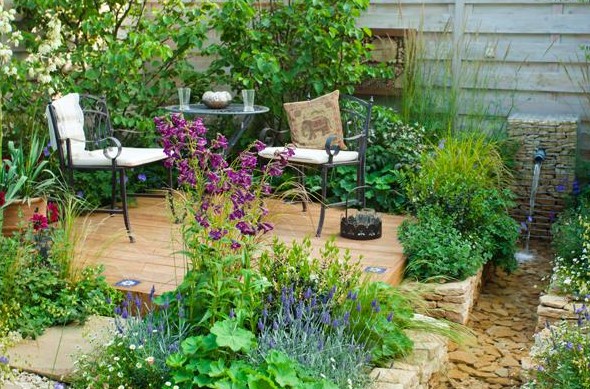
Outdoor Water-Saving Tips: Create a Beautiful Yard While Conserving Water

Source:https://www.sjwater.com

Water conservation is increasingly becoming a priority for homeowners, particularly in areas where water shortages or droughts are a concern. While maintaining a lush, green lawn and vibrant garden may seem like a water-intensive task, there are many effective ways to conserve water in your outdoor spaces without sacrificing beauty or functionality. By applying a few simple outdoor water-saving tips, you can create a stunning yard while using less water, helping both the environment and your water bill. In this article, we’ll explore a range of strategies to reduce water consumption in your outdoor areas, including smart irrigation practices, plant choices, and maintenance techniques.

The Importance of Water Conservation in the Garden

Water is a precious resource, and with increasing pressure on global water supplies, it is essential that we use it wisely. Lawns, gardens, and other outdoor spaces are often significant consumers of water, especially during the hot summer months. However, reducing water usage doesn’t mean you need to sacrifice the aesthetic appeal of your yard. With the right techniques, you can create a beautiful, healthy outdoor space that thrives without wasting water.

One of the primary areas where homeowners can make an impact is through the efficient use of irrigation. By following outdoor water-saving tips, such as adjusting watering schedules, using water-efficient systems, and choosing the right plants for your climate, you can create a vibrant garden that minimizes water waste and conserves valuable resources.

Outdoor Water-Saving Tips for a Thriving Yard

Whether you’re looking to update your landscaping, reduce your water bill, or help the environment, these outdoor water-saving tips will guide you in creating an eco-friendly garden that’s both beautiful and functional.

1. Choose Water-Efficient Plants

One of the best ways to conserve water in your garden is by selecting plants that are native to your area or drought-tolerant species. Native plants are well-adapted to local climates and require significantly less water, fertilizer, and maintenance than non-native varieties. Drought-resistant plants, such as succulents, lavender, or ornamental grasses, are designed to withstand dry conditions and can thrive with minimal water.

In addition to selecting the right plants, consider grouping them according to their water needs. By planting species with similar water requirements together, you can optimize watering and ensure that each plant receives the appropriate amount of moisture without over-watering some while under-watering others.

2. Install Drip Irrigation Systems

Traditional sprinkler systems often waste water by spraying large areas, including walkways, driveways, and sidewalks. Drip irrigation systems, on the other hand, target the roots of plants directly, delivering water precisely where it’s needed. These systems use less water and can be more efficient than traditional sprinklers, reducing evaporation and runoff.

Drip irrigation is ideal for flower beds, vegetable gardens, shrubs, and trees, as it allows water to soak directly into the soil. Additionally, some modern drip irrigation systems include timers, which can be programmed to water your garden during the cooler parts of the day, further reducing water loss due to evaporation.

3. Water Your Garden at the Right Time

The timing of your watering can significantly impact water efficiency. Watering in the early morning or late evening, when temperatures are cooler, allows the water to soak into the soil before the sun evaporates it. Avoid watering during the middle of the day, when the heat of the sun can cause most of the water to evaporate before it reaches the plant roots.

Additionally, pay attention to weather conditions. During rainy periods, you can skip watering altogether. Many irrigation systems have rain sensors that automatically turn off the sprinklers when it’s raining, ensuring that water is only used when it’s needed.

4. Use Mulch to Retain Moisture

Mulch is an excellent way to conserve water in your garden. By covering the soil around your plants with a layer of organic mulch, such as wood chips, straw, or compost, you help retain moisture and reduce the need for frequent watering. Mulch acts as an insulating layer, preventing evaporation and keeping the soil cooler in hot weather. It also helps suppress weed growth, which can compete with your plants for water and nutrients.

As mulch decomposes, it also enriches the soil, providing valuable nutrients to your plants. Be sure to apply mulch to a depth of 2-3 inches to achieve the best results.

5. Optimize Your Lawn Care Routine

Lawns are one of the biggest water consumers in many homes, but there are several ways to reduce water usage without compromising the health of your grass. First, consider adjusting your lawn mowing habits. Keeping your lawn at a slightly taller height—around 3 inches—helps shade the roots and retain moisture in the soil. A longer lawn also promotes deeper root growth, which can make the grass more drought-resistant.

Additionally, water your lawn less frequently but more deeply. This encourages the roots to grow deeper into the soil, making the grass more drought-tolerant. Aim to water your lawn once or twice a week, depending on rainfall, rather than daily. A deep watering session that reaches the root zone is much more effective than light, frequent watering.

6. Consider Hardscape Elements

Incorporating hardscaping elements, such as patios, walkways, and stone features, can reduce the amount of land that requires regular watering. These features not only add visual appeal to your yard but can also serve as practical, low-maintenance alternatives to traditional plantings. Hardscaping reduces the need for grass or flower beds in areas that might otherwise require frequent watering.

Consider using permeable materials, such as gravel, pavers, or porous concrete, for pathways and patios. These materials allow water to flow through them and into the ground, promoting natural water absorption and reducing runoff.

7. Harvest Rainwater

Collecting rainwater is a simple and effective way to reduce your reliance on municipal water for irrigation. Install rain barrels or other collection systems to capture rainwater from your roof, which can then be used to water your garden, trees, or lawn. This water is free and natural, and using it helps conserve precious potable water for other household needs.

Rainwater harvesting systems are easy to set up, and there are many options available, from simple barrels to more elaborate systems that filter and store rainwater for long-term use. Be sure to place your rain barrels in a location where they can collect water easily, such as under downspouts or gutters.

By implementing outdoor water-saving tips, you can create a beautiful, thriving yard while doing your part to conserve water. From choosing drought-resistant plants to installing efficient irrigation systems and using mulch to retain moisture, there are countless ways to reduce water usage without sacrificing the beauty or functionality of your outdoor space. By making a few thoughtful adjustments to your gardening and landscaping habits, you can enjoy a lush, vibrant yard while contributing to water conservation efforts and reducing your environmental impact.

Energy-Efficient Water Pumps: Sustainable Solutions for Your Garden

Source:https://www.einhell.at

Watering your garden is a vital task for maintaining healthy plants and ensuring your garden thrives throughout the seasons. However, traditional water pumps, while effective, can be energy-hungry and expensive to run, particularly when used regularly. Fortunately, energy-efficient water pumps offer a sustainable solution to garden irrigation, providing the same functionality while using less electricity. By opting for energy-efficient models, garden enthusiasts can reduce their energy consumption, lower utility bills, and contribute to environmental sustainability, all while maintaining a lush, green garden. This article will explore the benefits, types, and considerations of using energy-efficient water pumps in your garden.

Benefits of Energy-Efficient Water Pumps for Your Garden

1. Reduced Energy Consumption

The most significant advantage of energy-efficient water pumps is their ability to drastically reduce energy consumption. Traditional pumps, especially older models, can consume a lot of power while in operation, significantly impacting your electricity bills. Energy-efficient pumps, on the other hand, are designed with advanced motor technologies that minimize power usage without sacrificing performance. These pumps can provide the necessary water flow for your garden while using much less energy, leading to long-term savings on your energy costs.

2. Environmental Sustainability

In an age where environmental concerns are at the forefront, reducing our carbon footprint is essential. By using energy-efficient water pumps, you are not only conserving electricity but also reducing your overall environmental impact. These pumps use less energy, which means they require fewer fossil fuels to generate power, leading to a reduction in greenhouse gas emissions. If you’re passionate about sustainability and want to take actionable steps to make your garden more eco-friendly, switching to energy-efficient pumps is an excellent choice.

3. Cost Savings

Although energy-efficient pumps may have a slightly higher initial cost compared to traditional models, the savings you’ll accumulate over time make them a worthwhile investment. Reduced energy consumption leads directly to lower electricity bills, and many energy-efficient pumps also have longer lifespans, meaning you’ll save money on repairs and replacements. In addition, many models require less maintenance, which further reduces the cost of ownership. In the long run, these pumps will provide better value and efficiency, ensuring your garden irrigation is both cost-effective and reliable.

Types of Energy-Efficient Water Pumps

When considering energy-efficient water pumps, it’s essential to understand the different types available and which one best suits your garden’s needs. The right pump for your garden depends on various factors such as the size of the garden, the type of irrigation system you use, and your water source.

1. Solar-Powered Water Pumps

Solar-powered water pumps are among the most sustainable options available today. These pumps harness energy from the sun, converting it into electricity to power the pump. Solar-powered pumps are particularly ideal for gardens that are located in areas with ample sunlight. They require minimal maintenance and operate quietly, making them an excellent option for eco-conscious gardeners.

These pumps are well-suited for watering systems that require a constant or intermittent water flow, such as drip irrigation or sprinklers. Since they don’t rely on grid electricity, they are perfect for reducing both energy consumption and your environmental footprint. The only downside is that they may not be as effective in cloudy or shaded areas, but with the right solar panel setup, they can work efficiently year-round.

2. Submersible Water Pumps

Submersible pumps are designed to work underwater, making them ideal for drawing water from wells, ponds, or rainwater collection systems. Modern submersible energy-efficient pumps use advanced motors and materials to ensure high performance with minimal energy usage. These pumps are submerged in the water they pump, which helps with cooling, making them more durable and reducing energy loss.

Submersible pumps are highly efficient and versatile, making them suitable for various applications such as garden irrigation, pond aeration, and draining water from basements or cisterns. They can be used with a range of irrigation systems, from soaker hoses to sprinkler systems, providing reliable water flow without consuming excessive energy.

3. Centrifugal Pumps

Centrifugal pumps are ideal for transferring water over long distances, making them suitable for large gardens or farms. These pumps work by using centrifugal force to move water through the system, and newer models are designed with energy-efficient motors that reduce the power consumption compared to older models. When choosing a centrifugal pump for your garden, make sure to select one with an energy-efficient motor and an appropriately sized pump for the size of your garden or irrigation area.

Centrifugal pumps are a great option if you have a large garden with multiple watering zones or if you need to move water from a distant source, such as a pond or well. They are reliable and can handle high-pressure systems, but it’s essential to ensure the pump is correctly sized for optimal energy efficiency.

4. Pressure Boosting Pumps

For gardens that rely on an existing water supply with low water pressure, pressure-boosting pumps can be an effective way to maintain consistent irrigation. Energy-efficient pressure-boosting pumps use variable speed technology to adjust the water flow based on the system’s needs, optimizing energy consumption. These pumps help improve water pressure while keeping energy usage to a minimum.

If you have a drip irrigation system or sprinklers that rely on constant pressure, a pressure-boosting pump can ensure that the water flow remains steady without unnecessarily consuming power. These pumps are particularly helpful in areas where water pressure is inconsistent or low, ensuring that your garden gets the water it needs while minimizing electricity use.

Factors to Consider When Choosing an Energy-Efficient Water Pump

While energy-efficient water pumps can save you money and reduce your environmental impact, choosing the right pump for your specific needs is crucial. Here are some factors to consider when making your decision:

1. Water Source

The type of water source you use for irrigation—whether it’s a well, pond, or municipal supply—will impact the type of pump you need. For example, submersible pumps are ideal for wells or ponds, while centrifugal pumps are better suited for moving water over long distances or high-pressure systems.

2. Pump Size and Flow Rate

The size and flow rate of the pump must match the size of your garden and the specific irrigation system you’re using. A pump that is too small may not provide sufficient water pressure, while one that is too large can waste energy. Be sure to calculate your garden’s irrigation needs and choose a pump with the right capacity.

3. Pump Efficiency

Look for pumps that are designed with energy efficiency in mind. Many manufacturers now offer pumps that have energy-efficient motors, adjustable flow rates, and optimized designs to minimize energy consumption. These features can help you get the best performance for the least amount of power.

4. Durability and Maintenance

Choose a pump that is built to last and requires minimal maintenance. Pumps made from high-quality materials such as stainless steel or corrosion-resistant alloys will last longer and require fewer repairs. Consider how easy it is to clean and maintain the pump, as well as the availability of replacement parts.

In conclusion, energy-efficient water pumps provide an excellent way to maintain a sustainable and eco-friendly garden. Whether you choose a solar-powered pump, a submersible model, or a centrifugal pump, these systems allow you to reduce your energy consumption while ensuring that your garden receives the water it needs to thrive. By selecting the right pump for your garden’s size, water source, and irrigation system, you can enjoy the benefits of a lush, healthy garden while minimizing your environmental impact. Investing in an energy-efficient water pump is not only a cost-effective decision but also a responsible choice for gardeners who want to promote sustainability and environmental stewardship.

Energy-Efficient Water Filters: Save Energy and Improve Water Quality

Source:https://www.aquasana.com

Access to clean, safe drinking water is essential for health and wellbeing, but the methods we use to purify water can sometimes be inefficient, both in terms of energy consumption and water quality. Traditional water filtration systems often require significant amounts of energy to operate, and this can lead to increased household utility bills and a larger environmental footprint. However, with the rise of energy-efficient water filters, homeowners now have the opportunity to improve both their water quality and energy consumption. These filters offer a sustainable solution by using less power while still providing the benefits of purified water, making them an eco-friendly and cost-effective choice for modern homes.

Understanding Energy-Efficient Water Filters

How Do Energy-Efficient Water Filters Work?

Energy-efficient water filters utilize advanced technologies that reduce power consumption without compromising on the effectiveness of the filtration process. Traditional water filters, particularly those that use reverse osmosis (RO) or UV light to purify water, tend to consume large amounts of electricity during operation. In contrast, energy-efficient water filters have been designed to minimize electricity use while maintaining the desired purification standards.

Many energy-efficient filters incorporate innovative features such as low-power pumps, gravity-based filtration, or solar-powered systems. These types of filtration processes rely on natural forces such as gravity or solar energy to drive the filtration process, reducing the need for external energy sources. For instance, gravity-based filters do not require electricity to function and are ideal for use in areas with limited power availability.

Moreover, some modern systems combine filtration methods, like activated carbon and UV light, in ways that allow the system to use less energy while still achieving optimal water quality. Energy-efficient water filters are also built with eco-friendly materials that are often recyclable, further reducing the environmental impact.

Benefits of Energy-Efficient Water Filters

  1. Reduced Energy Consumption:
    One of the main advantages of energy-efficient water filters is the reduced energy consumption. Since many traditional filters use electric pumps or ultraviolet (UV) lights that continuously draw power, the energy-efficient alternatives provide the same level of filtration while using much less electricity. This not only helps you save money on utility bills but also reduces your carbon footprint, contributing to a more sustainable lifestyle.
  2. Improved Water Quality:
    The effectiveness of water filtration is not compromised with energy-efficient systems. These filters still employ cutting-edge technologies like activated carbon, reverse osmosis, and UV sterilization to remove contaminants from water. The result is cleaner, safer drinking water, free from chlorine, heavy metals, bacteria, and other harmful pollutants. With these systems, you don’t have to sacrifice water quality for energy savings.
  3. Cost-Effective Long-Term:
    Although energy-efficient water filters may have a higher upfront cost, the long-term savings on energy bills often offset the initial investment. Moreover, because these systems use less electricity, they are often more durable and require fewer repairs or replacements, making them a wise financial choice in the long run. Additionally, energy-efficient systems typically require less maintenance, reducing the overall cost of ownership.

Types of Energy-Efficient Water Filters

1. Gravity-Based Filters:

Gravity-based water filters are some of the most energy-efficient systems available. These filters rely on gravity to pull water through a series of filtration layers, including activated carbon, ceramic, and other materials that effectively remove impurities. Gravity-based filters are ideal for areas without reliable electricity, and their low maintenance requirements make them a popular choice for households looking to minimize their energy usage. They are also portable, making them a great option for travel or emergencies.

2. Solar-Powered Water Filters:

Solar-powered water filters use solar energy to drive the filtration process. These systems are particularly useful in regions where electricity is unreliable or where access to power is limited. By harnessing the power of the sun, solar-powered filters purify water without consuming any electricity from the grid, offering a completely sustainable solution for homeowners who want to reduce their environmental impact. These filters are typically used in rural areas or off-grid locations where traditional filtration systems may be inefficient or unavailable.

3. Reverse Osmosis (RO) Systems with Energy Recovery:

While reverse osmosis systems are known for their high efficiency in removing contaminants, they are also notorious for their energy consumption. However, modern energy-efficient RO systems have integrated energy recovery features that help reduce the amount of electricity required. These systems recycle the energy from wastewater to power the filtration process, making them far more energy-efficient than traditional RO units. They are ideal for households that need high-performance filtration but also want to limit their energy use.

4. Activated Carbon Filters:

Activated carbon filters are one of the most popular and energy-efficient ways to purify drinking water. These filters work by adsorbing chemicals, chlorine, and other contaminants onto the surface of the carbon particles, effectively removing harmful substances from the water. Activated carbon filters are typically low-maintenance, easy to install, and do not require electricity to operate. As a result, they are an excellent choice for those who want a simple yet effective way to improve water quality without consuming extra energy.

Factors to Consider When Choosing an Energy-Efficient Water Filter

1. Water Contaminants:

Before selecting an energy-efficient water filter, it’s crucial to consider the type of contaminants in your water supply. For instance, if you are dealing with high levels of heavy metals or microorganisms, a more advanced filtration system, such as reverse osmosis or UV purification, may be necessary. If your primary concern is chlorine or sediment, a simple activated carbon filter may suffice.

2. Water Flow Rate:

The flow rate of a water filter refers to the amount of water that can be filtered per minute. Some energy-efficient systems may have slower flow rates than traditional systems due to their reliance on gravity or solar power. It’s important to choose a system that suits the needs of your household, balancing both energy efficiency and sufficient water flow.

3. Filter Maintenance:

Energy-efficient water filters generally require less maintenance than traditional filters, but it’s still important to follow the manufacturer’s guidelines for cleaning and replacing filter cartridges. Regular maintenance ensures optimal performance and extends the lifespan of the filter, allowing you to continue enjoying clean water without unnecessary energy consumption.

In conclusion, energy-efficient water filters represent an innovative solution to improving both water quality and energy consumption in modern households. By selecting an energy-efficient water filter, you not only contribute to a more sustainable lifestyle but also ensure that your water is free from harmful contaminants. From gravity-based filters to solar-powered systems, the variety of energy-efficient options available ensures that every home can find a solution that suits its needs. So, if you’re looking to save energy and improve your water quality, investing in an energy-efficient water filter is a smart and responsible choice for a greener future.

Solar Attic Fans: Keep Your Attic Cool and Dry with Solar Power

Source:https://solarlivingsavvy.com

Attics are often one of the most overlooked areas in a home, but their impact on the overall comfort and energy efficiency of a house can be significant. Many homeowners are now turning to solar attic fans to help regulate the temperature and moisture levels in their attics. These innovative devices not only help in maintaining a comfortable indoor environment, but they also reduce energy costs, improve the lifespan of roofing materials, and promote sustainability. In this article, we’ll explore how solar attic fans work, their benefits, and why they’re becoming an essential component of modern home energy solutions.

The Role of Attics in Home Efficiency

Attics, by design, are spaces that often trap heat and humidity, which can lead to a host of problems. Excessive heat buildup can make your home uncomfortable, increase cooling costs, and cause long-term damage to insulation and roofing materials. Similarly, trapped moisture can result in mold growth, wood rot, and reduced air quality in the home.

While traditional attic ventilation methods, such as vents and fans, have been around for years, the use of solar power is transforming the way these systems work. Solar attic fans harness the sun’s energy to provide a continuous flow of ventilation, ensuring that your attic stays cool and dry without adding any extra load to your electricity bill.

1. The Science Behind Solar Attic Fans

Solar attic fans work by using photovoltaic (PV) panels to convert sunlight into electricity. This electricity powers a fan that draws hot air and moisture out of the attic, improving ventilation. By allowing hot air to escape and fresh air to enter, solar attic fans can effectively lower the overall temperature in your attic, particularly during the hot summer months.

The fans are designed to operate automatically, typically turning on when the attic temperature reaches a certain threshold, and turning off once the attic cools down. This means they require no manual intervention and are self-regulating, making them an energy-efficient, low-maintenance solution for attic ventilation.

Because solar attic fans don’t rely on the electrical grid, they are an eco-friendly alternative to traditional electric-powered fans. They harness renewable energy from the sun, making them a sustainable and cost-effective solution for homeowners looking to reduce their carbon footprint.

Key Benefits of Solar Attic Fans

The advantages of installing solar attic fans are manifold. From cost savings to improved comfort, here are some of the top benefits of incorporating these devices into your home’s ventilation system:

1. Energy Efficiency and Cost Savings

The primary benefit of a solar attic fan is its energy efficiency. Traditional attic fans rely on electricity, which can increase your utility bills. On the other hand, solar attic fans are powered by the sun, meaning they operate at no cost to you. This can significantly reduce your energy consumption, particularly during the hot summer months when attics tend to overheat. Over time, the cost savings on your cooling bills can offset the initial cost of the fan installation.

By keeping your attic cooler, solar attic fans also reduce the load on your air conditioning system. This helps improve the overall energy efficiency of your home and can lower your overall energy bills. In fact, some homeowners have reported energy savings of up to 30% after installing a solar attic fan.

2. Temperature Regulation

Attics are naturally prone to heat buildup due to their location at the top of the house. In the summer, this heat can be unbearable, raising the temperature of your living spaces below. Solar attic fans help mitigate this by venting the hot air out of the attic, reducing the internal temperature. This not only makes your attic more comfortable to store items but also helps regulate the temperature in the rooms below.

Without proper ventilation, the hot air trapped in the attic can lead to higher indoor temperatures, causing your cooling system to work harder. By installing a solar attic fan, you can maintain a more stable temperature throughout your home, reducing the need for constant air conditioning and contributing to a more energy-efficient household.

3. Humidity and Moisture Control

In addition to temperature regulation, solar attic fans are highly effective at reducing humidity levels in the attic. Excess moisture can lead to mold growth, mildew, and wood rot, which can compromise the structural integrity of your roof and insulation. By providing constant airflow, these fans help to expel moist air and prevent the buildup of excess moisture.

Proper moisture control is especially crucial in areas with high humidity, as it helps maintain the health of your attic, protects your home’s structural components, and ensures the longevity of your roofing materials. In winter, moisture can also freeze and create problems with ice dams, which can lead to costly roof repairs. A solar attic fan helps to mitigate this risk by promoting consistent ventilation year-round.

4. Eco-Friendly and Sustainable

Solar attic fans are an eco-friendly solution because they use solar energy, a renewable resource, to power their operations. Unlike conventional attic fans that rely on electricity from the grid, solar attic fans do not contribute to your carbon footprint. By using solar power, you are reducing the amount of fossil fuel-based energy your home consumes, which makes a positive impact on the environment.

Furthermore, installing a solar attic fan can qualify you for tax credits or rebates in some regions, making it an even more appealing option for homeowners interested in sustainable home improvements.

How to Choose the Right Solar Attic Fan for Your Home

Not all solar attic fans are created equal, so it’s important to consider a few factors when selecting one for your home:

1. Size and Coverage Area

The size of the fan is one of the most critical factors to consider. A fan that is too small for your attic will not provide sufficient ventilation, while a fan that is too large may waste energy and not be cost-effective. The right size depends on the square footage of your attic and the climate in your area. Manufacturers usually provide guidelines on the coverage area for each model, so make sure to match your fan to your attic’s size.

2. Quality of the Solar Panel

The efficiency of the solar panel is crucial for the fan’s performance. Look for fans with high-quality, durable solar panels that can withstand different weather conditions. Solar panels with a higher wattage will generate more power, enabling the fan to work more efficiently, even on cloudy days.

3. Installation and Maintenance

While many solar attic fans are relatively easy to install, it’s important to check if professional installation is required. Some models may need to be mounted on the roof, while others may be installed in the gable or attic vents. If you are unsure, it’s always a good idea to consult a professional installer.

Another consideration is maintenance. Solar attic fans are designed to be low-maintenance, but you should still clean the solar panel periodically to ensure it operates at full capacity. Checking the fan’s performance before each summer season is also a good practice to ensure it’s working properly.

4. Durability and Warranty

Solar attic fans are exposed to the elements, so durability is essential. Look for models made of high-quality, weather-resistant materials. Many manufacturers offer warranties, ranging from 5 to 25 years, so be sure to choose a fan with a good warranty for peace of mind.

Solar attic fans provide an energy-efficient, eco-friendly, and cost-effective solution for managing the temperature and moisture levels in your attic. By using solar power, these fans reduce your reliance on traditional electricity, lower energy bills, and help maintain a healthier home environment. Not only do they improve ventilation, but they also protect your home from potential damage caused by excess heat and moisture. If you’re looking for an environmentally conscious and sustainable way to enhance your home’s efficiency, a solar attic fan is an excellent investment that will pay off in comfort, cost savings, and peace of mind.

Eco-Friendly Wall Paints for a Healthier Home

Source:https://images.squarespace-cdn.com

When it comes to home improvement, one of the most effective ways to refresh your living space is by applying a fresh coat of paint. However, as homeowners become more environmentally conscious, the impact of traditional paints on health and the environment is gaining attention. Eco-friendly wall paint has emerged as a safe, sustainable alternative, offering a healthier and greener way to decorate your home. In this article, we will explore the benefits of eco-friendly paints, the ingredients to look for (and avoid), and how you can incorporate them into your home for a more sustainable and healthy environment.

1. The Environmental and Health Benefits of Eco-Friendly Wall Paints

Eco-friendly paints are designed to minimize harm to both the environment and your health. Traditional paints often contain volatile organic compounds (VOCs), harmful chemicals that can negatively affect air quality and human health. These chemicals contribute to indoor air pollution and can cause respiratory issues, headaches, and even long-term health problems. Eco-friendly wall paint, on the other hand, is formulated with natural ingredients and low or no VOCs, making it a safer and healthier option for your home.

1.1. Non-Toxic Ingredients

One of the most significant advantages of eco-friendly wall paint is that it is made with non-toxic, natural, or plant-based ingredients. These paints are free from harmful substances such as lead, formaldehyde, and phthalates, which are commonly found in traditional paints. As a result, eco-friendly paints release fewer chemicals into the air, reducing the risk of indoor air pollution. This is particularly important for families with young children, pets, or individuals with respiratory issues or sensitivities.

In addition, many eco-friendly paints are free from synthetic fragrances, which can trigger allergies and asthma. Natural colorants derived from clay, minerals, and plant pigments are often used, ensuring that the colors you choose for your home won’t compromise your health.

1.2. Improved Indoor Air Quality

Since eco-friendly paints contain little to no VOCs, they significantly improve indoor air quality. VOCs can remain in the air long after the paint has dried, causing lingering odors and potential health hazards. Low-VOC and VOC-free paints, on the other hand, release fewer toxins into the air, making the indoor environment cleaner and safer.

This is especially important for those with respiratory issues, allergies, or sensitivities to chemicals. By opting for eco-friendly wall paints, you can create a home that is not only visually pleasing but also healthier for everyone who lives in it.

1.3. Reduced Environmental Impact

Eco-friendly wall paints also help reduce your carbon footprint. Many of these paints are produced using sustainable manufacturing processes, and the raw materials used in the paint are often sourced responsibly. In addition, some eco-friendly paints are biodegradable, meaning they break down naturally and pose less risk to the environment when disposed of.

Furthermore, some brands of eco-friendly paint even have recyclable packaging, further reducing waste and making them an environmentally conscious choice. By choosing eco-friendly wall paint, you are actively contributing to the reduction of environmental pollution and waste.

2. Key Ingredients to Look for (and Avoid) in Eco-Friendly Paint

When selecting eco-friendly wall paint, it’s important to understand the ingredients that make a paint environmentally friendly and safe for your home. Here are some key ingredients to look for and some harmful chemicals you should avoid:

2.1. Look for: Natural Oils and Resins

Many eco-friendly paints use natural oils and resins as their base, such as linseed oil or soy-based resins. These oils are biodegradable, non-toxic, and provide a smooth, durable finish. They are an excellent alternative to the petrochemical-based resins used in traditional paints, which can release harmful fumes into the air.

In addition, natural oils often provide a natural sheen that enhances the beauty of your walls. Look for paints with ingredients like tung oil or plant-based resins, which offer both sustainability and longevity.

2.2. Look for: Clay and Mineral Pigments

Traditional paints often rely on synthetic pigments, which can be derived from petrochemicals. Eco-friendly paints, however, tend to use natural pigments sourced from clay, minerals, and plant-based ingredients. These pigments are not only non-toxic but also create rich, vibrant colors that are gentle on the environment.

Mineral-based paints, such as those containing lime or chalk, are known for their durability and can be used to create a matte or textured finish, adding depth and character to your walls.

2.3. Avoid: Volatile Organic Compounds (VOCs)

VOCs are the primary culprits when it comes to toxic emissions from traditional paints. These chemicals evaporate into the air during and after application, causing air pollution and posing risks to human health. VOCs are linked to a range of health problems, including headaches, dizziness, nausea, and respiratory issues.

In eco-friendly paints, VOC levels are kept to a minimum or eliminated entirely. Be sure to check for labels that indicate the paint is low-VOC or VOC-free to ensure that you are choosing a product that supports a healthier indoor environment.

2.4. Avoid: Formaldehyde and Phthalates

Formaldehyde is a colorless, strong-smelling chemical commonly found in some paints and coatings. It is a known carcinogen and can cause eye irritation, headaches, and other respiratory problems. Phthalates, which are chemicals used to increase the flexibility of plastic, can also be found in some paints. They have been linked to hormonal disruptions and other health issues.

Look for eco-friendly paints that are certified to be free from these harmful chemicals. Reputable brands will often display this information on their labels, ensuring that their products meet strict health and safety standards.

3. How to Incorporate Eco-Friendly Paints Into Your Home

Making the switch to eco-friendly wall paint is a simple way to promote a healthier and more sustainable home. Here are some ideas on how to incorporate eco-friendly paints into different areas of your home:

3.1. Living Rooms and Bedrooms

For the living room and bedroom, you can create a calming, serene environment using soft, natural hues from eco-friendly paints. Colors such as light greens, beige, or soft blues can help promote relaxation and restful sleep. Whether you’re painting a single accent wall or an entire room, using eco-friendly paints ensures that you’re not compromising your health for aesthetics.

Consider using clay-based or mineral paints in these rooms for a matte, earthy finish that complements natural furniture and décor. These paints will add texture and depth to your space while maintaining an eco-conscious footprint.

3.2. Kitchens and Bathrooms

In the kitchen and bathroom, choosing eco-friendly paints with mildew-resistant properties is important. Eco-friendly paints designed for high-moisture areas are formulated to resist mold and mildew growth, which is particularly essential in damp environments like bathrooms and kitchens.

Look for paints that are water-based and free from harmful chemicals like ammonia and formaldehyde. These paints will provide a durable, long-lasting finish without sacrificing health and environmental benefits.

3.3. Children’s Rooms

When painting children’s rooms, it’s especially important to use non-toxic, eco-friendly paints. Kids are more sensitive to indoor air pollution and can be more susceptible to the harmful effects of VOCs and other chemicals. Eco-friendly paints are safe for children and pets, providing peace of mind for parents while ensuring a healthy living environment.

Opt for bright, playful colors in children’s rooms using paints made with plant-based pigments. These paints are safe, vibrant, and will help create a space that is both fun and healthy for your little ones.

In conclusion, eco-friendly wall paint is an excellent choice for homeowners who want to improve the look of their home without compromising their health or the environment. By selecting paints with natural, non-toxic ingredients and low or no VOCs, you can create a stylish and sustainable home that promotes better indoor air quality and reduces environmental impact. Whether you’re redecorating a single room or renovating your entire house, eco-friendly paints offer an affordable and responsible way to enhance your living space. Choose wisely, and your home will not only look beautiful but also be healthier for you, your family, and the planet.

Energy-Efficient Home Improvements to Save Money

Source:https://cdn-ikphgon.nitrocdn.com

Rising utility costs and growing environmental concerns have prompted homeowners to seek sustainable solutions that reduce energy consumption and lower monthly expenses. Among the most impactful strategies are energy-efficient home improvements, which not only decrease your carbon footprint but also lead to long-term financial savings. From simple upgrades like LED lighting to more complex investments like solar panels or HVAC enhancements, energy efficiency is no longer a luxury—it’s a smart, forward-thinking choice for modern living.

1. Understanding the Financial and Environmental Benefits

How Energy Efficiency Pays Off Over Time

When evaluating home improvement projects, energy efficiency offers one of the best returns on investment. While some upgrades may involve upfront costs, they typically result in substantial savings on electricity, gas, and water bills over time. Many energy-efficient solutions also qualify for government incentives, tax credits, or utility rebates, which can offset initial installation expenses.

For example, upgrading insulation or sealing leaks in a home can reduce heating and cooling costs by up to 20%. Similarly, replacing outdated appliances with ENERGY STAR® models can save hundreds of dollars annually while enhancing performance and reliability.

Beyond the financial rewards, energy-efficient improvements contribute to a healthier environment. By reducing reliance on fossil fuels, homeowners can significantly cut greenhouse gas emissions and help mitigate the effects of climate change. For those looking to boost home value, studies show that energy-efficient homes tend to sell faster and at higher prices.

2. Top Energy-Efficient Upgrades for Your Home

Smart Choices for Long-Term Savings and Comfort

Whether you live in an older property or a newer home, there are a variety of energy-saving improvements to consider. These upgrades range from low-cost DIY projects to full-scale renovations, depending on your goals and budget.

1. Insulation and Air Sealing
One of the most effective ways to improve energy efficiency is by enhancing your home’s thermal envelope. This includes upgrading insulation in attics, walls, basements, and crawlspaces, as well as sealing gaps around doors, windows, and ducts. Proper insulation keeps your home warmer in winter and cooler in summer, reducing the workload on your HVAC system.

2. Energy-Efficient Windows and Doors
Replacing single-pane or drafty windows with double- or triple-pane models can significantly cut heat loss. Look for windows with low-E (low emissivity) coatings, argon gas fills, and insulated frames for maximum efficiency. Similarly, installing energy-rated exterior doors can prevent drafts and heat transfer.

3. Heating and Cooling Systems
Heating and cooling account for nearly half of a typical household’s energy use. Upgrading to a high-efficiency furnace, boiler, or air conditioner can drastically reduce energy consumption. In warmer climates, consider installing a programmable or smart thermostat to optimize temperature settings and avoid unnecessary usage.

4. LED Lighting and Smart Controls
Switching to LED lighting throughout your home is a simple, cost-effective improvement. LEDs consume up to 75% less energy than incandescent bulbs and last significantly longer. Incorporating dimmers, timers, and motion sensors can further enhance energy savings.

5. Solar Energy Systems
Installing solar panels is a larger investment, but it can yield significant long-term benefits. Depending on your location and system size, solar panels can eliminate or greatly reduce your electricity bill. Many utility companies offer net metering, which allows you to earn credits for surplus power generated and fed back into the grid.

6. Water-Saving Fixtures
Energy efficiency also extends to water use. Installing low-flow showerheads, faucets, and toilets can cut water consumption by 20–30%, reducing the energy needed for heating water. Tankless water heaters, which heat water on demand, are also more efficient than traditional storage models.

3. Planning and Prioritizing Your Home Efficiency Projects

A Step-by-Step Approach to Smarter Living

Before diving into upgrades, it’s wise to conduct an energy audit. This professional assessment evaluates your home’s energy use, identifies problem areas, and recommends improvements based on your specific situation. Some utility companies offer audits for free or at a reduced cost.

Once you have an audit or a general understanding of your home’s inefficiencies, prioritize projects based on their impact and affordability. Low-cost improvements like weatherstripping or replacing bulbs are good starting points, while larger investments like HVAC systems or solar panels may be planned over time.

It’s also important to factor in lifestyle and regional considerations. For instance, insulation and furnace efficiency may be more critical in colder climates, while solar panels and air conditioning upgrades are key in warmer regions.

When hiring contractors or selecting products, always look for certifications like ENERGY STAR®, the Home Energy Score (HES), or LEED (Leadership in Energy and Environmental Design) to ensure you’re getting proven performance and quality.

Incorporating energy-efficient home improvements into your living space is one of the most practical and impactful decisions you can make as a homeowner. These upgrades not only reduce monthly utility bills but also enhance comfort, increase property value, and contribute to a more sustainable future. Whether you’re taking small steps like switching to LED lighting or planning major investments such as solar panels, each improvement brings you closer to a smarter, more energy-conscious lifestyle.

Eco-Friendly Paints for a Greener Home

Source:https://gentwenty.com

In recent years, eco-conscious homeowners have increasingly turned to eco-friendly paints as part of their efforts to create sustainable, healthy living spaces. Unlike conventional paints that contain harmful chemicals and toxins, eco-friendly paints are formulated to be safer for both the environment and human health. These paints offer a viable solution for anyone looking to reduce their carbon footprint and create a more natural atmosphere at home. As awareness of the environmental and health impacts of traditional paints grows, eco-friendly paints have become a preferred choice for many. Whether renovating a room, redecorating a home, or simply updating the look of a space, these paints provide a sustainable and safe alternative without compromising on quality or style.

The Composition and Benefits of Eco-Friendly Paints

At the heart of eco-friendly paints lies their environmentally safe composition. Unlike traditional paints, which contain harmful volatile organic compounds (VOCs) and other toxic substances, eco-friendly paints use natural, non-toxic ingredients to create a healthier alternative. VOCs are chemicals that can evaporate into the air and contribute to indoor air pollution, which is linked to various health issues, including respiratory problems, allergies, and headaches. Many eco-friendly paints are formulated to be low in VOCs or completely VOC-free, making them a healthier option for both the environment and the people who live in the painted spaces.

1. Natural and Sustainable Ingredients

Eco-friendly paints are typically made from natural ingredients such as plant-based oils, resins, and minerals, making them more sustainable compared to synthetic counterparts. For example, some eco-friendly paints are derived from soy, linseed oil, and clay, which are renewable resources and biodegrade more easily than petroleum-based products. In addition to using natural raw materials, eco-friendly paint manufacturers also ensure that the production process is energy-efficient and minimally impacts the environment.

Another key component of eco-friendly paints is their water-based formulation, which replaces harmful solvents found in oil-based paints. This water-based formula reduces the release of toxic fumes and ensures that the paint dries faster and is easier to clean up.

2. Improved Indoor Air Quality

One of the primary reasons for choosing eco-friendly paints is their positive impact on indoor air quality. Traditional paints release VOCs and other chemicals that can linger in the air long after application, causing potential health issues. In contrast, eco-friendly paints emit fewer harmful substances, resulting in cleaner air and a healthier living environment. This is particularly important for households with children, elderly family members, or individuals with allergies or asthma, who may be more sensitive to indoor pollutants.

The reduction of VOCs in eco-friendly paints also contributes to a more pleasant and breathable atmosphere, especially in spaces that are freshly painted. The odors commonly associated with traditional paints can be overpowering and disruptive, but eco-friendly paints are designed to have little to no smell, allowing residents to return to their homes sooner and without discomfort.

Types of Eco-Friendly Paints

There is a wide variety of eco-friendly paint options available, each designed to meet specific needs and preferences. Depending on the surface being painted, the desired finish, and the environmental goals, homeowners can choose from several types of eco-friendly paints.

1. Natural Paints

Natural paints are made from organic, plant-based ingredients and do not contain any synthetic chemicals or preservatives. These paints often use materials such as clay, chalk, lime, and natural pigments to achieve color and texture. Natural paints are biodegradable and free from synthetic fragrances or other additives that might cause allergies or sensitivities. While they are more commonly used for interior applications, they are a popular choice for individuals seeking the most natural option available.

2. Milk Paint

Milk paint is one of the oldest forms of eco-friendly paint. Made from casein (a protein found in milk), lime, and natural pigments, milk paint has been used for centuries and remains a sustainable option today. It is non-toxic, odor-free, and ideal for creating a matte, vintage finish on wood, furniture, and even walls. The milk-based formula is naturally antimicrobial, making it an excellent choice for kitchens and bathrooms.

3. Water-Based Paints

Water-based paints are a more common option in the eco-friendly category. These paints typically have lower VOCs and are easier to clean compared to their oil-based counterparts. Water-based paints are available in a wide range of finishes, including matte, eggshell, satin, and gloss. They provide the same durability and coverage as traditional paints but with a much smaller environmental footprint. Many reputable brands now offer water-based options that are free from harmful chemicals like formaldehyde, phthalates, and heavy metals.

4. Zero-VOC and Low-VOC Paints

Zero-VOC and low-VOC paints have become increasingly popular due to their minimal environmental impact and improved indoor air quality. While many paints on the market contain VOCs, these types of eco-friendly paints are formulated to contain little to no VOCs. Zero-VOC paints are often free of harmful substances such as formaldehyde, making them ideal for sensitive individuals. Low-VOC paints have a reduced amount of VOCs and are also suitable for most home improvement projects.

The Cost-Effectiveness of Eco-Friendly Paints

While eco-friendly paints have traditionally been perceived as more expensive than conventional paints, their cost-effectiveness has improved significantly in recent years. Initially, the premium price of natural and low-VOC paints could deter some buyers, but as demand for these products has increased, prices have become more competitive with standard paints. Furthermore, the long-term savings provided by eco-friendly paints often outweigh the initial investment.

For example, because eco-friendly paints contain fewer harmful chemicals, they tend to last longer and are more resistant to fading, peeling, and cracking. This means that homeowners may not need to repaint their walls as frequently, saving both time and money. Additionally, the improved air quality in homes painted with eco-friendly paints can contribute to better overall health, potentially reducing medical costs over time.

In conclusion, eco-friendly paints are an excellent choice for anyone looking to create a greener, healthier, and more sustainable home. From their natural ingredients to their positive impact on indoor air quality, these paints offer numerous benefits for both the environment and the people living in the spaces they brighten. As the demand for sustainable products continues to rise, eco-friendly paints are evolving to offer a wide range of choices that combine performance, aesthetics, and environmental responsibility. By choosing eco-friendly paints for your next project, you are not only enhancing the beauty of your home but also contributing to a cleaner, more sustainable future.

Eco-Friendly Flooring Ideas for Every Room

Source : https://gwsmasonry.com

In today’s environmentally conscious world, making sustainable choices in home design is more important than ever. One area where eco-friendly alternatives are gaining popularity is flooring. Eco-friendly floorings offer a variety of benefits beyond sustainability, including durability, low maintenance, and improved indoor air quality. These flooring options are not only better for the planet but can also contribute to a healthier and more stylish living environment. In this article, we will explore some of the best eco-friendly flooring ideas for every room of your home, helping you make informed decisions that align with both your aesthetic preferences and environmental values.

What Makes Flooring Eco-Friendly?

Before we dive into specific flooring types, it’s important to understand what makes a flooring option eco-friendly. Eco-friendly floorings are those that are produced, sourced, and disposed of in ways that have minimal impact on the environment. This means they are made from renewable resources, use minimal chemicals or toxins, and are biodegradable or recyclable at the end of their life cycle. These materials are also designed to have a low environmental footprint during production, such as requiring less energy or water to manufacture.

Sustainable flooring options can vary in appearance, texture, and application. Whether you’re renovating a single room or updating your entire home, there are many eco-friendly choices to consider. Let’s explore some of the top options for different areas of your home.

Sustainable Flooring Options for Living and Dining Rooms

1. Bamboo Flooring

Bamboo is one of the most popular eco-friendly floorings available. It’s not only aesthetically versatile, but also an incredibly sustainable choice. Bamboo grows rapidly—some species can reach full maturity in as little as five years—making it a highly renewable resource. Additionally, bamboo requires minimal water, pesticides, and fertilizers to thrive, making it more environmentally friendly than many hardwood options.

Bamboo flooring is durable, easy to maintain, and available in a variety of finishes, from light natural tones to darker stains that mimic traditional hardwood. It’s perfect for living rooms and dining areas, offering a sleek, modern look with excellent resilience against wear and tear. However, it’s important to choose bamboo flooring that is certified by the Forest Stewardship Council (FSC) or a similar organization, ensuring that it’s sustainably harvested.

2. Cork Flooring

Cork is another excellent choice for eco-conscious homeowners. Harvested from the bark of cork oak trees, cork is a renewable resource that can be collected every 9-10 years without harming the tree. It’s also biodegradable and naturally resistant to mold, mildew, and pests, making it a healthy flooring choice for those concerned with indoor air quality.

Cork floors are soft and comfortable underfoot, making them ideal for living rooms and dining areas where you may spend a lot of time standing or sitting. The material’s natural insulating properties help reduce noise and temperature fluctuations, providing a more energy-efficient environment. Available in a variety of colors and patterns, cork can easily complement any home’s decor.

Eco-Friendly Flooring Ideas for Bedrooms

1. Reclaimed Wood Flooring

Reclaimed wood flooring is an ideal option for those looking for an environmentally responsible way to bring warmth and character into their bedrooms. This material is sourced from old barns, warehouses, and other structures that are being torn down or renovated. Rather than going to waste, the wood is given a second life as flooring.

Reclaimed wood provides a unique look with its weathered textures and rich history. It’s durable, timeless, and full of charm. In addition to being sustainable, reclaimed wood often has a lower environmental impact than new hardwood since it doesn’t require cutting down trees. It’s perfect for those who want to bring a rustic or vintage touch to their bedroom while minimizing their environmental impact.

2. Linoleum Flooring

Linoleum is another sustainable flooring option that’s often confused with vinyl but is much more eco-friendly. Made from renewable materials such as linseed oil, cork dust, wood flour, and jute, linoleum is biodegradable, non-toxic, and has a lower environmental footprint during production. Unlike vinyl, which is made from petroleum-based products, linoleum is a natural material with a long lifespan.

Linoleum flooring is available in a variety of colors and patterns, making it easy to find the perfect fit for any bedroom style. It’s durable, easy to clean, and naturally antimicrobial, making it an excellent choice for maintaining a healthy living environment. In addition, linoleum is non-allergenic and doesn’t release harmful VOCs, making it a safe choice for indoor air quality.

Eco-Friendly Flooring Solutions for Bathrooms and Kitchens

1. Recycled Glass Tile Flooring

Recycled glass tiles are a stunning and sustainable flooring option for both bathrooms and kitchens. These tiles are made from post-consumer glass, which is crushed and melted to form new tiles. This process helps reduce the need for new raw materials and diverts waste from landfills.

Recycled glass tiles are available in a wide variety of colors and patterns, making them a versatile option for both contemporary and traditional bathrooms and kitchens. In addition to being eco-friendly, these tiles are durable, easy to clean, and resistant to water damage—an essential feature for spaces that are exposed to high moisture levels.

2. Natural Stone Flooring

Natural stone flooring, such as slate, granite, or limestone, can also be an eco-friendly choice when sourced responsibly. These materials are durable, long-lasting, and often require little maintenance. Additionally, many natural stones are quarried in a way that minimizes environmental impact, such as using sustainable extraction methods and reducing waste during production.

Natural stone is ideal for high-traffic areas like kitchens and bathrooms because of its resilience to wear, heat, and moisture. While it may require periodic sealing, natural stone floors are a timeless choice that adds sophistication and value to your home.

Best Practices for Choosing Eco-Friendly Flooring

When selecting eco-friendly floorings for your home, it’s important to keep the following best practices in mind to ensure you are making the most sustainable choices:

1. Look for Certifications

Always choose flooring materials that come with certifications from reputable organizations such as the Forest Stewardship Council (FSC) or Cradle to Cradle. These certifications indicate that the materials have been sustainably sourced, processed, and manufactured.

2. Consider Durability

While eco-friendly materials may initially cost more than traditional options, their durability and longevity often make them a better investment in the long run. Choose flooring options that are built to last and can withstand wear and tear over time, reducing the need for frequent replacements.

3. Opt for Low-VOC Materials

Volatile organic compounds (VOCs) are chemicals that are released into the air as gases and can be harmful to both human health and the environment. Look for flooring options that are low in VOCs, such as natural materials or those that are certified as non-toxic, to improve the air quality in your home.

4. Local Sourcing

To reduce the carbon footprint of transportation, consider sourcing your flooring materials locally. Local materials can have a significantly smaller environmental impact, and choosing regional suppliers supports local businesses.

When updating your home’s floors, opting for eco-friendly floorings is a great way to contribute to a more sustainable environment while enhancing the beauty and functionality of your living space. Whether you choose bamboo, cork, reclaimed wood, linoleum, or recycled glass, there are numerous options available to fit your style and needs. By selecting environmentally responsible materials, you can create a healthier home, reduce waste, and minimize your ecological footprint. With so many sustainable flooring choices available, there’s no reason not to make the switch to eco-friendly floorings in every room of your home.

Recycled Construction Materials for Sustainable Builds

Source : https://ugreen.io

As the world continues to face pressing environmental challenges, the construction industry is increasingly turning toward more sustainable practices. One of the most effective ways to reduce the environmental footprint of construction projects is through the use of recycled construction materials. These materials, which are sourced from post-consumer and post-industrial waste, offer an eco-friendly alternative to traditional building supplies. By incorporating recycled materials, builders can reduce waste, conserve natural resources, and contribute to a more sustainable future. In this article, we will explore the benefits, types, and best practices for using recycled construction materials in your next build.

The Importance of Sustainable Building Practices

The construction industry is one of the largest consumers of raw materials and one of the biggest contributors to environmental degradation. From the extraction of natural resources to the production of concrete, steel, and timber, traditional construction practices have a significant environmental impact. The process of manufacturing and transporting building materials also leads to high energy consumption and greenhouse gas emissions.

By utilizing recycled construction materials, builders can help mitigate some of these negative effects. Recycling construction materials not only reduces the demand for virgin resources but also decreases the amount of waste that ends up in landfills. Additionally, many recycled materials are often more energy-efficient to produce, further contributing to sustainability.

Incorporating recycled materials into building projects is not just an environmentally responsible choice but also a financially advantageous one. Recycled materials can be more affordable than traditional options, making them an appealing choice for cost-conscious builders and homeowners. Furthermore, as awareness of sustainable building practices grows, there is increasing demand for eco-friendly homes and buildings, which can result in higher property values.

Types of Recycled Construction Materials

There are various types of recycled construction materials that can be used in different parts of a building, from structural elements to finishes. Here are some of the most commonly used recycled materials in construction:

1. Recycled Steel

Steel is one of the most commonly recycled construction materials. In fact, steel is 100% recyclable, and using recycled steel in construction projects can reduce energy consumption by up to 75% compared to using virgin steel. Recycled steel is primarily sourced from old buildings, cars, appliances, and other scrap metal.

Steel is used in a variety of construction applications, including structural beams, reinforcements, roofing, and cladding. It is a highly durable material that retains its strength and integrity even when recycled multiple times. By using recycled steel, builders can significantly reduce the carbon footprint of a project while still ensuring the structural integrity and safety of the building.

2. Recycled Concrete

Recycled concrete, often referred to as crushed concrete, is made from demolished concrete structures. The concrete is crushed and processed into smaller pieces that can be used as aggregate in new concrete mixtures. This process reduces the need for natural gravel and sand, which are typically used in the production of new concrete.

Recycled concrete is ideal for use in a variety of applications, including road base construction, pavements, and landscaping projects. It can also be used as backfill for foundations or to create durable sub-bases for new concrete surfaces. Using recycled concrete not only diverts waste from landfills but also helps reduce the environmental impact associated with the extraction and processing of virgin materials.

3. Recycled Wood

Wood is a renewable resource, but deforestation and inefficient harvesting practices can lead to environmental degradation. By using recycled construction materials such as reclaimed wood, builders can help preserve forests and reduce waste. Recycled wood is sourced from old buildings, furniture, and other wooden items that are no longer in use.

Recycled wood can be used in a variety of ways, from flooring and paneling to beams and cabinetry. It offers a rustic charm and character that new wood simply cannot replicate. Reclaimed wood is often stronger and more durable than new wood because it has already undergone a natural aging process. Additionally, using recycled wood helps reduce the need for logging and minimizes the environmental impact associated with cutting down trees.

4. Recycled Glass

Recycled glass is another eco-friendly material that can be used in construction. Glass is 100% recyclable, and when recycled, it requires significantly less energy to produce than new glass. Recycled glass can be used in a variety of applications, including countertops, tiles, and windows. It can also be incorporated into decorative elements such as mosaics and backsplashes.

Recycled glass offers a unique, visually striking appearance that can add a touch of luxury to a space. It is available in a wide range of colors and finishes, making it a versatile option for both modern and traditional designs. Additionally, glass is non-porous, making it easy to maintain and clean, which adds to its appeal as a sustainable building material.

5. Recycled Plastic

Recycled plastic is an increasingly popular material in the construction industry, particularly for building insulation, pipes, and roofing. Plastic is one of the most widely used materials in the world, and its environmental impact is significant due to its slow decomposition rate. By recycling plastic, builders can reduce the amount of plastic waste that ends up in landfills and oceans.

Recycled plastic is used in a variety of products, including composite decking, insulation boards, and plumbing pipes. These products are durable, weather-resistant, and energy-efficient, making them ideal for both residential and commercial construction projects. The use of recycled plastic also helps reduce the demand for new plastic production, which is a major contributor to pollution and resource depletion.

Best Practices for Using Recycled Construction Materials

While incorporating recycled construction materials into a building project offers numerous environmental and economic benefits, it is important to follow best practices to ensure the materials are used effectively and sustainably. Here are some key considerations for using recycled materials in construction:

1. Quality Control

One of the main challenges of using recycled materials is ensuring their quality and consistency. Recycled materials can vary in terms of strength, durability, and appearance, so it is important to work with reliable suppliers who can provide high-quality materials that meet the necessary standards for safety and performance.

Before using recycled materials, it is essential to conduct thorough inspections and testing to ensure that they are suitable for the intended application. For example, recycled concrete may require additional processing to ensure that it is free of contaminants, while recycled wood may need to be treated to ensure it is structurally sound.

2. Design Flexibility

Designing with recycled materials requires flexibility and creativity. Since recycled materials may not always come in standard sizes or shapes, builders need to be adaptable and open to using non-traditional materials. Working closely with architects and designers can help ensure that the materials are incorporated into the design in a way that maximizes their aesthetic and functional potential.

3. Local Sourcing

To further reduce the environmental impact of construction, it is beneficial to source recycled materials locally. This helps reduce transportation costs and emissions while supporting local economies. By working with local suppliers, builders can access a wider variety of recycled materials that are tailored to the specific needs of the project.

Conclusion

Incorporating recycled construction materials into building projects is a powerful way to promote sustainability, reduce waste, and conserve natural resources. From recycled steel and concrete to reclaimed wood and plastic, there are many eco-friendly materials available to create high-performance, environmentally responsible buildings. By following best practices for sourcing and using recycled materials, builders can ensure that their projects are not only cost-effective and innovative but also contribute to a more sustainable future for the construction industry and the planet as a whole.