I remember walking into a home office conversion project a few years back where the homeowner was constantly complaining of midday brain fog, dry eyes, and unexplained fatigue. He blamed his busy schedule, but as soon as I pulled off the intake grille of his HVAC return vent, the real culprit became instantly obvious. The ducting was caked in fine drywall dust from a previous remodel, pet dander, and microscopic soot that had been continuously re-circulating across his workspace for months.
Over my ten-plus years in residential contracting and indoor environmental remediation, I’ve seen this exact situation play out time and again. We invest thousands of dollars in ergonomic chairs, standing desks, and premium lighting to boost comfort and productivity, yet we completely ignore the invisible medium we breathe every single second: the air.
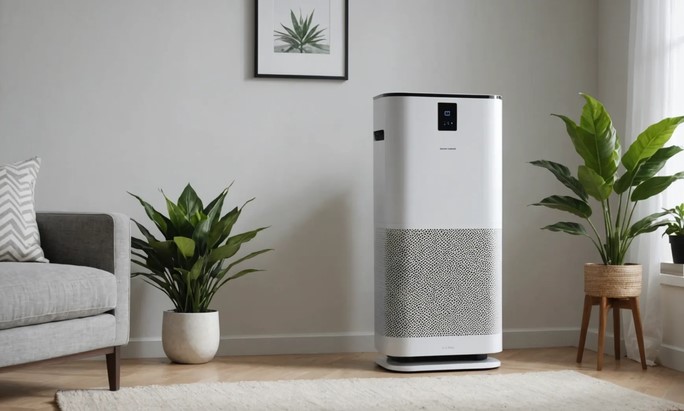
Integrating a high-performance air purifier into your living or working environment isn’t a luxury gadget purchase; it is a foundational upgrade in indoor environmental quality. By actively scrubbing microscopic particulates, volatile organic compounds (VOCs), and airborne pathogens from your personal breathing zone, a properly sized filtration unit restores vitality and protects long-term health. Let’s break down how this vital technology works, how to navigate complex filtration specs, and how to optimize your setup like an expert.
The Hidden Threat: Why Indoor Air Quality Demands Action
According to environmental health studies, indoor air can be two to five times—and occasionally up to 100 times—more polluted than outdoor air. Because modern homes are engineered to be tightly sealed for energy efficiency, toxic particles become trapped inside with nowhere to go.
Think of your room’s air supply like a public swimming pool. If you never run a filtration pump, body oils, dust, and debris accumulate until the water becomes murky and unlivable.
+-----------------------------------------------------------------------+
|                    THE INDOOR POLLUTION CYCLE                         |
|                                                                       |
|   [ Off-Gassing & Dust ] ---> [ Sealed Living Space ] ---> [ Trapped VOCs ]
|                                                                  |    |
|                                                          (Re-circulates)
|                                                                  v    |
|   [ Health Fatigue & Fog ] <---(Inhaled Daily)--- [ Particulate Build-up ]
+-----------------------------------------------------------------------+
When you breathe unfiltered indoor air, your lungs act as the primary filter. Fine particulate matter—specifically particles sized at PM2.5 or smaller—bypasses your body’s natural respiratory defenses, entering deep into your lung tissue and bloodstream, triggering systemic inflammation, fatigue, and allergic reactions.
Decoding Filtration Mechanics: HEPA, Carbon, and CADR
When shopping for an air purifier, marketing buzzwords can easily mislead you. To make an informed decision, you need to understand the core technical metrics that govern real-world performance.
+-----------------------------------------------------------------+
|                   FILTRATION MEDIA COMPARISON                   |
+----------------------+--------------------+---------------------+
| Filter Stage         | Target Pollutant   | Replacement Cycle   |
+----------------------+--------------------+---------------------+
| Pre-Filter Mesh      | Hair, Dust, Lint   | Washable (Monthly)  |
| True HEPA (H13/H14)  | PM2.5, Pollen, Mold| 6 – 12 Months       |
| Activated Carbon     | VOCs, Smells, Smoke| 3 – 6 Months        |
| PECO / Photocatalytic| Bacteria & Viruses | 6 – 12 Months       |
+----------------------+--------------------+---------------------+
1. True HEPA vs. “HEPA-Type”
-
True HEPA (High-Efficiency Particulate Air): Certified to capture at least 99.97% of airborne particles down to 0.3 microns in size. This includes mold spores, dust mites, pet dander, and fine smoke.
-
HEPA-Type / HEPA-Like: Uncertified marketing terms for low-grade filters that miss tiny, sub-micron particulates. Always insist on True HEPA (H13 or H14 rating).
2. Activated Carbon Media
While HEPA captures solid particles, it cannot stop gaseous pollutants like formaldehyde off-gassing from furniture, cooking odors, or aerosol sprays. An activated carbon filter uses highly porous carbon pellets to adsorb volatile organic compounds (VOCs) through chemical bonding.
3. Understanding CADR and ACH
-
CADR (Clean Air Delivery Rate): Indicates how fast the unit removes pollen, dust, and smoke from a room, measured in Cubic Feet per Minute (CFM).
-
ACH (Air Changes per Hour): Look for a unit that provides at least 4 to 5 ACH for your specific room square footage. This ensures the entire volume of room air passes through the filter every 12 to 15 minutes.
Placement Ergonomics: Where Should Your Air Purifier Live?
Buying a top-tier unit is only half the battle; placing it incorrectly will severely restrict its airflow physics and cleaning efficiency.
+-----------------------------------------------------------------+
|                      ROOM AIRFLOW DYNAMICS                      |
|                                                                 |
|   [ Wall / Corner Obstruction ]                                 |
|               |                                                 |
|               v (Restricts Air Intake)                          |
|   [ Air Purifier ] <==== (360° Free Airflow) ====> [ Breathing Zone ]
+-----------------------------------------------------------------+
1. Clear Intake Boundaries
-
Maintain Clearance: Keep at least 12 to 18 inches of open space around all intake grilles. Tucking a unit directly against a couch, behind a curtain, or tight into a corner starves the motor and creates dead zones in the room.
-
Elevate Small Units: If using a compact tabletop unit, place it at nightstand or desk height—closer to your actual breathing zone—rather than on the floor.
2. Strategic Airflow Alignment
Position your unit near known pollution sources—such as next to a home office desk, near a pet bed, or across from a doorway—to intercept incoming contaminants before they settle into soft fabrics and carpets.
Pro Tip: Keep windows and exterior doors closed while running your air purifier! Leaving a window cracked while operating a purifier is like running your vehicle’s air conditioner with the doors wide open—you will exhaust the motor while constantly filtering outdoor ambient air.
Maintenance Protocols and Hidden Traps
An unmaintained filter turns your clean air machine into an active source of secondary pollution. Over my years servicing home systems, I’ve pulled open purifiers that were actively blowing trapped mold spores back into the room because the owner forgot to change the media.
Filter Lifecycle Management
-
Vacuum the Pre-Filter: Most units feature an outer mesh pre-filter. Vacuum or wash this screen every 30 days to catch pet hair and heavy dust before it clogs the expensive HEPA layer beneath.
-
Respect Replacement Timelines: Replace True HEPA filters every 6 to 12 months, and carbon filters every 3 to 6 months depending on local air quality and usage patterns.
Hidden Danger Alert: Beware of cheap units with un-bypassable ionizers or ozone generators! While marketed as air fresheners, ozone is a harsh respiratory irritant that can trigger asthma attacks and damage lung tissue. Ensure any secondary ionization features are certified zero-ozone or can be permanently turned off.
Summary Checklist for Pure Indoor Air
Run through this quick environmental safety audit to get the most out of your home setup:
-
[ ] Unit utilizes a certified True HEPA (H13+) filter combined with a heavy pelletized activated carbon layer.
-
[ ] CADR rating is properly sized to deliver 4 to 5 Air Changes per Hour (ACH) for your room dimensions.
-
[ ] Fixture is placed in an unobstructed location with 12+ inches of surrounding clearance.
-
[ ] Ionizer / UV features are tested and certified zero-ozone (CARB certified).
-
[ ] Outer pre-filter mesh is cleaned monthly, and primary filter media is scheduled for timely replacement.
-
[ ] Windows and doors remain sealed during active purification cycles.
Investing in an air purifier is one of the most immediate, impactful steps you can take to upgrade your living environment and support daily well-being. By removing microscopic stress from your respiratory system, you create a space where you can focus clearly, rest deeply, and breathe effortlessly.
How is the air quality in your home or workspace right now? Are you currently running a dedicated filtration system, or dealing with stubborn dust and morning allergies? Drop a comment below with your setup or questions—I’d love to help you optimize your indoor air!