I still cringe thinking about a garage audit I did for a client a few years back. He was an avid golfer who had invested over $4,000 in custom graphite-shaft irons, a carbon-faced driver, and premium leather staff bags. Yet, when I opened his garage door, those pristine clubs were slumped in a damp corner, squeezed between a muddy lawnmower and a leaning stack of fertilizer bags. The moisture from the concrete floor was already pitting his steel shafts, and a stray bag of ice had leaked right into his favorite carry bag.
In my decade of residential design and garage organization, I’ve seen this scene play out time and again. Homeowners spend thousands on high-performance sports equipment, only to treat it like cheap yard tools once the weekend ends.
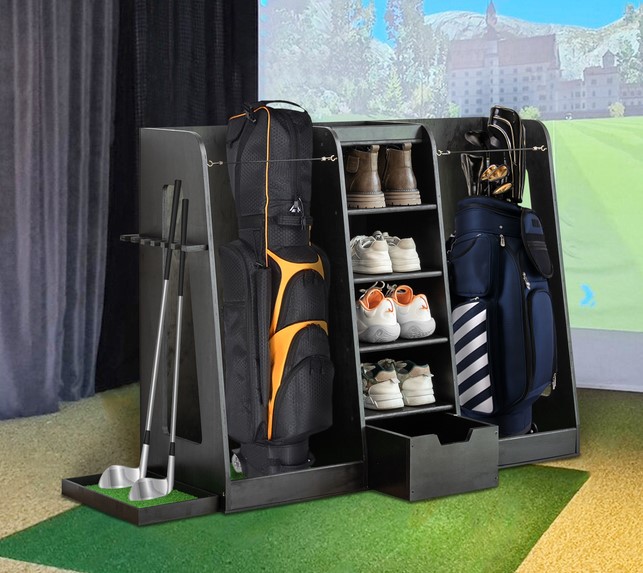
Integrating a dedicated golf bag organizer isn’t just a matter of neatness—it’s an essential protocol in recreational asset logistics. It protects delicate equipment from moisture and mechanical impact, streamlines your weekend departure routine, and transforms garage clutter into an organized home hub. Let’s break down how to properly manage your golf gear using systematic spatial organization.
The Hidden Cost of Chaos: Why Casual Golf Storage Ruins Your Gear
To understand why a golf bag organizer is a necessary investment, you need to understand how humidity, temperature, and static pressure damage your equipment over time.
Golf bags are heavy, highly structured pieces of luggage filled with delicate carbon-fiber composites, metal alloys, rubber grips, and soft leather. Leaving them resting on bare concrete or wedged haphazardly against garage walls introduces three silent enemies:
+-----------------------------------------------------------------------+
|                       THE STORAGE DEGRADATION TRIAD                   |
|                                                                       |
|   [ Concrete Hydrostatic Pressure ] ---> [ Moisture Absorption ]      |
|                                                 |                     |
|                                                 v                     |
|   [ Shaft Pitting / Mold Growth ] <--- [ Shaft Bending & Scratches ]   |
+-----------------------------------------------------------------------+
-
Concrete Hydrostatic Moisture: Raw garage floors pull moisture up from the soil below. When a nylon or leather golf bag sits directly on concrete, it acts like a sponge, trapping damp air around metal ferrules and shafts, leading to hidden rust.
-
Shaft Bending Stress: When a bag leans against a wall at an angle, the internal dividers force club shafts to carry continuous lateral load. Over several months, this static pressure can warp composite shafts or loosen internal epoxy bonds in the clubheads.
-
Grip Oxidation & Mold: Dark, damp, unventilated corners breed mildew inside bag pockets, deteriorating expensive multi-compound grips and ruining leather headcovers.
Anatomy of an Elite Golf Bag Organizer: Structural Essentials
Walk into any home improvement store, and you’ll find racks ranging from lightweight wire frames to heavy-duty powder-coated steel stations. Choosing the right design depends on your available footprint and total asset weight.
+-----------------------------------------------------------------+
|                   ORGANIZER ARCHITECTURE MATRIX                 |
+----------------------+--------------------+---------------------+
| Feature / Spec       | Budget Wire Rack   | Commercial Steel    |
+----------------------+--------------------+---------------------+
| Frame Material       | Thin Wire / Plastic| Heavy-Gauge Tubing  |
| Weight Capacity      | 50 – 75 lbs        | 150 – 200+ lbs      |
| Leveling System      | Fixed Plastic Feet | Adjustable Threaded |
| Accessory Storage    | Basic Side Hooks   | Bins, Shelves, Drawers|
+----------------------+--------------------+---------------------+
1. Load-Bearing Frame Geometry
A single fully loaded cart bag with 14 clubs, balls, shoes, and rain gear can easily top 35 to 45 pounds. If you host family members or friends, a double-bag station needs to support 100+ pounds of static load without racking or swaying.
-
Material Matters: Insist on powder-coated tubular steel frame construction over hollow plastic or thin wire mesh.
-
Adjustable Feet: Garages are purposefully sloped toward the driveway for drainage. An organizer with threaded leveling feet keeps your gear perfectly vertical, preventing heavy bags from tipping forward.
2. Integrated Utility Zones
A functional rack should manage your entire golfing ecosystem, not just hold the bag upright:
-
Footwear Compartments: Open-mesh metal shelves allow dirty golf spikes to air out after 18 holes, preventing odor buildup.
-
Enclosed Bins: Dedicated wire baskets keep extra sleeves of balls, tees, rangefinders, and divot tools from getting lost on workbench surfaces.
-
Side Hooks: Exterior hanging points give towels, rain hoods, and umbrellas a dedicated spot to drip dry completely before storage.
Spatial Zoning: Where Should Your Storage Hub Live?
In home improvement logistics, workflow is everything. Think of your garage like an assembly line: you want your equipment positioned to minimize movement when loading and unloading your vehicle.
+-----------------------------------------------------------------+
|                      GARAGE ZONING FLOW                         |
|                                                                 |
|   [ Outdoor Play ] ===> [ Vehicle Trunk ] ===> [ Transition Zone ]
|                                                        |        |
|                                                        v        |
|   [ Restock & Air Dry ] <=== [ Golf Bag Organizer Storage Hub ] |
+-----------------------------------------------------------------+
1. The Trunk-Adjacent Transition Zone
The optimal placement for a golf bag organizer is within 5 to 10 feet of your vehicle’s trunk door, elevated off the main driving lane. This transition zone eliminates long carries across wet or dirty garage bays, reducing the risk of dropping a bag on hard concrete.
2. Climate Considerations
If your garage reaches extreme temperatures (above 100°F/38°C in summer or well below freezing in winter), take note:
-
High heat degrades the specialized epoxy glues holding clubheads onto shafts over time.
-
Cold weather hardens rubber grips, causing them to dry-rot and crack prematurely.
-
Expert Recommendation: In harsh climates, choose an elevated rolling organizer. You can keep your gear in the garage during playing season, then smoothly wheel the entire unit into a mudroom or utility closet during the off-season.
Pro Tip: Never store a soaked golf bag straight into a closed cabinet or closet after a rainy round! Always place it on your organizer with all pocket zippers fully open for at least 24 hours to air-dry thoroughly.
Step-by-Step Systemization: Organizing Your Gear Like a Caddie
Once your organizer is assembled and leveled, follow this systematic loading hierarchy to keep your station neat and fully functional.
+-----------------------------------------------------------------+
|                   EQUIPMENT PLACEMENT FLOW                      |
+-----------------------------------------------------------------+
| TOP SHELF      | Rangefinders, GPS units, ball boxes, hats     |
+----------------+------------------------------------------------+
| MAIN BAY       | Golf bags (Secured upright with straps)        |
+----------------+------------------------------------------------+
| MIDDLE BINS    | Gloves, tees, ball markers, towel backstock    |
+----------------+------------------------------------------------+
| BOTTOM SHELF   | Golf shoes (Placed on breathable wire mesh)    |
+----------------+------------------------------------------------+
Step 1: Base Anchor Security
Place your heaviest cart or staff bags in the main lower bays. Ensure the bottom plate of the organizer elevates your bags at least 2 to 4 inches off the floor to isolate them from moisture, road salt, and dirt.
Step 2: Vertical Accessory Sorting
Use vertical stacking to your advantage. Place lightweight consumables—boxes of balls, tees, spike wrenches, and rain covers—on upper tiers so you can quickly inventory your stock before headquartering out for a morning tee time.
Hidden Danger Alert: Watch out for dead batteries! Storing electronic rangefinders or GPS units in unconditioned garage spaces over winter can drain and corrupt lithium-ion cells. Always remove sensitive electronics from your bag and store them indoors at room temperature during the off-season.
Seasonal Maintenance and Asset Audit Checklist
To keep your recreational storage hub in peak condition, perform a quick 10-minute audit at the start and end of every golf season:
-
[ ] Organizer frame is level, resting securely on adjustable feet or locked casters.
-
[ ] Storage base elevates golf bags clear of bare concrete or standing floor water.
-
[ ] Wire mesh shoe racks are brushed free of dried grass, dirt, and mud.
-
[ ] All bag pockets are opened, dried out, and cleared of old food or wet towels.
-
[ ] Grips are cleaned with warm soapy water and dried before long-term rack storage.
-
[ ] Electronic rangefinders and batteries are removed for indoor winter storage.
Taking control of your home’s recreational gear isn’t just about sweeping up clutter—it’s about protecting the investments that bring you joy on the weekends. A dedicated golf bag organizer brings order to your garage layout, protects your equipment from environmental wear, and turns frantic morning packing into a smooth, stress-free routine.
How do you currently store your sports gear at home? Are your golf bags tucked into a proper organizer, or are they leaning precariously in a corner right now? Leave a comment below with your setup or any questions—I’d love to help you optimize your garage space!