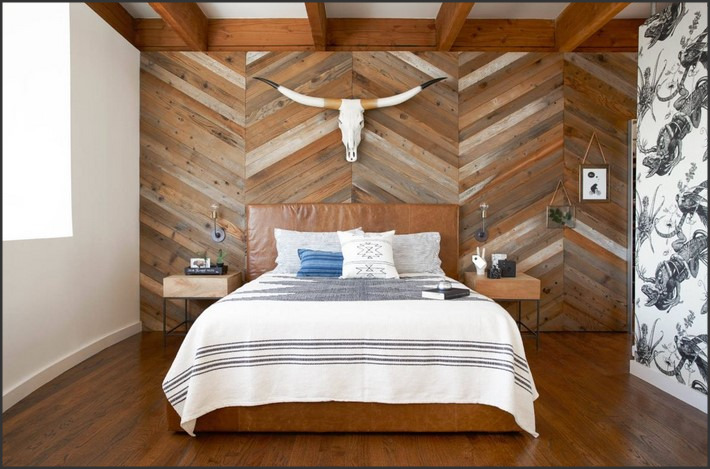
Upgrade Your Outdoor Living with a DIY Outdoor Bed: Ideas and Inspiration

Transform your outdoor space into a serene oasis with a DIY outdoor bed. Imagine lounging beneath the open sky, surrounded by nature’s beauty, all while basking in the comfort of your own handcrafted haven. With just a few materials and a touch of creativity, you can bring the luxury of a relaxing getaway right to your backyard.

Source: https://www.outdoorlivingdirect.com

As the sun starts to shine brighter and the temperatures rise, there’s nothing quite like enjoying the outdoors from the comfort of your own home. An increasingly popular trend that combines relaxation and creativity is the DIY outdoor bed. These cozy havens provide the perfect spot to unwind, read a book, or simply soak in the beauty of nature. In this article, we’ll explore the world of DIY outdoor beds, offering ideas and inspiration to help you transform your outdoor space into a haven of comfort and style.

1. Selecting the Right Spot

Before diving into the DIY process, it’s important to choose the perfect location for your outdoor bed. Consider areas that receive ample sunlight and have a picturesque view. A corner of your garden, a patio, or even a balcony can serve as an ideal spot. Make sure it’s an area that is both accessible and provides a sense of tranquility.

2. Choosing the Base and Frame

The foundation of your DIY outdoor bed is crucial for both comfort and durability. Options include using a pallet base, repurposed wooden planks, or even a sturdy daybed frame. Pallets offer a rustic look and can be easily customized to fit your desired dimensions. Wooden planks provide a more polished appearance and can be stained or painted to match your outdoor aesthetics. A daybed frame offers a more structured and elevated design, perfect for a luxurious touch.

3. Comfortable Mattress or Cushions

The heart of any outdoor bed lies in its comfort. Opt for a high-quality outdoor mattress or a set of plush cushions designed to withstand the elements. Look for materials that are resistant to moisture, mildew, and UV rays. Investing in weather-resistant fabric will ensure that your outdoor bed remains cozy and inviting, even after exposure to various weather conditions.

4. Canopy or Curtains

For an added touch of luxury and privacy, consider incorporating a canopy or curtains into your outdoor bed design. A canopy provides shade on hot days and creates a sense of seclusion. Lightweight, flowy curtains can also add a touch of elegance while protecting you from direct sunlight. Choose colors and patterns that complement your outdoor space’s aesthetic.

5. Pillows and Throws

Enhance the comfort and style of your outdoor bed with an array of pillows and throws. Mix and match different sizes, textures, and patterns to create a visually appealing and inviting atmosphere. Outdoor-rated pillows are designed to withstand the elements, so you won’t have to worry about bringing them indoors during inclement weather.

6. Functional Side Tables

To truly upgrade your outdoor living experience, consider adding functional side tables to your DIY outdoor bed setup. These tables can hold your beverages, books, or any other items you might need while lounging. Choose materials like wicker, teak, or metal, which can withstand outdoor conditions without deteriorating.

7. Lighting Ambiance

Extend the usability of your DIY outdoor bed into the evening by incorporating ambient lighting. String lights, lanterns, or even solar-powered LED fixtures can create a cozy and magical atmosphere. Soft lighting not only enhances the aesthetics of your outdoor space but also sets the mood for relaxation and tranquility.

8. Natural Greenery and Accessories

Blend your outdoor bed seamlessly with the surrounding environment by adding natural greenery and accessories. Potted plants, hanging planters, and trellises with climbing vines can create a lush and inviting atmosphere. Scatter a few outdoor-friendly decorative items, such as ceramic lanterns, seashells, or driftwood sculptures, to add a personal touch.

9. Personalized Color Palette

Choose a color palette that resonates with your outdoor space and personal preferences. Neutral tones can create a serene and sophisticated look, while vibrant hues can add a playful and energetic vibe. Harmonize your chosen colors with the natural elements in your surroundings to ensure a cohesive and inviting feel.

Conclusion

Creating a DIY outdoor bed is an excellent way to transform your outdoor space into a haven of relaxation and style. By carefully selecting the location, base, and materials, you can craft a comfortable and inviting spot that reflects your personal taste. From choosing the right mattress to adding functional accessories, each element plays a crucial role in enhancing your outdoor living experience. So why wait? Upgrade your outdoor living with a DIY outdoor bed and immerse yourself in the beauty of nature while enjoying the ultimate comfort.

Step-by-Step Guide to Creating a DIY Kitchen Backsplash in a Weekend

Source : https://st.houzz.com

Introduction

A kitchen backsplash serves as both a functional and aesthetic element in your kitchen space. Not only does it protect your walls from splatters and spills, but it also adds a pop of style and personality to your culinary haven. While the idea of renovating might seem daunting, creating a DIY kitchen backsplash is a manageable project that can be completed over a weekend. In this step-by-step guide, we’ll walk you through the process of designing and installing your own kitchen backsplash, turning your kitchen into a delightful and creative space.

Step 1: Planning and Design

The first step in any DIY project is meticulous planning. Determine the style and color scheme you want for your kitchen backsplash. Consider factors such as the overall kitchen decor, cabinet color, countertop material, and your personal preferences. Browse through magazines, online platforms, and social media to gather inspiration. Sketch out your design on paper or use digital design tools to visualize the final look.

Step 2: Gathering Materials

Once you’ve finalized your design, it’s time to gather the materials. You’ll need tiles (ceramic, glass, porcelain, or subway tiles, depending on your preference), tile adhesive, tile spacers, grout, a trowel, a tile cutter or wet saw, a level, a measuring tape, and a sponge. Visit a local home improvement store or shop online to acquire all the necessary supplies.

Step 3: Preparing the Surface

Before you start tiling, prepare the wall surface. Clean the area thoroughly to remove any grease, dirt, or debris. Sand down rough patches and repair any imperfections with spackling compound. Ensure the surface is smooth and even, as this will help with proper tile adhesion.

Step 4: Measuring and Marking

Measure the area you plan to tile and mark the centerline as a starting point. Use a level to draw a vertical line, which will serve as your guide for aligning the tiles. Dry-lay your tiles along this line to visualize the layout and make any necessary adjustments before applying adhesive.

Step 5: Applying Adhesive

Begin applying tile adhesive to a small section of the wall using a trowel. Spread the adhesive evenly, creating ridges for better adhesion. Press the first tile onto the adhesive, following the centerline and using tile spacers to maintain consistent gaps between tiles. Continue this process, working in small sections, until you’ve covered the entire area.

Step 6: Cutting and Fitting Tiles

As you reach the edges or corners of the backsplash area, you’ll likely need to cut tiles to fit properly. Measure the space, mark the tile accordingly, and use a tile cutter or wet saw to make precise cuts. Safety goggles and gloves are recommended when using cutting tools. Place the cut tiles in position, ensuring a snug fit.

Step 7: Applying Grout

Once the adhesive has dried and the tiles are securely in place, it’s time to apply grout. Mix the grout according to the manufacturer’s instructions. Using a rubber float, spread the grout diagonally across the tiles, pressing it into the gaps. Scrape off excess grout using the float’s edge, holding it at a 45-degree angle. Wait for the grout to set slightly before moving to the next step.

Step 8: Cleaning and Finishing

After about 20-30 minutes, when the grout has set but isn’t fully dry, wipe down the tiles with a damp sponge to remove grout residue. Rinse the sponge frequently and keep the tiles clean. Allow the grout to cure for the recommended time (usually 24-48 hours), and then buff the tiles with a clean, dry cloth to reveal their shine.

Step 9: Sealing the Grout

To ensure the longevity of your kitchen backsplash, consider sealing the grout. Grout sealers help prevent staining and make the cleaning process easier. Apply the sealer as per the manufacturer’s instructions, allowing it to dry completely before resuming normal use of the kitchen.

Conclusion

Creating a DIY kitchen backsplash is a rewarding and manageable project that can be completed over a single weekend. With careful planning, the right materials, and step-by-step guidance, you can transform your kitchen space into a stylish and functional area that reflects your personal taste. From designing your layout to applying the final coat of grout, each step contributes to the creation of a beautiful backsplash that you can proudly showcase to family and friends. So, roll up your sleeves, gather your tools, and embark on this creative journey to enhance the heart of your home.

The Ultimate List of Unique Materials for Your DIY Kitchen Backsplash

A DIY kitchen backsplash is a creative and practical way to enhance the visual appeal of your kitchen space. By choosing the right materials, colors, and patterns, you can add a personalized touch to your kitchen while also protecting your walls from splatters and stains. Whether you’re a seasoned DIY enthusiast or just starting out, installing a kitchen backsplash can be a rewarding project that transforms the heart of your home.

Source : https://www.homewithkeki.com

The kitchen is often referred to as the heart of the home, and it’s no surprise why. It’s the place where meals are prepared, conversations are shared, and memories are made. As such, it’s essential to create a kitchen space that reflects your personality and style. One way to achieve this is by designing a unique and eye-catching backsplash that not only protects your walls from splatters and spills but also adds a touch of flair to your kitchen decor. If you’re looking to embark on a DIY kitchen backsplash project, consider exploring the world of materials beyond the traditional tiles. In this article, we’ll explore the ultimate list of unique materials that can transform your kitchen into a one-of-a-kind culinary haven.

1. Reclaimed Wood:
Give your kitchen a rustic and warm aesthetic with a backsplash made from reclaimed wood. Salvaged from old barns, pallets, or other sources, reclaimed wood brings character and history to your space. Each piece of wood tells a story through its weathered texture and unique markings, making your kitchen backsplash truly one-of-a-kind.

2. Chalkboard Paint:
Combine functionality and creativity by using chalkboard paint as your backsplash material. This versatile option allows you to jot down grocery lists, recipes, or simply doodle while you cook. It’s an interactive way to personalize your kitchen and keep things organized.

3. Stainless Steel:
For a sleek and modern look, consider stainless steel as your backsplash material. This material is not only easy to clean but also adds a professional and industrial vibe to your kitchen. It’s an excellent choice for those who love the minimalist aesthetic.

4. Pressed Tin:
If you’re a fan of vintage charm, pressed tin is the perfect material for your DIY backsplash. With intricate patterns and a nod to yesteryears, pressed tin brings a sense of elegance and nostalgia to your kitchen space.

5. Corkboard:
Unleash your inner artist by using corkboard as a backsplash material. Pin up recipes, artwork, or even your children’s drawings to create a personalized and ever-changing backsplash design. Plus, cork is an eco-friendly choice that adds warmth to your kitchen.

6. Glass Mosaic:
For a touch of luxury and a wide range of color options, consider glass mosaic tiles. These small, vibrant tiles can be arranged to create stunning patterns and designs, making your kitchen backsplash a true work of art.

7. Pebbles and Stones:
Bring the outdoors inside by using pebbles and stones as your backsplash material. These natural elements add texture and a calming ambiance to your kitchen. You can create a soothing oasis that reflects the tranquility of nature.

8. Vintage Plates:
Turn your collection of vintage plates into an eclectic and visually captivating backsplash. Whether you mix and match colors or stick to a specific theme, this approach allows you to showcase your personality and love for antique finds.

9. Leather Tiles:
For a truly unique and unexpected choice, consider leather tiles as your backsplash material. Leather adds warmth and texture to your kitchen, creating a cozy and inviting atmosphere that’s perfect for culinary adventures.

10. Bottle Caps:
Unleash your creativity by upcycling bottle caps into a quirky and playful backsplash design. Collect bottle caps in different colors and sizes, arrange them in a pattern, and seal them for a one-of-a-kind conversation starter.

11. Fabric Panels:
Add a touch of softness to your kitchen by using fabric panels as a backsplash. Choose a fabric that complements your kitchen’s color scheme and style, and easily switch it out whenever you’re ready for a change.

12. Geometric Tiles:
Embrace contemporary design with geometric tiles that feature intricate patterns and bold shapes. Whether you opt for hexagons, triangles, or other geometric designs, this choice will make your kitchen backsplash a focal point.

13. Pressed Flowers:
Capture the beauty of nature by using pressed flowers as your backsplash material. Encase delicate petals in transparent panels for a stunning and ethereal effect that brings the outdoors into your kitchen.

14. License Plates:
Showcase your wanderlust and love for road trips by using old license plates as a quirky backsplash material. Each plate tells a story from a different place and time, adding a sense of adventure to your kitchen.

15. Faux Brick Panels:
Achieve an industrial and urban look with faux brick panels that give your kitchen a loft-like vibe. These panels are lightweight, easy to install, and provide a timeless charm that complements various design styles.

In conclusion, your kitchen backsplash presents an opportunity to express your creativity and style in a unique way. By exploring unconventional materials, you can transform your kitchen into a personalized haven that stands out from the crowd. Whether you’re drawn to the rustic charm of reclaimed wood or the contemporary allure of geometric tiles, the options are limitless. So roll up your sleeves, gather your chosen materials, and embark on a DIY kitchen backsplash project that will undoubtedly become a conversation piece and a source of pride in your home.

Budget-Friendly Homemade Fire Pit Ideas: Recycle and Reuse Materials

Source : https://www.thespruce.com

When it comes to creating a cozy outdoor space, few things can rival the allure of a crackling fire pit. Gathering around the warmth of a fire, roasting marshmallows, and enjoying the company of friends and family – these are the moments that make memories. However, purchasing a pre-made fire pit or having one professionally installed can often come with a hefty price tag. But fear not! With a little creativity, resourcefulness, and a desire to recycle and reuse materials, you can craft your very own budget-friendly homemade fire pit that not only saves you money but also adds a unique touch to your outdoor area.

Embracing the DIY Spirit

The Do-It-Yourself (DIY) movement has gained immense popularity in recent years, driven by a desire to personalize spaces and reduce our ecological footprint. Building a fire pit using recycled and repurposed materials not only fits well within the DIY ethos but also contributes to sustainable living. It’s a win-win situation that allows you to create a functional and beautiful fire pit while minimizing your impact on the environment.

Choosing the Right Location

Before you start gathering materials, consider where you’d like to place your fire pit. Ensure that the location adheres to safety guidelines – it should be far from any flammable structures or overhanging branches. Additionally, check with local regulations or homeowner association rules regarding fire pits in your area. Once you have the perfect spot, it’s time to start brainstorming fire pit designs.

Tire Rim Fire Pit

One of the simplest and most resourceful fire pit ideas involves using an old tire rim. Discarded tire rims can be found in junkyards, auto repair shops, or even in your own garage. With a coat of heat-resistant paint, you can transform a tire rim into a stylish fire pit that radiates industrial charm.

1. Materials Needed:
– Old tire rim
– Heat-resistant paint (choose a color that suits your outdoor decor)
– Gravel or paver base
– Sand
– Firewood

2. Steps:
– Clean the tire rim thoroughly to remove any dirt or debris.
– Apply heat-resistant paint to the exterior of the tire rim. Let it dry according to the manufacturer’s instructions.
– Place the tire rim in your chosen location.
– Create a stable base by placing gravel or pavers inside the rim.
– Fill the rim with sand to the desired height, leaving enough space for the firewood.
– Ignite a fire using small pieces of dry wood and gradually add larger logs to maintain the flame.

Stone Ring Fire Pit

If you’re lucky enough to have access to a collection of stones or bricks, a stone ring fire pit can be an excellent option. This design mimics the classic campfire setting and offers a rustic and earthy aesthetic.

1. Materials Needed:
– Stones or bricks (various sizes and shapes)
– Shovel
– Sand or gravel
– Firewood

2. Steps:
– Clear the area where you want to build your fire pit.
– Arrange the stones or bricks in a circular formation, leaving enough space in the center for the fire.
– Begin stacking the stones to create the desired height, interlocking them securely.
– Use sand or gravel to level the ground within the circle and provide stability.
– Place firewood in the center of the ring and light the fire.

Washing Machine Drum Fire Pit

Repurposing an old washing machine drum as a fire pit combines creativity and functionality. The drum’s perforated design allows for optimal air circulation, resulting in a well-ventilated and efficient fire.

1. Materials Needed:
– Discarded washing machine drum
– High-heat paint
– Gravel or paver base
– Firewood

2. Steps:
– Find an old washing machine drum and thoroughly clean it.
– Apply high-heat paint to the exterior of the drum for a polished look.
– Create a stable base by placing gravel or pavers beneath the drum.
– Position the drum upright, ensuring stability.
– Fill the drum with firewood and light your fire.

Concrete Block Fire Pit

Concrete blocks, often used for construction, can be repurposed into a sturdy and visually appealing fire pit. This design offers flexibility in size and shape, allowing you to customize your fire pit according to your preferences.

1. Materials Needed:
– Concrete blocks
– Shovel
– Sand or gravel
– Firewood

2. Steps:
– Choose a layout for your fire pit using the concrete blocks. You can create a square, rectangular, or circular shape.
– Clear the designated area and place the concrete blocks in the chosen arrangement.
– Stack the blocks, ensuring stability and balance.
– Use sand or gravel to level the ground within the block arrangement.
– Fill the center with firewood and ignite the fire.

Safety First

While creating your budget-friendly fire pit, it’s important to prioritize safety. Keep a fire extinguisher or a bucket of water nearby in case the flames need to be quickly extinguished. Additionally, never leave the fire unattended, especially if there are children or pets around. As you build your fire pit, be cautious of nearby structures and foliage that could catch fire.

In Conclusion

Crafting a homemade fire pit using recycled and repurposed materials not only saves you money but also invites a sense of accomplishment and creativity into your outdoor space. Whether you opt for a tire rim, a stone ring, a washing machine drum, or concrete blocks, each design has its own unique charm. By embracing the DIY spirit and recycling materials, you’re not only creating a cozy gathering spot but also contributing to a more sustainable and environmentally conscious lifestyle. So, gather your materials, invite some friends over, and bask in the warmth of your very own budget-friendly homemade fire pit.

Creative Homemade Fire Pit Ideas to Transform Your Outdoor Space

Introduction

Discovering the perfect focal point for your outdoor space, a homemade fire pit adds warmth and charm to gatherings with friends and family. With a myriad of creative ideas to choose from, you can transform your backyard into a cozy retreat, where the crackling flames become the centerpiece of relaxation and enjoyment. Whether you prefer a rustic stone design or a modern, sleek arrangement, homemade fire pits offer endless possibilities to elevate your outdoor ambiance.

Source : https://s3media.angieslist.com

The allure of a crackling fire has always held a special place in human hearts. From ancient times, gathering around a fire has fostered community, warmth, and a sense of connection with nature. In today’s fast-paced world, creating a homemade fire pit in your outdoor space can bring that timeless charm right to your doorstep. Whether you’re looking for a cozy gathering spot or a striking focal point, these creative homemade fire pit ideas are sure to transform your outdoor space into a welcoming haven.

1. Rustic Stone Circle Pit

Channel the spirit of a campfire with a rustic stone circle fire pit. Stack natural stones in a circular formation to create an earthy, laid-back atmosphere. Use stones of varying sizes for an organic feel, and incorporate a few larger rocks as makeshift seating. This design encourages a sense of togetherness, where friends and family can share stories and laughter while basking in the warmth of the fire.

2. Sunken Elegance

For a touch of sophistication, consider a sunken fire pit. Create a recessed area in your outdoor space and surround it with comfortable seating. Use concrete or brick to line the sunken area, enhancing the modern aesthetic. The lower profile of the fire pit adds an element of privacy and makes it feel like a hidden oasis where you can unwind in style.

3. Repurposed Metal Delight

Give new life to old metal objects by transforming them into unique fire pits. A repurposed washing machine drum, an industrial barrel, or even a discarded tire rim can become a striking fire pit with a dash of creativity. These industrial-style fire pits add a touch of edginess to your outdoor space, while also promoting eco-consciousness by repurposing materials that might otherwise go to waste.

4. Fire and Water Harmony

Why settle for just a fire pit when you can have a fire and water feature in one? Combine the soothing sound of trickling water with the warmth of a fire by incorporating a shallow pool around your fire pit. Stones placed strategically in the water create a path to the center, where the fire pit is located. This unique design marries two natural elements, fostering a calming ambiance that’s perfect for relaxation.

5. Tree Stump Marvel

Turn a tree stump into a captivating fire pit that pays homage to nature’s beauty. Hollow out the center of a sturdy tree stump and line it with fire-resistant material. This design not only preserves the natural aesthetic of your outdoor space but also serves as a nod to the circle of life. It’s a conversation starter that combines whimsy with practicality.

6. Boulder Bliss

Embrace the grandeur of nature with a boulder fire pit. Choose a large, flat boulder as the centerpiece of your outdoor space and build the fire pit on its surface. Surround it with smaller boulders or pebbles to define the area. This idea integrates seamlessly with rustic landscapes, inviting you to experience the raw beauty of the outdoors while enjoying the comfort of a controlled fire.

7. Multilevel Magic

Elevate your fire pit game by creating a multilevel space. Design a tiered platform with different levels for seating and the fire pit itself. This arrangement not only adds visual interest but also accommodates larger gatherings. Each level can serve as a distinct gathering spot, offering a dynamic experience that encourages mingling and interaction.

8. Copper Cauldron Charisma

A copper cauldron fire pit exudes an air of enchantment and mystique. The warm hue of the copper contrasts beautifully with the flames, creating a mesmerizing visual spectacle. You can go for a sleek, polished look or allow the copper to develop a natural patina over time, adding to its character. This fire pit idea is a nod to traditional craftsmanship and infuses a touch of magic into your outdoor space.

9. Minimalist Zen

Simplicity can often speak volumes, and a minimalist fire pit design can be just as impactful. A shallow concrete or metal trough, accented with clean lines, can create a Zen-like focal point in your outdoor space. Surround it with minimalist seating, such as sleek benches or floor cushions, to emphasize the tranquility and contemplative atmosphere.

10. Geometric Symmetry

Appeal to your inner architect with a geometric fire pit. Construct a fire pit using square or rectangular blocks to create a visually striking centerpiece. This design lends itself well to modern and contemporary outdoor spaces, adding a touch of geometric symmetry to balance the organic surroundings.

Conclusion

Creating a homemade fire pit is an opportunity to infuse your outdoor space with your personal style and creativity. Whether you’re drawn to rustic charm, modern elegance, or a fusion of elements, these creative fire pit ideas can help you craft a welcoming haven where friends and family can gather, relax, and bask in the timeless allure of a crackling fire. By transforming your outdoor space with these innovative designs, you’re not just creating a fire pit – you’re crafting memories and fostering connections that will last a lifetime.

Stainless Style: Stainless Steel Countertop for Sleek Kitchen Design

Stainless steel countertops are a great way to add a sleek and modern look to any kitchen. They are durable, easy to clean, and can be customized to fit any kitchen design. Stainless steel countertops are also resistant to heat, scratches, and stains, making them a great choice for busy kitchens. With a variety of styles and finishes available, you can find the perfect stainless steel countertop to fit your kitchen design. Whether you are looking for a classic look or something more modern, stainless steel countertops are a great choice for any kitchen.

How to Incorporate Stainless Steel Countertops into Your Kitchen Design for a Sleek, Modern Look

Stainless steel countertops are a great way to add a modern, sleek look to any kitchen. Not only are they stylish, but they are also incredibly durable and easy to maintain. Here are some tips on how to incorporate stainless steel countertops into your kitchen design for a sleek, modern look.

First, consider the size and shape of your countertops. Stainless steel countertops come in a variety of sizes and shapes, so you can find one that fits your kitchen perfectly. If you have a large kitchen, you may want to opt for a larger countertop to make the most of the space. If you have a smaller kitchen, you can opt for a smaller countertop to save space.

Next, think about the color of your stainless steel countertops. Stainless steel comes in a variety of colors, so you can choose one that complements the rest of your kitchen design. If you have a modern kitchen, you may want to opt for a darker color, such as black or gunmetal. If you have a more traditional kitchen, you may want to opt for a lighter color, such as silver or white.

Finally, consider the finish of your stainless steel countertops. There are a variety of finishes available, so you can choose one that best suits your kitchen design. For a modern look, you may want to opt for a brushed finish. For a more traditional look, you may want to opt for a polished finish.

By following these tips, you can easily incorporate stainless steel countertops into your kitchen design for a sleek, modern look. With the right size, color, and finish, you can create a beautiful, modern kitchen that you will be proud to show off.

The Benefits of Installing Stainless Steel Countertops in Your Kitchen: Durability, Style, and Easy Maintenance

Stainless steel countertops are an increasingly popular choice for modern kitchens due to their durability, style, and easy maintenance. With a sleek, contemporary look, stainless steel countertops can instantly transform any kitchen into a stylish and sophisticated space.

Durability is one of the main benefits of stainless steel countertops. Unlike other materials, stainless steel is highly resistant to scratches, dents, and other damage. This makes it an ideal choice for busy kitchens, as it can withstand the wear and tear of everyday use. Additionally, stainless steel is non-porous, meaning it won’t absorb liquids or odors, making it easy to keep clean.

Style is another advantage of stainless steel countertops. The sleek, modern look of stainless steel can instantly transform any kitchen into a stylish and sophisticated space. Stainless steel countertops are available in a variety of finishes, allowing you to customize the look of your kitchen to suit your personal style.

Finally, stainless steel countertops are easy to maintain. Unlike other materials, stainless steel is non-porous, meaning it won’t absorb liquids or odors, making it easy to keep clean. Additionally, stainless steel is highly resistant to scratches, dents, and other damage, making it a great choice for busy kitchens.

In conclusion, stainless steel countertops are an excellent choice for modern kitchens due to their durability, style, and easy maintenance. With a sleek, contemporary look, stainless steel countertops can instantly transform any kitchen into a stylish and sophisticated space.

Conclusion

The Stainless Steel Countertop is a great choice for any kitchen design. It is a sleek and modern look that will add a touch of sophistication to any kitchen. It is also a durable and easy to maintain material that will last for years to come. With its sleek design and durability, the Stainless Steel Countertop is an excellent choice for any kitchen design.

Colorful Change: Dye Brick Techniques for Altered Exterior Appearances

Colorful Change: dye brick Techniques for Altered Exterior Appearances is a unique and innovative way to transform the look of your home or business. This technique uses a special dye to change the color of brick, giving it a new and vibrant look. The dye is applied to the brick in a variety of ways, allowing for a wide range of colors and effects. This technique is perfect for those looking to give their home or business a fresh and modern look without the hassle of a full renovation. With Colorful Change, you can easily and quickly change the look of your exterior without breaking the bank.

Exploring the Benefits of Dye Brick Techniques for Home Exteriors: How Colorful Change Can Transform Your Home.

The exterior of a home is often the first thing that people notice, and it can be a great way to make a statement and express your personal style. dye brick techniques are becoming increasingly popular for home exteriors, as they offer a unique and colorful way to transform the look of your home. In this article, we will explore the benefits of dye brick techniques and how they can help you create a beautiful and eye-catching exterior.

One of the main advantages of dye brick techniques is that they are relatively inexpensive compared to other exterior design options. This makes them a great choice for homeowners who are looking to make a big impact without breaking the bank. Additionally, dye brick techniques are relatively easy to apply and can be done in a short amount of time. This makes them a great option for those who want to make a quick change to their home’s exterior.

Another benefit of dye brick techniques is that they are highly customizable. You can choose from a wide range of colors and patterns to create a unique look that reflects your personal style. Additionally, dye brick techniques are highly durable and can withstand the elements, making them a great choice for homes in areas with extreme weather conditions.

Finally, dye brick techniques can help to increase the value of your home. A unique and eye-catching exterior can help to attract potential buyers and increase the overall value of your home.

In conclusion, dye brick techniques are a great way to transform the look of your home’s exterior. They are relatively inexpensive, easy to apply, highly customizable, and can help to increase the value of your home. If you are looking for a way to make a big impact without breaking the bank, dye brick techniques may be the perfect solution.

Creative Ways to Use Dye Brick Techniques to Enhance Your Home’s Curb Appeal: Tips for Making a Colorful Change

1. Paint the Front Door: Adding a bright, bold color to your front door is an easy way to make a big impact on your home’s curb appeal. Choose a color that complements the exterior of your home and use a dye brick technique to create a unique, eye-catching look.

2. Create a Colorful Pathway: Use dye brick techniques to create a colorful pathway leading up to your front door. Choose a color that stands out against the surrounding landscape and use the dye brick technique to create a unique pattern.

3. Add Color to Your Fence: Give your fence a makeover by using dye brick techniques to add a splash of color. Choose a color that complements the exterior of your home and use the dye brick technique to create a unique pattern.

4. Paint Your Shutters: Give your shutters a new look by using dye brick techniques to paint them. Choose a color that stands out against the exterior of your home and use the dye brick technique to create a unique pattern.

5. Create a Colorful Accent Wall: Use dye brick techniques to create a colorful accent wall on the exterior of your home. Choose a color that stands out against the surrounding landscape and use the dye brick technique to create a unique pattern.

6. Paint Your Mailbox: Give your mailbox a makeover by using dye brick techniques to paint it. Choose a color that stands out against the exterior of your home and use the dye brick technique to create a unique pattern.

7. Paint Your Window Frames: Give your window frames a new look by using dye brick techniques to paint them. Choose a color that stands out against the exterior of your home and use the dye brick technique to create a unique pattern.

By using dye brick techniques to enhance your home’s curb appeal, you can make a big impact with minimal effort. Choose colors that complement the exterior of your home and use the dye brick technique to create a unique, eye-catching look.

Conclusion

The Colorful Change: dye brick Techniques for Altered Exterior Appearances project has demonstrated that it is possible to use dye brick techniques to alter the appearance of exterior walls. This project has shown that dye brick techniques can be used to create a variety of different looks, from subtle to dramatic, and can be used to create a unique and eye-catching exterior. The project has also demonstrated that dye brick techniques are a cost-effective and environmentally friendly way to alter the appearance of exterior walls. With the right materials and techniques, anyone can create a beautiful and unique exterior wall.

Drapery Duo: Enhancing Vertical Blinds with Curtains for Elegance

Source: tcb.com.sg

Drapery Duo is a unique and innovative way to enhance the look of your vertical blinds with curtains for added elegance. With Drapery Duo, you can easily and quickly transform your vertical blinds into a beautiful and stylish window treatment. Drapery Duo is a great way to add a touch of sophistication to any room in your home. With Drapery Duo, you can choose from a variety of fabrics, colors, and styles to create the perfect look for your windows. With Drapery Duo, you can easily and quickly create a beautiful and stylish window treatment that will last for years to come.

How to Create a Stylish Look with Vertical Blinds and Curtains

Creating a stylish look in your home can be a daunting task. However, with the right combination of vertical blinds and curtains, you can create a look that is both stylish and functional.

Vertical blinds are a great choice for windows because they provide privacy and light control. They come in a variety of colors and materials, so you can find the perfect match for your décor. Vertical blinds are also easy to install and maintain, making them a great choice for any home.

Curtains are a great way to add a touch of style to any room. They come in a variety of colors, fabrics, and patterns, so you can find the perfect look for your home. Curtains also provide additional insulation, helping to keep your home warm in the winter and cool in the summer.

When combining vertical blinds and curtains, it is important to consider the size of the window. If the window is too small for both blinds and curtains, you may want to opt for just one or the other. If the window is large enough, you can layer the two together for a stylish look.

To create a layered look, start by hanging the vertical blinds. Then, hang the curtains on the same rod, but slightly higher than the blinds. This will create a layered look that is both stylish and functional.

When choosing the colors and fabrics for your vertical blinds and curtains, consider the overall look of the room. If you want a more modern look, opt for neutral colors and simple patterns. If you want a more traditional look, choose bold colors and intricate patterns.

By combining vertical blinds and curtains, you can create a stylish look that is both functional and attractive. With the right combination of colors and fabrics, you can create a look that is perfect for any room in your home.

The Benefits of Combining Vertical Blinds and Curtains for a Unique Window Treatment

Vertical blinds and curtains are two of the most popular window treatments available, and when combined, they can create a unique and stylish look for any room. Combining vertical blinds and curtains offers a number of benefits, including increased privacy, improved insulation, and enhanced aesthetics.

Privacy is one of the main advantages of combining vertical blinds and curtains. Vertical blinds provide a high level of privacy when closed, while curtains can be opened and closed to adjust the amount of light and privacy in the room. When combined, the two window treatments can be used to create a variety of levels of privacy, depending on the needs of the homeowner.

Insulation is another benefit of combining vertical blinds and curtains. Vertical blinds are made from a variety of materials, including vinyl, fabric, and wood, and they can be used to block out the sun’s rays and keep the room cooler in the summer. Curtains, on the other hand, are made from a variety of fabrics, including cotton, silk, and velvet, and they can be used to keep the room warmer in the winter. When combined, the two window treatments can provide an effective barrier against the elements, helping to keep the room comfortable year-round.

Finally, combining vertical blinds and curtains can also enhance the aesthetics of a room. Vertical blinds come in a variety of colors and styles, and they can be used to create a modern or traditional look. Curtains, on the other hand, come in a variety of fabrics and colors, and they can be used to add a touch of elegance to any room. When combined, the two window treatments can create a unique and stylish look that will be sure to impress.

In conclusion, combining vertical blinds and curtains can offer a number of benefits, including increased privacy, improved insulation, and enhanced aesthetics. Whether you’re looking for a modern or traditional look, combining vertical blinds and curtains can help you create a unique and stylish window treatment that will be sure to impress.

Conclusion

Drapery Duo is an innovative way to enhance the look of vertical blinds with curtains for a more elegant and stylish look. It is a great way to add a touch of sophistication to any room without having to replace the existing window treatments. The combination of vertical blinds and curtains creates a unique and beautiful look that can be customized to fit any style. Drapery Duo is an easy and affordable way to update the look of any room.

Kitchen Companion: Exploring Olive Oil Uses for Cooking and More

Welcome to Kitchen Companion: Exploring olive oil uses for Cooking and More! Olive oil is a versatile and healthy cooking oil that has been used for centuries. In this guide, we will explore the many uses of olive oil in the kitchen, from cooking to baking to salad dressings and more. We will also discuss the health benefits of olive oil, as well as tips for selecting and storing it. Whether you are a beginner or an experienced cook, this guide will provide you with the information you need to make the most of this delicious and nutritious oil. So let’s get started!

Discovering the Versatility of Olive Oil: Exploring Different Uses in the Kitchen

Olive oil is a versatile and essential ingredient in many kitchens around the world. It is a staple in Mediterranean cuisine, but its uses extend far beyond the traditional dishes of the region. From baking to sautéing, olive oil can be used in a variety of ways to enhance the flavor of a dish. In this article, we will explore the different uses of olive oil in the kitchen and how it can be used to create delicious and nutritious meals.

One of the most common uses of olive oil is in baking. It can be used to replace butter or other fats in recipes, adding a subtle flavor and a healthy dose of monounsaturated fats. Olive oil can also be used to grease baking pans, giving cakes and other baked goods a golden-brown color and a delicious flavor.

Olive oil is also a great choice for sautéing vegetables, fish, and other proteins. Its high smoke point makes it an ideal choice for high-heat cooking, and its flavor adds a delicious depth to any dish. It is also a great choice for marinades, as its flavor will infuse into the food and help to tenderize it.

Olive oil can also be used to make salad dressings and sauces. Its mild flavor makes it a great choice for vinaigrettes, and it can be used to make creamy sauces for pasta dishes. It can also be used to drizzle over cooked vegetables or to add flavor to soups and stews.

Finally, olive oil can be used as a finishing oil. Drizzling a bit of olive oil over a dish just before serving can add a subtle flavor and a beautiful sheen. It can also be used to make pesto, hummus, and other dips and spreads.

As you can see, olive oil is a versatile and essential ingredient in the kitchen. From baking to sautéing to making sauces and dressings, it can be used in a variety of ways to enhance the flavor of a dish. With its mild flavor and healthy fats, it is a great choice for any kitchen.

Unlocking the Health Benefits of Olive Oil: How to Incorporate it into Your Diet

Olive oil is a staple of the Mediterranean diet and is widely known for its health benefits. It is rich in monounsaturated fatty acids, which can help reduce the risk of heart disease, and it is also a great source of antioxidants. Incorporating olive oil into your diet can be a great way to improve your overall health. Here are some tips on how to do so.

First, use olive oil as a substitute for other fats when cooking. Olive oil has a high smoke point, making it an ideal choice for sautéing, baking, and roasting. It can also be used as a substitute for butter in many recipes.

Second, use olive oil as a salad dressing. Olive oil is a great way to add flavor to salads without adding unhealthy fats. Simply mix it with some vinegar, herbs, and spices to create a delicious and healthy dressing.

Third, use olive oil as a dip for bread. Olive oil is a great way to add flavor to bread without adding unhealthy fats. Simply mix it with some herbs and spices to create a delicious and healthy dip.

Finally, use olive oil as a finishing oil. Olive oil can be used to finish dishes such as pasta, fish, and vegetables. It adds a delicious flavor and can help to enhance the flavor of the dish.

Incorporating olive oil into your diet is a great way to improve your overall health. It is rich in monounsaturated fatty acids, which can help reduce the risk of heart disease, and it is also a great source of antioxidants. By using olive oil as a substitute for other fats when cooking, as a salad dressing, as a dip for bread, and as a finishing oil, you can easily incorporate it into your diet and reap the health benefits.

Conclusion

In conclusion, Kitchen Companion: Exploring olive oil uses for Cooking and More is an invaluable resource for anyone looking to learn more about the many uses of olive oil in the kitchen. From its health benefits to its versatility in cooking, this book provides a comprehensive overview of the many ways olive oil can be used to enhance the flavor and nutrition of meals. With its easy-to-follow instructions and helpful tips, Kitchen Companion is an essential guide for anyone looking to make the most of their olive oil.

Timeless Tones: Light Oak Kitchen Cabinets for Warm and Inviting Kitchens

Timeless Tones: light oak kitchen cabinets are the perfect choice for creating a warm and inviting kitchen. With their classic style and natural beauty, these cabinets will bring a timeless look to any kitchen. The light oak finish adds a touch of elegance and sophistication to any space, while the solid construction ensures that these cabinets will last for years to come. Whether you’re looking for a traditional look or something more modern, these cabinets will provide the perfect backdrop for your kitchen. With their versatility and durability, these cabinets are sure to be a favorite for years to come.

How to Achieve a Timeless Look with Light Oak Kitchen Cabinets

light oak kitchen cabinets are a timeless choice for any kitchen. They offer a classic look that can be adapted to fit any style of home. Whether you are looking for a traditional, modern, or contemporary look, light oak kitchen cabinets can provide the perfect backdrop for your kitchen.

When selecting light oak kitchen cabinets, it is important to consider the overall design of your kitchen. Consider the size of the room, the color palette, and the type of appliances you plan to use. This will help you determine the best style of cabinets for your space.

Once you have chosen the style of cabinets, you can begin to think about the finish. light oak kitchen cabinets can be stained or painted to match the rest of your kitchen. If you are looking for a more traditional look, you may want to choose a darker stain. For a more modern look, you may want to opt for a lighter stain or paint.

When it comes to hardware, you can choose from a variety of options. You can choose from traditional knobs and pulls, or you can opt for more modern hardware. Consider the overall look of your kitchen and choose hardware that will complement the cabinets.

Finally, you can add accessories to your light oak kitchen cabinets to complete the look. Consider adding a backsplash, countertops, and other decorative elements to give your kitchen a unique look. You can also add lighting fixtures to create a warm and inviting atmosphere.

light oak kitchen cabinets are a timeless choice for any kitchen. With the right design and accessories, you can create a look that will last for years to come.

Design Inspiration: Creating a Warm and Inviting Kitchen with Light Oak Cabinets

Creating a warm and inviting kitchen with light oak cabinets is a great way to add a touch of elegance and sophistication to your home. Light oak cabinets are a timeless choice that can be used to create a variety of different looks, from traditional to modern. With the right design elements, you can create a kitchen that is both inviting and stylish.

When selecting light oak cabinets, consider the overall color palette of your kitchen. Light oak cabinets look best when paired with warm colors, such as beige, cream, and yellow. These colors will help to create a cozy atmosphere in your kitchen. You can also add a touch of color with accessories, such as colorful dish towels, rugs, and artwork.

When it comes to the hardware for your light oak cabinets, choose pieces that are both functional and stylish. Opt for hardware that is made of metal or wood, as these materials will help to create a classic look. You can also choose hardware with a more modern look, such as brushed nickel or chrome.

When it comes to the countertops, you have a variety of options. Granite is a popular choice for light oak cabinets, as it is both durable and attractive. If you prefer a more natural look, consider using marble or quartz. Both of these materials are available in a variety of colors and patterns, so you can easily find one that complements your cabinets.

Finally, consider adding a few decorative touches to your kitchen. Hang a few pieces of artwork on the walls, or add a few plants to the countertops. These small touches will help to create a warm and inviting atmosphere in your kitchen. With the right design elements, you can create a kitchen that is both stylish and inviting.

Conclusion

Timeless Tones: light oak kitchen cabinets are a great choice for creating a warm and inviting kitchen. They offer a classic look that will never go out of style, and they are easy to maintain and clean. With their natural beauty and durability, these cabinets are sure to last for years to come. Whether you are looking for a traditional or modern look, these cabinets are sure to provide the perfect touch to your kitchen.