Wall-Mounted Pot Racks: Organize Your Kitchen in Style

In any modern kitchen, organization is key to both functionality and aesthetics. As kitchens become increasingly smaller, maximizing space becomes a priority for homeowners. One simple yet effective solution to this problem is the installation of wall-mounted pot racks. These clever storage solutions not only keep your pots and pans organized but also add a unique and stylish touch to your kitchen. In this article, we will delve into the advantages of using wall-mounted pot racks, different design options available, and tips on how to select the perfect one for your kitchen.

The Benefits of Wall-Mounted Pot Racks

If you’re tired of overcrowded cabinets or cluttered countertops, wall-mounted pot racks offer an elegant and functional way to store your cookware while simultaneously adding character to your kitchen. There are several reasons why wall-mounted pot racks are becoming a must-have item in modern kitchen designs.

1. Maximizing Kitchen Space

Kitchens, particularly in urban homes and apartments, often suffer from a lack of storage space. Wall-mounted pot racks help free up valuable cabinet space by offering a convenient place to hang your pots, pans, and utensils. By utilizing vertical space, you can store multiple pots and pans within easy reach, making it easier to access your most-used kitchenware.

Instead of wasting space with bulky cabinets, you can display your pots and pans on the wall, organizing them neatly without the need for excessive drawer or cabinet space. This makes the kitchen more efficient, especially for those who frequently cook and need quick access to their cookware.

2. Adding Style and Personality

A wall-mounted pot rack serves as more than just a storage solution—it’s also a design element that can elevate the overall aesthetic of your kitchen. Whether you’re aiming for a rustic, modern, industrial, or farmhouse style, a well-chosen pot rack can complement your kitchen’s theme.

For example, a sleek, minimalist stainless steel rack is perfect for contemporary kitchens, while a rustic wrought iron rack can enhance a vintage or farmhouse-inspired space. The material and design of the rack itself will contribute significantly to the character of the room, making it both practical and stylish.

3. Easy Access and Convenience

Another significant benefit of wall-mounted pot racks is the convenience of having your cookware within arm’s reach. Rather than searching through cabinets for the right pot or pan, you can simply grab it from the wall-mounted rack. This is especially beneficial for people who cook often or for those who have a collection of pots and pans that are frequently used. No more opening and closing multiple cabinets, and no more digging through cluttered drawers.

Additionally, many pot racks allow you to organize your cookware by size, with larger items like skillets on the bottom and smaller pans placed higher up. This organized layout helps streamline your cooking process, making meal preparation faster and more efficient.

Types of Wall-Mounted Pot Racks

When choosing a wall-mounted pot rack for your kitchen, it’s essential to consider the space available, your cooking needs, and the overall style of your kitchen. Fortunately, there are several different types of pot racks to choose from, each offering its own set of advantages.

1. Single-Tier Wall-Mounted Racks

Single-tier wall-mounted racks are a simple, minimalist option that works well for smaller kitchens or those with limited wall space. These racks feature a single horizontal bar or shelf that is mounted on the wall, typically made from metal, wood, or even acrylic.

Single-tier racks are perfect for hanging a few essential pots and pans and are great for kitchens with limited storage space. Their slim profile ensures that they don’t overpower the rest of the room, allowing for efficient storage without taking up too much visual space.

2. Multi-Tier Wall-Mounted Racks

If you have a larger kitchen or need to store a variety of cookware, a multi-tier wall-mounted pot rack might be the ideal solution. These racks consist of multiple horizontal tiers or shelves, offering more space for pots, pans, and other kitchen tools. Multi-tier racks are often designed with hooks, making it easy to hang smaller utensils like ladles, spatulas, or even measuring cups.

This design is perfect for kitchens that require a high degree of organization, as it offers plenty of room for a variety of cookware. Multi-tier racks are also great for keeping your kitchen looking tidy while making the most of vertical space.

3. Swinging or Extendable Pot Racks

For those with even more specialized needs, wall-mounted pot racks that swing out or are extendable can be a great option. These racks feature a hinge mechanism that allows you to pull the rack away from the wall when you need to access your pots or pans. After you’re done, the rack swings back into place, saving space when not in use.

Swinging or extendable racks are perfect for kitchens with limited wall space, as they can be tucked away when not needed. They also provide a flexible storage solution for those who need to adjust the placement of their cookware frequently.

4. Corner Pot Racks

If you have an unused corner in your kitchen, a corner-mounted pot rack is a great way to maximize that space. Corner racks can be mounted in the corner of a wall, allowing you to utilize what would otherwise be wasted space. These racks come in both single and multi-tier configurations and are ideal for kitchens with tight corners.

By using the corner space, you can create a dedicated area for your cookware, making your kitchen feel more organized and spacious.

Choosing the Right Wall-Mounted Pot Rack for Your Kitchen

Selecting the right wall-mounted pot rack for your kitchen involves considering several factors to ensure it meets your practical and aesthetic needs. Here are some key points to keep in mind:

1. Material Selection

The material of the pot rack will significantly influence both its functionality and appearance. Common materials include:

  • Stainless Steel: Ideal for modern or industrial kitchens, stainless steel offers durability and a sleek, clean look.
  • Wood: Perfect for farmhouse or rustic kitchens, wood adds warmth and texture to your space.
  • Wrought Iron: Best for vintage or eclectic kitchens, wrought iron adds a timeless, ornate feel to your cooking area.
  • Aluminum: Lightweight and rust-resistant, aluminum is an excellent option for coastal or minimalist kitchens.

2. Size and Capacity

Make sure to select a rack that fits the available wall space in your kitchen. Measure the area where you plan to install the rack to avoid over- or under-sizing. Additionally, consider how many pots and pans you need to store and choose a rack with sufficient capacity. If you have a large collection, a multi-tier or swinging pot rack might be the best choice.

3. Design and Style

Your pot rack should complement the overall design of your kitchen. For example, if your kitchen has a modern look, a simple stainless steel rack with clean lines would be a great fit. If your kitchen has a more rustic or traditional vibe, a wrought iron rack with decorative elements or a wooden rack with handcrafted details would enhance the space.

4. Ease of Installation

Some wall-mounted pot racks are easier to install than others. Depending on the complexity of the design and weight of the rack, installation might require professional assistance, especially if you need to secure the rack to studs in the wall. Be sure to read the installation instructions carefully, and if in doubt, consider hiring a professional to ensure the rack is securely mounted.

Wall-mounted pot racks are an exceptional way to both organize your kitchen and add a touch of style to your cooking space. By freeing up cabinet space, enhancing accessibility, and contributing to your kitchen’s overall design, these racks offer a unique and functional solution to common kitchen storage problems. With a wide range of designs and materials available, there’s a wall-mounted pot rack for every type of kitchen—whether you’re looking for something sleek and modern or rustic and charming. By carefully selecting the right rack for your needs, you can make your kitchen more organized, functional, and visually appealing, all while keeping your cookware within easy reach.

Custom Wooden Railings: Crafting Beautiful Staircase Details

Source:https://images.ctfassets.net

When it comes to elevating the overall design of your home, few elements make as big an impact as your staircase. Not only does a staircase serve as a functional feature, but it also plays a central role in defining the aesthetic of a home. One of the most stylish and timeless ways to enhance a staircase is by adding custom wooden railings. These railings provide not only essential safety but also an opportunity to incorporate unique craftsmanship that reflects your personal style. In this article, we will explore the benefits of custom wooden railings, the different design options available, and why they are an excellent investment for creating a standout feature in your home.

Why Choose Custom Wooden Railings?

Staircases are often the first thing visitors notice when they enter your home, and the railings play a vital part in that impression. While standard, pre-fabricated railings can suffice for functional purposes, custom wooden railings bring an extra level of sophistication and individuality to your space. Whether you’re renovating a traditional home or designing a modern one, a custom railing can reflect the unique character and style you wish to showcase.

Custom wooden railings are versatile and can be tailored to suit any décor, from classic and rustic to sleek and contemporary. The beauty of choosing custom wood is that it allows for a wide range of design possibilities, including the type of wood, finish, and detailing that complements the rest of your home’s interior.

1. Tailored to Your Style

One of the greatest advantages of custom wooden railings is their ability to match your specific design preferences. Whether you’re looking for the rich, natural warmth of oak, the modern elegance of maple, or the rustic appeal of reclaimed wood, you can select the exact type of wood that fits the atmosphere you’re trying to create.

You can also decide on the stain or finish, ranging from dark, polished looks to lighter, more natural tones that bring out the grain of the wood. Furthermore, custom railings allow you to add unique decorative elements, such as carved patterns, inlays, or intricate spindles, which standard railings simply cannot offer.

2. Enhanced Durability and Quality

When you opt for custom wooden railings, you’re investing in a high-quality product that will stand the test of time. Unlike mass-produced railings, which may be prone to defects or wear, custom railings are often crafted from solid hardwoods and made with attention to detail. Skilled craftsmen ensure that every joint and fitting is secure, offering a sturdy structure that enhances both safety and longevity.

Wood is inherently durable and can withstand the daily wear and tear of high-traffic areas. Furthermore, it is easy to maintain—simple periodic cleaning and refinishing will keep your custom wooden railings looking beautiful for years to come.

3. Boosting Home Value

Custom features in a home tend to add to its overall value, and custom wooden railings are no exception. Not only do these railings add aesthetic appeal, but they also demonstrate the quality and craftsmanship of your home. Whether you’re considering selling your home in the future or simply want to invest in something that adds long-term value, custom railings can make a significant difference in how potential buyers perceive your property.

A well-designed staircase with custom wooden railings can be a selling point for many homebuyers, particularly those who appreciate high-quality craftsmanship and personalized touches.

Types of Custom Wooden Railings

There are numerous design options when it comes to custom wooden railings, and selecting the right one will depend on the overall look and feel you want for your staircase. Here are some popular types and design elements that homeowners often choose for their custom railings:

1. Traditional Balusters and Spindles

For those who appreciate timeless elegance, traditional baluster and spindle designs are a popular choice. These designs feature vertical wooden posts (spindles) that are spaced evenly between the handrail and the stair treads. Custom wooden railings can have spindles carved into intricate shapes, such as fluted or turned designs, which give the railing a classic and refined appearance.

Traditional railings often pair well with rich, dark woods like walnut or cherry, enhancing their vintage appeal. This design is a favorite in historical or colonial-style homes but can also be adapted for more contemporary spaces with cleaner lines and simpler detailing.

2. Modern Cable Railings

For a more contemporary or minimalist aesthetic, some homeowners opt for custom wooden railings with cable inserts. These railings feature a sleek wooden frame with stainless steel or other metallic cables stretched between the posts. This design creates a clean, unobstructed view, making it ideal for homes with open, airy spaces or those looking to emphasize the architecture of the staircase.

The wooden elements can still be customized to match the style of the room, and the cables can be finished in a variety of ways to match or contrast with the wood. Cable railings are an excellent option for modern homes or those with coastal or industrial themes.

3. Glass Inserts in Wooden Frames

For a more sophisticated and open feel, custom wooden railings with glass inserts can be an excellent choice. The transparent nature of glass helps maintain the feeling of space while still providing a solid, secure handrail. This combination allows for a modern look without sacrificing the natural warmth of wood. Glass can be clear, frosted, or textured, depending on the level of privacy and style you desire.

This design is often used in homes with contemporary or Scandinavian-inspired décor, where natural materials like wood and glass work harmoniously together.

4. Curved and Spiral Railings

For a truly unique and elegant touch, custom curved or spiral railings are an excellent choice. These railings are often seen in grand or luxury homes where the staircase makes a bold statement. A custom woodworker can craft sweeping curves that follow the exact path of your staircase, adding a fluid, graceful line to your space.

Curved wooden railings can be paired with various types of balusters or glass panels to create a distinctive look that enhances the beauty of your home’s architecture.

Installing Custom Wooden Railings

The installation of custom wooden railings requires precision and expertise. Unlike pre-fabricated railing systems, custom wood railings need to be measured and cut to fit the unique dimensions of your staircase. It is highly recommended to work with a skilled carpenter or designer who can handle the custom design and installation process.

The installation process typically involves several steps:

  1. Design Consultation: Before installation, you will meet with a designer or carpenter to discuss your vision and select the materials, design elements, and finish for your custom railings.
  2. Measuring and Customizing: Accurate measurements are essential to ensure that the railings fit perfectly with the dimensions of your staircase.
  3. Fabrication: Once the design and measurements are confirmed, the custom wooden railings are fabricated, which can take some time depending on the complexity of the design.
  4. Installation: Finally, the railings are carefully installed, ensuring that each element is secure, aligned, and functional.

Custom wooden railings are a fantastic way to enhance the style, safety, and value of your home. Whether you’re aiming for a classic, traditional look or a modern, minimalist design, custom railings can be tailored to fit your specific needs and aesthetic preferences. With the ability to choose materials, finishes, and intricate details, you have the freedom to create a one-of-a-kind staircase that reflects your personal taste. Not only do these railings serve a functional purpose by ensuring safety, but they also transform your staircase into a beautiful, eye-catching feature of your home. If you’re looking to add lasting elegance and craftsmanship to your space, investing in custom wooden railings is a decision that will bring beauty and value to your home for years to come.

Decorative Fireplace Screens: Add Style to Your Hearth

Source:https://st.hzcdn.com

A fireplace is more than just a functional feature in your home—it serves as a focal point that adds warmth, comfort, and a cozy ambiance. However, a fireplace isn’t complete without a stylish and functional screen to protect your space. Decorative fireplace screens have evolved beyond simple safety features, becoming essential elements of interior design. These screens not only help to keep embers from escaping but also offer an opportunity to enhance the aesthetic appeal of your hearth. In this article, we will explore the importance of decorative fireplace screens, the different types available, and how they can be used to elevate the style of your home.

Why You Need a Decorative Fireplace Screen

When you think about a fireplace, the first things that come to mind may be warmth, relaxation, and gathering around with family or friends. But beyond those moments, a fireplace requires safety measures to keep your home secure. Embers and sparks can easily escape from an open fire, posing a fire hazard to the rest of your home. A fireplace screen serves as a protective barrier, ensuring that these dangerous sparks stay contained.

However, decorative fireplace screens serve more than just a practical function. They also enhance the aesthetic of your fireplace and overall room design. With various styles, materials, and finishes available, a fireplace screen can be an elegant addition to the décor of any room. Whether you’re going for a classic, contemporary, or rustic look, a well-chosen fireplace screen can elevate the entire atmosphere of your living space.

1. Safety and Functionality

The primary function of any fireplace screen is to act as a safety barrier, preventing embers from flying out and causing damage to your floors, furniture, or even igniting nearby curtains. Even though modern fireplaces are generally designed to be more efficient, the need for a protective screen remains. Without a screen, there’s also a risk of pets or children coming too close to the fire, making it unsafe for the family.

Decorative fireplace screens offer the same safety as their basic counterparts but with added flair. They ensure that your hearth remains safe while complementing the design of your living room.

2. Enhancing the Visual Appeal

The visual impact of a decorative fireplace screen should not be underestimated. The screen can transform your fireplace from a functional structure into a beautiful centerpiece. From sleek modern designs to intricate antique-inspired patterns, there is no shortage of options to suit any style. With designs ranging from minimalistic frames to ornate, hand-forged metals, a well-chosen screen can make your fireplace stand out, adding elegance and sophistication.

Types of Decorative Fireplace Screens

Choosing the right decorative fireplace screen requires understanding the various styles and materials available. The right choice will not only suit the aesthetic of your room but will also complement the function of your fireplace.

1. Traditional Fireplace Screens

For those who love classic elegance, traditional fireplace screens are ideal. These screens often feature intricate scrollwork, wrought iron elements, or ornate details that mimic vintage designs. Some traditional screens incorporate brass, bronze, or gold finishes, giving them a timeless, regal look. These styles are perfect for homes with traditional or colonial décor, where the focus is on classic beauty and craftsmanship.

For example, a traditional screen with delicate floral or geometric patterns can be a stunning addition to a fireplace in a living room that also features antique furniture or vintage décor.

2. Modern and Minimalist Designs

If your home boasts a modern aesthetic, you might prefer decorative fireplace screens that embody simplicity and clean lines. Modern fireplace screens often feature sleek, flat surfaces with minimal detailing. They come in various materials, including stainless steel, brushed nickel, and even glass. A minimalist screen provides a sophisticated, understated look that won’t overwhelm the space but still adds a touch of modern elegance.

Some of these modern designs may include geometric shapes or mesh, providing both form and function. A frameless, clear glass screen, for example, can create the illusion of a larger space while allowing you to enjoy the view of the fire without obstruction.

3. Rustic and Farmhouse Screens

For those with rustic or farmhouse-style homes, a decorative fireplace screen made from reclaimed wood, copper, or distressed metal could be the perfect match. These materials bring a sense of warmth and authenticity to a room, complementing the natural elements often seen in these décor styles.

Rustic fireplace screens may feature heavier frames, with raw metal or weathered finishes that evoke a sense of handcrafted charm. A large, copper-framed screen with aged patina, for instance, would look right at home in a cabin or country-style living room.

4. Artistic and Custom Designs

For those who want to add a truly unique touch to their fireplace, custom or artistic screens are a great option. Many artisans and designers specialize in creating one-of-a-kind decorative fireplace screens that reflect your personality and taste. You can opt for abstract designs, nature-inspired patterns, or even custom images such as family initials or logos.

Custom screens offer unlimited possibilities for personal expression, making your fireplace truly your own. Whether it’s a screen with intricate laser-cut designs or hand-forged metalwork, these screens can add a touch of craftsmanship and artistry to your space.

Maintaining Your Decorative Fireplace Screen

While decorative fireplace screens are designed to last, they still require some maintenance to keep them looking their best. The level of maintenance depends on the material of your screen, but in general, you should follow these basic care tips:

1. Regular Cleaning

To keep your fireplace screen free of soot and ash, it’s important to clean it regularly. If your screen is made of metal, use a soft cloth to wipe away dust and dirt. For screens with intricate designs or mesh, a vacuum cleaner with a brush attachment can help remove debris. Make sure to avoid harsh chemicals that could damage the finish of the screen.

2. Avoiding Rust

For metal screens, especially those made of iron or steel, rust can be a concern. To prevent this, keep the screen dry and avoid letting moisture sit on the surface for prolonged periods. If you notice rust forming, it can be removed with a wire brush or sandpaper, followed by a fresh coat of protective sealant to prevent further corrosion.

3. Protecting from Heat Damage

While decorative screens are designed to withstand heat, they should still be kept free from excessive direct exposure to flames. Avoid placing flammable materials near the screen, and regularly check the surrounding area to ensure that it remains safe and secure.

Decorative fireplace screens offer a perfect balance of style, safety, and functionality for your home. Whether you prefer a traditional, modern, rustic, or custom design, there’s a fireplace screen that can elevate the look of your hearth while providing essential protection from sparks and embers. By choosing a screen that complements the style of your living space, you not only enhance the beauty of your fireplace but also ensure the safety and longevity of your home. With the right decorative screen, your fireplace will become a true centerpiece of your room, blending design with practicality in a way that can be admired for years to come.

Stainless Steel Countertops: Modern and Durable Kitchen Solutions

Source:https://media.designcafe.com

When it comes to kitchen design, countertops play a pivotal role in both aesthetics and functionality. As homeowners look for materials that offer durability, style, and ease of maintenance, stainless steel countertops have become an increasingly popular choice. Known for their sleek, modern appearance and robust properties, stainless steel countertops provide a practical yet sophisticated solution to the demands of a busy kitchen. In this article, we will explore why stainless steel countertops are an excellent choice, examining their benefits, challenges, and how to incorporate them into your kitchen.

Why Choose Stainless Steel Countertops?

Stainless steel is synonymous with modernity and functionality. It is the go-to material in professional kitchens around the world, and its rise in residential design reflects its unparalleled qualities. Choosing stainless steel for your kitchen countertops brings with it a host of advantages that can significantly enhance your cooking space.

1. Durability and Longevity

One of the primary reasons to choose stainless steel countertops is their exceptional durability. Stainless steel is resistant to scratching, denting, and staining, making it perfect for kitchens where constant use is expected. Whether you’re chopping, cutting, or working with hot pans, you can rely on stainless steel to withstand the daily wear and tear.

Additionally, stainless steel is highly resistant to corrosion and rust, which is especially important in a kitchen environment where moisture, oils, and acids can be prevalent. Unlike wood or laminate surfaces, stainless steel won’t warp or deteriorate over time, offering a countertop that can stand up to heavy-duty tasks for years.

2. Hygienic and Easy to Maintain

In any kitchen, cleanliness is essential, and stainless steel countertops are among the most hygienic options available. Their non-porous surface means that bacteria and germs cannot penetrate or grow within the material. This is a key benefit, especially for those who are concerned with food safety and cleanliness. A quick wipe-down with a damp cloth is usually all that’s required to maintain a spotless surface.

Furthermore, stainless steel is resistant to stains from common kitchen substances such as oils, coffee, and vinegar. In case of tougher stains, mild abrasives or cleaning solutions can be used without damaging the surface, making it easier to keep your countertop looking pristine.

3. Sleek and Modern Aesthetic

Stainless steel countertops are often associated with sleek, contemporary kitchens, offering a clean and polished appearance. Whether your kitchen has a minimalist design or a more industrial style, stainless steel can seamlessly blend into various interior styles. Its reflective surface can make small kitchens appear brighter and more spacious, enhancing the overall look and feel of the space.

Another appealing feature is the versatility in finish options. Stainless steel countertops come in different textures, such as brushed, matte, or polished, allowing homeowners to choose the look that best complements their kitchen’s décor. The material’s shiny, metallic finish can act as a statement piece, adding sophistication and a touch of luxury to your cooking area.

The Benefits of Stainless Steel Countertops

In addition to their aesthetic appeal, stainless steel countertops offer a multitude of functional benefits. Here’s a closer look at why this material stands out as one of the best options for kitchen surfaces:

1. Heat Resistance

One of the standout features of stainless steel countertops is their heat resistance. Stainless steel can handle hot pots and pans straight from the stove or oven without warping or discoloring. This makes it an ideal surface for individuals who enjoy cooking or those who frequently use heavy cookware. Unlike other materials, which may be vulnerable to heat damage, stainless steel remains unaffected by temperatures of up to 1,000°F.

2. Recyclable and Sustainable

In today’s eco-conscious world, sustainability plays an important role in design decisions. Stainless steel is a 100% recyclable material, which means that it can be repurposed once it reaches the end of its useful life. Opting for stainless steel countertops is a smart choice for homeowners who prioritize environmentally-friendly practices. Additionally, the longevity of stainless steel surfaces contributes to its sustainability, as it doesn’t need to be replaced frequently like other materials.

3. Customization Options

Stainless steel countertops are highly customizable, offering various design options to suit your specific kitchen needs. Custom-built countertops can be designed with integrated sinks, drainboards, and backsplashes to create a seamless, cohesive look. This level of customization ensures that the countertops fit perfectly into your kitchen layout and provide functional features tailored to your workflow.

You can also incorporate different edging options, from rounded to square, to match the overall aesthetic of the kitchen. The flexibility in customization makes stainless steel an ideal material for both traditional and contemporary kitchens alike.

Challenges of Stainless Steel Countertops

While stainless steel countertops come with a plethora of benefits, they are not without their drawbacks. It’s important to be aware of the challenges that may come with using this material in your kitchen:

1. Scratches and Dents

Despite its durability, stainless steel is susceptible to scratches, especially when sharp objects like knives or utensils are used directly on the surface. While scratches won’t compromise the countertop’s integrity, they can affect the aesthetic appeal of the surface, particularly in polished or high-shine finishes. Over time, this can give the countertop a worn appearance.

However, many homeowners choose brushed finishes, which are better at hiding scratches and fingerprints. Additionally, minor scratches can often be buffed out, and some homeowners appreciate the “patina” that develops over time, giving the countertop a lived-in and authentic look.

2. Fingerprint Marks and Smudges

One of the downsides of having stainless steel countertops is that they tend to show fingerprints and smudges, especially in high-gloss finishes. While this doesn’t affect the functionality of the countertop, it can require more frequent cleaning to maintain a spotless look.

To minimize the appearance of fingerprints, you can opt for a matte or brushed finish, which tends to hide smudges better than polished versions. Regular cleaning with appropriate stainless steel cleaners can also help keep the surface looking clean and bright.

3. Cost

The initial investment for stainless steel countertops can be higher than for other materials, such as laminate or wood. The cost varies depending on factors like the quality of the stainless steel, the size of the countertop, and whether it’s custom-made. However, considering the longevity and durability of stainless steel, many homeowners find that the investment pays off in the long run due to its low maintenance and ability to withstand the rigors of a busy kitchen.

Stainless steel countertops offer a sleek, durable, and functional solution for homeowners looking to enhance the design and performance of their kitchen. From their resistance to heat and moisture to their modern aesthetic, stainless steel surfaces can complement a wide range of kitchen styles while providing lasting benefits. Although there are a few considerations, such as the potential for scratches and fingerprints, the overall advantages of stainless steel make it a highly desirable material for today’s kitchens. If you’re looking for a kitchen solution that is both stylish and long-lasting, stainless steel countertops are an excellent choice.

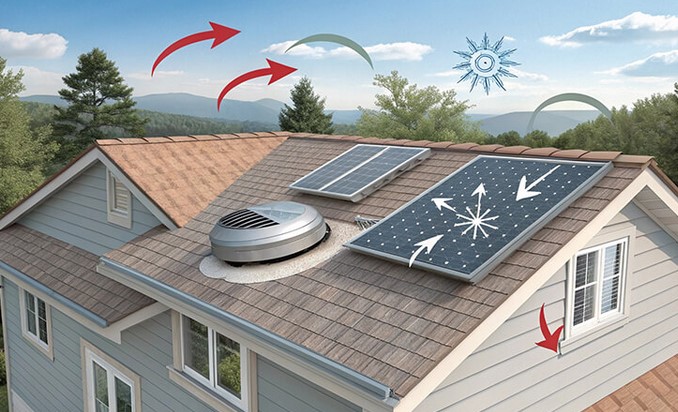
Solar Attic Fans: Keep Your Attic Cool and Dry with Solar Power

Source:https://solarlivingsavvy.com

Attics are often one of the most overlooked areas in a home, but their impact on the overall comfort and energy efficiency of a house can be significant. Many homeowners are now turning to solar attic fans to help regulate the temperature and moisture levels in their attics. These innovative devices not only help in maintaining a comfortable indoor environment, but they also reduce energy costs, improve the lifespan of roofing materials, and promote sustainability. In this article, we’ll explore how solar attic fans work, their benefits, and why they’re becoming an essential component of modern home energy solutions.

The Role of Attics in Home Efficiency

Attics, by design, are spaces that often trap heat and humidity, which can lead to a host of problems. Excessive heat buildup can make your home uncomfortable, increase cooling costs, and cause long-term damage to insulation and roofing materials. Similarly, trapped moisture can result in mold growth, wood rot, and reduced air quality in the home.

While traditional attic ventilation methods, such as vents and fans, have been around for years, the use of solar power is transforming the way these systems work. Solar attic fans harness the sun’s energy to provide a continuous flow of ventilation, ensuring that your attic stays cool and dry without adding any extra load to your electricity bill.

1. The Science Behind Solar Attic Fans

Solar attic fans work by using photovoltaic (PV) panels to convert sunlight into electricity. This electricity powers a fan that draws hot air and moisture out of the attic, improving ventilation. By allowing hot air to escape and fresh air to enter, solar attic fans can effectively lower the overall temperature in your attic, particularly during the hot summer months.

The fans are designed to operate automatically, typically turning on when the attic temperature reaches a certain threshold, and turning off once the attic cools down. This means they require no manual intervention and are self-regulating, making them an energy-efficient, low-maintenance solution for attic ventilation.

Because solar attic fans don’t rely on the electrical grid, they are an eco-friendly alternative to traditional electric-powered fans. They harness renewable energy from the sun, making them a sustainable and cost-effective solution for homeowners looking to reduce their carbon footprint.

Key Benefits of Solar Attic Fans

The advantages of installing solar attic fans are manifold. From cost savings to improved comfort, here are some of the top benefits of incorporating these devices into your home’s ventilation system:

1. Energy Efficiency and Cost Savings

The primary benefit of a solar attic fan is its energy efficiency. Traditional attic fans rely on electricity, which can increase your utility bills. On the other hand, solar attic fans are powered by the sun, meaning they operate at no cost to you. This can significantly reduce your energy consumption, particularly during the hot summer months when attics tend to overheat. Over time, the cost savings on your cooling bills can offset the initial cost of the fan installation.

By keeping your attic cooler, solar attic fans also reduce the load on your air conditioning system. This helps improve the overall energy efficiency of your home and can lower your overall energy bills. In fact, some homeowners have reported energy savings of up to 30% after installing a solar attic fan.

2. Temperature Regulation

Attics are naturally prone to heat buildup due to their location at the top of the house. In the summer, this heat can be unbearable, raising the temperature of your living spaces below. Solar attic fans help mitigate this by venting the hot air out of the attic, reducing the internal temperature. This not only makes your attic more comfortable to store items but also helps regulate the temperature in the rooms below.

Without proper ventilation, the hot air trapped in the attic can lead to higher indoor temperatures, causing your cooling system to work harder. By installing a solar attic fan, you can maintain a more stable temperature throughout your home, reducing the need for constant air conditioning and contributing to a more energy-efficient household.

3. Humidity and Moisture Control

In addition to temperature regulation, solar attic fans are highly effective at reducing humidity levels in the attic. Excess moisture can lead to mold growth, mildew, and wood rot, which can compromise the structural integrity of your roof and insulation. By providing constant airflow, these fans help to expel moist air and prevent the buildup of excess moisture.

Proper moisture control is especially crucial in areas with high humidity, as it helps maintain the health of your attic, protects your home’s structural components, and ensures the longevity of your roofing materials. In winter, moisture can also freeze and create problems with ice dams, which can lead to costly roof repairs. A solar attic fan helps to mitigate this risk by promoting consistent ventilation year-round.

4. Eco-Friendly and Sustainable

Solar attic fans are an eco-friendly solution because they use solar energy, a renewable resource, to power their operations. Unlike conventional attic fans that rely on electricity from the grid, solar attic fans do not contribute to your carbon footprint. By using solar power, you are reducing the amount of fossil fuel-based energy your home consumes, which makes a positive impact on the environment.

Furthermore, installing a solar attic fan can qualify you for tax credits or rebates in some regions, making it an even more appealing option for homeowners interested in sustainable home improvements.

How to Choose the Right Solar Attic Fan for Your Home

Not all solar attic fans are created equal, so it’s important to consider a few factors when selecting one for your home:

1. Size and Coverage Area

The size of the fan is one of the most critical factors to consider. A fan that is too small for your attic will not provide sufficient ventilation, while a fan that is too large may waste energy and not be cost-effective. The right size depends on the square footage of your attic and the climate in your area. Manufacturers usually provide guidelines on the coverage area for each model, so make sure to match your fan to your attic’s size.

2. Quality of the Solar Panel

The efficiency of the solar panel is crucial for the fan’s performance. Look for fans with high-quality, durable solar panels that can withstand different weather conditions. Solar panels with a higher wattage will generate more power, enabling the fan to work more efficiently, even on cloudy days.

3. Installation and Maintenance

While many solar attic fans are relatively easy to install, it’s important to check if professional installation is required. Some models may need to be mounted on the roof, while others may be installed in the gable or attic vents. If you are unsure, it’s always a good idea to consult a professional installer.

Another consideration is maintenance. Solar attic fans are designed to be low-maintenance, but you should still clean the solar panel periodically to ensure it operates at full capacity. Checking the fan’s performance before each summer season is also a good practice to ensure it’s working properly.

4. Durability and Warranty

Solar attic fans are exposed to the elements, so durability is essential. Look for models made of high-quality, weather-resistant materials. Many manufacturers offer warranties, ranging from 5 to 25 years, so be sure to choose a fan with a good warranty for peace of mind.

Solar attic fans provide an energy-efficient, eco-friendly, and cost-effective solution for managing the temperature and moisture levels in your attic. By using solar power, these fans reduce your reliance on traditional electricity, lower energy bills, and help maintain a healthier home environment. Not only do they improve ventilation, but they also protect your home from potential damage caused by excess heat and moisture. If you’re looking for an environmentally conscious and sustainable way to enhance your home’s efficiency, a solar attic fan is an excellent investment that will pay off in comfort, cost savings, and peace of mind.

DIY Wall Murals: Create Stunning Art in Your Home

Source:https://images.photowall.com

Transforming your home into a space that reflects your personality and style doesn’t always require expensive renovations or designer furniture. One of the most creative and impactful ways to do so is by adding DIY wall murals to your space. Wall murals have the ability to turn a simple, blank wall into a stunning focal point, instantly elevating the ambiance of a room. Whether you’re looking for something abstract, nature-inspired, or a more personalized design, creating your own mural can be a fun and rewarding project. In this article, we’ll explore how you can craft beautiful, custom DIY wall murals that will bring a unique touch of artistry to your home.

Why Choose DIY Wall Murals?

Wall murals are more than just decorative pieces—they’re a powerful form of self-expression. The main reason many homeowners opt for DIY wall murals is that they provide a personal, customizable touch that other forms of wall art simply can’t match. Unlike mass-produced artwork or generic wallpaper, murals are one-of-a-kind creations that can reflect your tastes, passions, and creativity.

1. A Personalized Artistic Expression

The beauty of a mural is that it can be tailored to fit any theme or mood you want to evoke in a room. Perhaps you love the idea of a calming landscape in your bedroom, or maybe you want a vibrant cityscape to inspire creativity in your home office. With DIY murals, you have the power to select colors, styles, and images that resonate with you, creating a truly personalized piece of art for your living space.

2. Cost-Effective Design

While hiring a professional muralist can be expensive, creating your own mural allows you to achieve the same stunning visual impact at a fraction of the cost. DIY wall murals are an affordable way to add artistic flair to your space without breaking the bank. By purchasing a few basic supplies, you can make a big difference in the overall feel of your room.

3. A Sense of Accomplishment

There’s a unique sense of satisfaction that comes with completing a project you’ve done yourself. Not only will you get to enjoy the mural as part of your décor, but you’ll also take pride in knowing that you’ve created something beautiful with your own hands. The process of planning, sketching, and painting your mural can be a therapeutic and enjoyable experience, and the end result is a stunning piece of art that adds character to your home.

Types of DIY Wall Murals and Ideas for Inspiration

There are countless ways to approach a DIY wall mural, and the options are only limited by your creativity. Here are some popular ideas and styles for murals that you can consider for your home:

1. Nature-Inspired Murals

One of the most popular themes for DIY murals is nature. Whether it’s a serene mountain scene, a tropical jungle, or a tranquil beach, nature murals bring a sense of calm and beauty to a room. These murals are particularly fitting for bedrooms or living areas where relaxation is key. You can use soft, muted colors for a peaceful vibe or bold and vibrant shades to create a more dramatic effect.

For a more creative twist, consider incorporating nature into a modern design. Geometric trees, abstract floral patterns, or stylized waves can infuse your mural with a contemporary edge while still maintaining a natural theme.

2. Geometric and Abstract Murals

If you’re looking for a more modern or minimalist aesthetic, geometric and abstract DIY wall murals might be the right fit. These designs often use clean lines, shapes, and vibrant colors to create a striking, visual impact. Geometric murals can bring a contemporary feel to a living room, home office, or even a kitchen. Whether you choose symmetrical patterns, angular shapes, or irregular forms, abstract murals can add personality and texture to your walls without overwhelming the space.

For a more refined look, consider monochromatic tones, or experiment with gradients to create depth and dimension. You can even combine different techniques, such as watercolor effects or textured brushstrokes, to make your mural stand out.

3. Mural With a Personal Touch

Perhaps the most exciting aspect of DIY murals is that they allow you to add a personal touch to your space. Family portraits, favorite quotes, or significant places in your life can make for powerful mural designs. For example, you could paint a mural of your favorite vacation destination, or an inspirational quote that holds personal meaning to you. This type of mural brings a deeper connection to your home, making it more than just a decorative piece but a reflection of your identity.

If you’re artistically inclined, you might even choose to recreate a personal photograph as a mural. This could be an image of a special moment in your life, such as a wedding or the birth of a child, or a beloved family pet. By incorporating such personal images, your mural will serve as a reminder of the things that matter most to you.

Step-by-Step Guide to Creating Your DIY Wall Mural

Creating a DIY wall mural is a straightforward process, but it does require planning, patience, and the right tools. Here’s a basic step-by-step guide to help you get started:

1. Choose Your Mural Theme and Design

The first step is to decide on the theme and design of your mural. Start by gathering inspiration—look at websites like Pinterest, Instagram, or even art books for ideas that match your room’s aesthetic. Once you have an idea of the style, sketch a rough version of your design on paper to visualize how it will look on the wall.

2. Prepare the Wall

Before you start painting, ensure the wall is clean and smooth. Patch up any holes or cracks, and lightly sand the surface to ensure the paint will adhere properly. If the wall has a bold color or pattern, you may want to apply a base coat of white or a neutral color to make your mural stand out more vividly.

3. Transfer the Design to the Wall

Once the wall is prepped, it’s time to transfer your design. If your mural is large, you might want to use a grid technique to ensure your design stays proportional. This involves drawing a grid on both your sketch and the wall, breaking the mural into smaller, more manageable sections. Alternatively, you can use a projector to project your design onto the wall and trace it.

4. Select the Right Paints and Tools

When it comes to paint, choose high-quality acrylic paints, which work well on walls and provide vibrant colors that will last. You’ll also need a variety of brushes, ranging from large rollers to fine-tipped brushes for intricate details. Additionally, consider using painter’s tape to create clean edges and protect areas you don’t want painted.

5. Start Painting

Begin painting your mural from the top down to prevent drips from affecting areas you’ve already painted. Start with the background or larger elements, and gradually add in the smaller details. Take your time, and don’t rush the process—layering colors and adding shading can really make your mural pop. For intricate designs, you can also use a small brush for finer details.

6. Add Finishing Touches

Once the painting is complete, let it dry thoroughly. To ensure your mural stays vibrant and protected, consider applying a clear acrylic sealer. This will help protect the mural from wear and tear, especially in high-traffic areas or places exposed to moisture, like bathrooms or kitchens.

Creating DIY wall murals is an exciting and rewarding way to personalize your home and add a unique artistic flair to your space. From nature-inspired landscapes to geometric designs or personal portraits, the possibilities for mural art are endless. Not only do these murals enhance the aesthetics of a room, but they also allow you to express your creativity and bring your personal vision to life. With a little planning, patience, and the right tools, you can turn any blank wall into a stunning piece of art that truly reflects who you are.

Eco-Friendly Wall Paints for a Healthier Home

Source:https://images.squarespace-cdn.com

When it comes to home improvement, one of the most effective ways to refresh your living space is by applying a fresh coat of paint. However, as homeowners become more environmentally conscious, the impact of traditional paints on health and the environment is gaining attention. Eco-friendly wall paint has emerged as a safe, sustainable alternative, offering a healthier and greener way to decorate your home. In this article, we will explore the benefits of eco-friendly paints, the ingredients to look for (and avoid), and how you can incorporate them into your home for a more sustainable and healthy environment.

1. The Environmental and Health Benefits of Eco-Friendly Wall Paints

Eco-friendly paints are designed to minimize harm to both the environment and your health. Traditional paints often contain volatile organic compounds (VOCs), harmful chemicals that can negatively affect air quality and human health. These chemicals contribute to indoor air pollution and can cause respiratory issues, headaches, and even long-term health problems. Eco-friendly wall paint, on the other hand, is formulated with natural ingredients and low or no VOCs, making it a safer and healthier option for your home.

1.1. Non-Toxic Ingredients

One of the most significant advantages of eco-friendly wall paint is that it is made with non-toxic, natural, or plant-based ingredients. These paints are free from harmful substances such as lead, formaldehyde, and phthalates, which are commonly found in traditional paints. As a result, eco-friendly paints release fewer chemicals into the air, reducing the risk of indoor air pollution. This is particularly important for families with young children, pets, or individuals with respiratory issues or sensitivities.

In addition, many eco-friendly paints are free from synthetic fragrances, which can trigger allergies and asthma. Natural colorants derived from clay, minerals, and plant pigments are often used, ensuring that the colors you choose for your home won’t compromise your health.

1.2. Improved Indoor Air Quality

Since eco-friendly paints contain little to no VOCs, they significantly improve indoor air quality. VOCs can remain in the air long after the paint has dried, causing lingering odors and potential health hazards. Low-VOC and VOC-free paints, on the other hand, release fewer toxins into the air, making the indoor environment cleaner and safer.

This is especially important for those with respiratory issues, allergies, or sensitivities to chemicals. By opting for eco-friendly wall paints, you can create a home that is not only visually pleasing but also healthier for everyone who lives in it.

1.3. Reduced Environmental Impact

Eco-friendly wall paints also help reduce your carbon footprint. Many of these paints are produced using sustainable manufacturing processes, and the raw materials used in the paint are often sourced responsibly. In addition, some eco-friendly paints are biodegradable, meaning they break down naturally and pose less risk to the environment when disposed of.

Furthermore, some brands of eco-friendly paint even have recyclable packaging, further reducing waste and making them an environmentally conscious choice. By choosing eco-friendly wall paint, you are actively contributing to the reduction of environmental pollution and waste.

2. Key Ingredients to Look for (and Avoid) in Eco-Friendly Paint

When selecting eco-friendly wall paint, it’s important to understand the ingredients that make a paint environmentally friendly and safe for your home. Here are some key ingredients to look for and some harmful chemicals you should avoid:

2.1. Look for: Natural Oils and Resins

Many eco-friendly paints use natural oils and resins as their base, such as linseed oil or soy-based resins. These oils are biodegradable, non-toxic, and provide a smooth, durable finish. They are an excellent alternative to the petrochemical-based resins used in traditional paints, which can release harmful fumes into the air.

In addition, natural oils often provide a natural sheen that enhances the beauty of your walls. Look for paints with ingredients like tung oil or plant-based resins, which offer both sustainability and longevity.

2.2. Look for: Clay and Mineral Pigments

Traditional paints often rely on synthetic pigments, which can be derived from petrochemicals. Eco-friendly paints, however, tend to use natural pigments sourced from clay, minerals, and plant-based ingredients. These pigments are not only non-toxic but also create rich, vibrant colors that are gentle on the environment.

Mineral-based paints, such as those containing lime or chalk, are known for their durability and can be used to create a matte or textured finish, adding depth and character to your walls.

2.3. Avoid: Volatile Organic Compounds (VOCs)

VOCs are the primary culprits when it comes to toxic emissions from traditional paints. These chemicals evaporate into the air during and after application, causing air pollution and posing risks to human health. VOCs are linked to a range of health problems, including headaches, dizziness, nausea, and respiratory issues.

In eco-friendly paints, VOC levels are kept to a minimum or eliminated entirely. Be sure to check for labels that indicate the paint is low-VOC or VOC-free to ensure that you are choosing a product that supports a healthier indoor environment.

2.4. Avoid: Formaldehyde and Phthalates

Formaldehyde is a colorless, strong-smelling chemical commonly found in some paints and coatings. It is a known carcinogen and can cause eye irritation, headaches, and other respiratory problems. Phthalates, which are chemicals used to increase the flexibility of plastic, can also be found in some paints. They have been linked to hormonal disruptions and other health issues.

Look for eco-friendly paints that are certified to be free from these harmful chemicals. Reputable brands will often display this information on their labels, ensuring that their products meet strict health and safety standards.

3. How to Incorporate Eco-Friendly Paints Into Your Home

Making the switch to eco-friendly wall paint is a simple way to promote a healthier and more sustainable home. Here are some ideas on how to incorporate eco-friendly paints into different areas of your home:

3.1. Living Rooms and Bedrooms

For the living room and bedroom, you can create a calming, serene environment using soft, natural hues from eco-friendly paints. Colors such as light greens, beige, or soft blues can help promote relaxation and restful sleep. Whether you’re painting a single accent wall or an entire room, using eco-friendly paints ensures that you’re not compromising your health for aesthetics.

Consider using clay-based or mineral paints in these rooms for a matte, earthy finish that complements natural furniture and décor. These paints will add texture and depth to your space while maintaining an eco-conscious footprint.

3.2. Kitchens and Bathrooms

In the kitchen and bathroom, choosing eco-friendly paints with mildew-resistant properties is important. Eco-friendly paints designed for high-moisture areas are formulated to resist mold and mildew growth, which is particularly essential in damp environments like bathrooms and kitchens.

Look for paints that are water-based and free from harmful chemicals like ammonia and formaldehyde. These paints will provide a durable, long-lasting finish without sacrificing health and environmental benefits.

3.3. Children’s Rooms

When painting children’s rooms, it’s especially important to use non-toxic, eco-friendly paints. Kids are more sensitive to indoor air pollution and can be more susceptible to the harmful effects of VOCs and other chemicals. Eco-friendly paints are safe for children and pets, providing peace of mind for parents while ensuring a healthy living environment.

Opt for bright, playful colors in children’s rooms using paints made with plant-based pigments. These paints are safe, vibrant, and will help create a space that is both fun and healthy for your little ones.

In conclusion, eco-friendly wall paint is an excellent choice for homeowners who want to improve the look of their home without compromising their health or the environment. By selecting paints with natural, non-toxic ingredients and low or no VOCs, you can create a stylish and sustainable home that promotes better indoor air quality and reduces environmental impact. Whether you’re redecorating a single room or renovating your entire house, eco-friendly paints offer an affordable and responsible way to enhance your living space. Choose wisely, and your home will not only look beautiful but also be healthier for you, your family, and the planet.

Kitchen Storage Hacks to Maximize Your Space

Source:https://vaal.co.ke

In many homes, the kitchen is the heart of the house—a place where meals are prepared, families gather, and memories are made. However, for those with smaller kitchens or a lot of cooking gadgets, storage can become a challenge. Kitchen storage hacks offer creative solutions to help you maximize every inch of your kitchen, making it both functional and stylish. Whether you’re dealing with a cramped space or simply looking for ways to keep your kitchen organized, these tips will help you optimize your kitchen layout without sacrificing design or efficiency.

1. Utilize Vertical Space for More Storage

1.1. Wall-Mounted Shelves and Racks

One of the best ways to maximize kitchen space is to take advantage of your walls. Installing wall-mounted shelves or racks is an effective way to store utensils, pots, pans, and even small appliances. By elevating these items off the counter, you free up valuable surface area for food prep and other tasks.

Consider open shelving to display your most-used kitchen items like plates, bowls, or mugs. Not only does this create an accessible storage solution, but it also adds a modern, airy vibe to the space. For a more organized approach, you can add pull-out shelves or baskets under the wall-mounted units, offering additional hidden storage while keeping everything within reach.

Magnetic spice racks, knife holders, and hanging baskets are great examples of vertical storage solutions. These systems can be installed on the backs of cabinet doors or on empty wall spaces. The more you can store vertically, the less clutter will pile up on the countertops.

1.2. Tall Cabinets and Pantry Organization

If your kitchen has the height but not the depth for cabinets, tall, narrow cabinets or a vertical pantry might be the perfect solution. Use adjustable shelving within these cabinets to accommodate items of different sizes. This approach makes use of every inch, from floor to ceiling, and provides a dedicated space for non-perishables, canned goods, or small kitchen appliances.

By organizing items within these tall cabinets in an efficient manner—such as grouping similar products together and using labeled containers—you can quickly access what you need without rummaging through drawers or cluttered shelves.

2. Clever Storage for Small Appliances

2.1. Appliance Garages

Small appliances like toasters, blenders, and coffee makers often take up valuable counter space. An excellent solution for kitchen storage hacks is the addition of an appliance garage. This is a countertop cabinet or cubby that hides appliances when not in use, keeping them out of sight but easy to access. These appliance garages are typically designed with a retractable door or pull-out shelves, making them highly functional.

If you have the space, an appliance garage can house multiple devices, such as a stand mixer, coffee machine, and toaster, without crowding your countertops. This helps maintain a clean, sleek look in your kitchen while ensuring that your appliances are easy to access when needed.

2.2. Pull-Out Cabinets for Appliances

Another innovative solution for small appliance storage is the use of pull-out cabinets. These are cabinets with a pull-out feature designed to store appliances like blenders, coffee makers, or microwaves. The pull-out system allows you to store appliances out of sight when not in use, but it keeps them easily accessible without the need to lift or move them.

Pull-out shelves or rolling carts can also be placed under countertops or in pantries for easy access to your smaller kitchen gadgets. This makes your kitchen more organized, especially if you need to store heavy appliances without cluttering your countertops.

3. Optimize Drawers and Cabinets with Smart Organization

3.1. Drawer Dividers and Inserts

To keep utensils, silverware, and small kitchen tools organized, consider using drawer dividers or inserts. These simple yet effective solutions help compartmentalize items in your drawers, making it easier to find what you’re looking for. Dividers are available in various sizes, and some are even adjustable, allowing you to customize the layout of your drawer space.

For even more specialized storage, you can opt for pull-out or pull-down dividers that maximize space in deeper drawers. These pull-out systems can organize everything from cutting boards to baking sheets and allow for easy access without digging through piles of utensils.

3.2. Pull-Out Trash and Recycling Bins

Reducing visual clutter in your kitchen can be as simple as hiding your trash and recycling bins. One of the most popular kitchen storage hacks is installing pull-out or built-in trash bins. These bins are concealed in cabinet spaces, often with two separate compartments—one for trash and one for recyclables. This allows for quick, discreet disposal of waste while keeping the kitchen clean and organized.

Not only do pull-out bins improve the overall look of your kitchen, but they also provide more space in your kitchen for other essential items. They’re perfect for those who want a tidy and efficient environment without sacrificing convenience.

3.3. Custom Cabinet Solutions

For a truly organized kitchen, custom cabinetry is a worthwhile investment. Modern kitchen cabinets can be designed with features such as pull-out drawers, pull-down shelves, and built-in dividers that make organizing and accessing items a breeze. For instance, deep drawers designed specifically for storing pots, pans, and lids can maximize cabinet space while ensuring that everything has its place.

Custom cabinets also allow for specialized storage for things like spices, baking trays, or cleaning supplies. A lazy Susan, for example, is a clever solution for corner cabinets, helping you access hard-to-reach areas. Pull-out pantry shelves are another great option for maximizing the space in your pantry, giving you organized storage for everything from canned goods to condiments.

In conclusion, kitchen storage hacks can completely transform the functionality and appearance of your kitchen, especially when working with limited space. By using vertical storage, integrating pull-out cabinets for small appliances, and optimizing drawer and cabinet systems, you can create an organized and efficient kitchen that meets your needs without cluttering up valuable space. These tips allow for better access to your kitchen essentials while ensuring that your home remains tidy and visually appealing. Whether you’re dealing with a small apartment kitchen or a busy family hub, implementing these hacks will make your kitchen both more stylish and functional.

Cork Flooring Options for Eco-Friendly and Stylish Homes

Source:https://cloudfrontgharpediabucket.gharpedia.com

When designing an eco-friendly home, choosing sustainable materials is crucial. One such material that stands out for both its environmental benefits and aesthetic appeal is cork. Cork flooring options have been gaining popularity as more homeowners seek alternatives to traditional hardwood, tile, or laminate flooring. With its renewable sourcing, exceptional durability, and versatility in design, cork flooring has become a favored choice for those aiming to combine eco-consciousness with modern style. In this article, we will explore the advantages of cork flooring, different options available, and how to incorporate cork flooring into your home for both function and fashion.

1. Benefits of Cork Flooring

Cork is a natural material harvested from the bark of cork oak trees, which regenerate after harvesting, making it one of the most sustainable flooring choices available. The process of harvesting cork does not harm the tree, which continues to grow and produce cork for decades. This makes cork flooring not only a great eco-friendly choice but also an excellent option for homeowners who are committed to reducing their carbon footprint.

1.1. Sustainability and Eco-Friendliness

The sustainability of cork flooring is one of its most compelling benefits. Cork oak trees are grown primarily in the Mediterranean region, and they are harvested every 9 to 12 years. After harvesting, the tree’s bark regenerates, making cork a renewable resource. This process leaves minimal environmental impact compared to other materials such as hardwood, which requires cutting down entire trees.

Additionally, cork is biodegradable and recyclable, further enhancing its sustainability. For eco-conscious homeowners, cork flooring offers a green alternative to traditional flooring materials like carpet, tile, or vinyl, all of which can take years to break down in landfills.

1.2. Comfort and Insulation

Another major benefit of cork flooring is its natural comfort. Cork has a unique cellular structure, making it soft and slightly springy underfoot, which provides a cushioning effect that can reduce the strain on joints and feet. This feature is particularly appreciated in spaces where people stand for long periods, such as kitchens or home offices.

Cork also offers excellent thermal and acoustic insulation properties. It retains heat, making it an ideal choice for homes in cooler climates, as it can help maintain a comfortable indoor temperature. Its ability to absorb sound makes it a great option for apartments or multi-story homes, as it can help minimize noise transmission between floors.

1.3. Durability and Maintenance

Cork flooring is incredibly durable and resistant to wear, making it suitable for high-traffic areas in the home. Its natural resilience allows it to bounce back from dents and scratches, ensuring that it maintains its appearance over time. Cork is also resistant to moisture, mold, and mildew, making it a practical option for kitchens, bathrooms, and basements.

In terms of maintenance, cork flooring is relatively easy to clean. Regular sweeping or vacuuming to remove dirt and dust, along with occasional damp mopping, will keep the surface looking fresh. Additionally, the surface can be sealed to increase its resistance to stains and water damage, enhancing its longevity.

2. Different Cork Flooring Options to Consider

When it comes to cork flooring options, there are several varieties and finishes to choose from, allowing homeowners to find a look and feel that matches their style and needs. Whether you prefer a natural, earthy aesthetic or a more modern, polished look, cork offers versatility in design and installation.

2.1. Cork Tiles

Cork tiles are one of the most popular forms of cork flooring. They are available in a variety of sizes, shapes, and patterns, allowing for creative and customizable designs. Cork tiles come in both natural finishes and prefinished options, which can be stained or colored to match the decor of your home.

Tiles are easy to install, especially if you choose self-adhesive options, and they can be arranged in different patterns such as checkerboards, diagonal layouts, or straight rows. This flexibility makes cork tiles an excellent option for homeowners who want a unique, personalized look for their floors.

2.2. Cork Planks

For a more traditional hardwood floor appearance, cork planks are an ideal option. These planks are designed to mimic the look of wood flooring while offering all the benefits of cork. They can be installed using a click-lock system, which simplifies the process and eliminates the need for glue or nails. Cork planks also come in a variety of finishes, ranging from natural cork tones to deeper stains that resemble hardwood floors like oak, walnut, or cherry.

Planks are an excellent choice for homeowners who want the warmth and elegance of wood without the environmental impact of cutting down trees. They provide the same comfort and insulation benefits as cork tiles, with a more seamless, uniform look across larger spaces.

2.3. Cork Laminate Flooring

For those seeking a lower-maintenance, more affordable option, cork laminate flooring may be a good choice. Cork laminate consists of a cork veneer layer on top of a sturdy MDF or HDF core. This type of flooring combines the eco-friendliness of cork with the convenience of laminate, offering the look and feel of cork at a more budget-friendly price point.

Cork laminate flooring is easy to install and maintain, and it offers the same insulating and cushioning benefits as traditional cork flooring. It is available in a wide range of designs, including styles that mimic the look of wood, stone, or tile, allowing you to achieve a modern or rustic aesthetic with ease.

3. How to Incorporate Cork Flooring Into Your Home

Cork flooring can be used throughout the home, from living areas to bedrooms, and even in more specialized spaces like kitchens or home offices. Here are some tips on how to incorporate cork flooring into your home:

3.1. Living Rooms and Bedrooms

Cork is an excellent choice for living rooms and bedrooms because of its warmth, comfort, and acoustic insulation. The soft, cushioned surface provides a cozy feel underfoot, making these spaces more inviting. Choose a natural cork finish for a light, airy look, or opt for darker stains if you prefer a more elegant, modern style. Cork’s versatility in color and pattern means it can complement a wide variety of furniture and decor styles.

3.2. Kitchens and Bathrooms

Cork flooring works well in high-traffic areas like kitchens and bathrooms due to its water resistance and durability. In these spaces, it is important to ensure that the cork is properly sealed to protect it from moisture damage. Cork’s natural anti-microbial properties help to prevent the growth of mold and bacteria, making it a healthy choice for environments where spills and splashes are common.

For kitchens, cork floors offer a soft, cushioned surface that reduces fatigue when standing for extended periods. In bathrooms, cork can create a warm, spa-like atmosphere that’s both stylish and functional.

3.3. Offices and Home Studios

If you work from home, cork flooring is a great choice for your office or studio. Its acoustic insulation properties help to minimize noise distractions, and its soft surface provides added comfort for long hours of standing or sitting. The eco-friendly nature of cork also aligns with the values of many professionals who prioritize sustainability in both their personal and work environments.

In conclusion, cork flooring options offer a perfect blend of sustainability, comfort, and style for homeowners who want to make eco-conscious choices without sacrificing design. Whether you opt for cork tiles, planks, or laminate, the versatility, durability, and environmental benefits make cork an ideal choice for a modern, stylish home. By incorporating cork into your flooring design, you can create a space that is not only functional and beautiful but also contributes to a healthier planet. So, whether you’re remodeling or building a new home, consider the advantages of cork flooring—it’s an investment that benefits both your home and the environment.

Modern Home Exteriors: Ideas for a Contemporary Look

Source:https://st.hzcdn.com

The exterior of a home is the first impression visitors and passersby have of your property, and it sets the tone for the rest of the home’s design. Modern home exteriors reflect current design trends that prioritize clean lines, innovative materials, and functional spaces. Whether you’re building a new home or renovating an existing one, updating your exterior can transform the way your home looks and feels. In this article, we explore ideas for achieving a sleek, contemporary look that blends style with practicality, creating an inviting and stunning exterior for your home.

1. Key Elements of Modern Home Exteriors

1.1. Clean, Minimalistic Lines

One of the primary characteristics of modern home exteriors is a focus on clean, minimalistic lines. Gone are the days of overly ornate details or excessive flourishes. Instead, modern homes embrace simplicity, often featuring rectangular or geometric shapes, large windows, and straight edges. The design philosophy is centered around “less is more,” emphasizing simplicity while maximizing functionality.

Large glass windows and sliding doors are a common feature in modern home designs, offering unobstructed views and allowing natural light to flood the interiors. These elements create a seamless transition between indoor and outdoor spaces, blurring the lines between the two and promoting a sense of openness.

Architectural features such as cantilevered sections, flat roofs, and open floor plans are often used to enhance the clean, bold aesthetic of modern homes. These features add an element of surprise and sophistication to the design, giving the home a more dynamic and contemporary presence.

1.2. Bold Color Palettes

Modern home exteriors often feature bold color palettes that are both striking and simple. Neutral tones such as gray, white, and black are commonly used as the base colors, creating a clean backdrop for other elements. These neutral tones offer versatility, complementing a wide range of materials and landscaping options.

In addition to these muted colors, modern exteriors may incorporate accents of rich colors like navy blue, charcoal, or even matte finishes like anthracite gray. The use of contrasting tones, such as pairing a light-colored exterior with dark accents, adds visual interest while keeping the overall aesthetic fresh and modern.

Another popular trend is the use of natural materials that contribute to the overall palette. For instance, wood accents in darker hues or warm tones can be integrated into the facade to create a harmonious balance with other design elements.

1.3. Innovative Materials

The materials used in modern home exteriors are one of the key factors that contribute to their contemporary look. Modern design embraces a range of materials that offer both aesthetic appeal and practicality. Some of the most common materials used in modern home exteriors include:

  • Metal Panels: Metal has become a staple in modern home designs. It’s not only durable and low-maintenance but also provides a sleek and industrial look. Stainless steel, copper, and aluminum panels are often used to create clean lines and bold contrasts.
  • Wood Cladding: Wood is a versatile material that adds warmth and texture to a modern exterior. Whether it’s natural, treated, or painted, wood cladding can be used in combination with other materials like concrete or metal to create a unique, layered effect.
  • Concrete: Concrete is increasingly used for its minimalist, urban appeal. It offers a clean, solid look while also providing exceptional durability and energy efficiency. Textured concrete, exposed aggregate, or concrete panels can add visual interest while maintaining the sleek, modern feel.
  • Glass and Stone: Floor-to-ceiling windows made of glass not only allow natural light to flow through the home but also create a sense of connection with the surrounding environment. Stone is another material commonly seen in modern home exteriors, often used to highlight specific areas such as entryways or feature walls. It gives the home an organic, earthy feel while maintaining a modern edge.

2. Landscaping and Outdoor Spaces: Extending Modern Design Outdoors

2.1. Simplified Landscaping

Landscaping plays a significant role in creating the overall aesthetic of modern home exteriors. Unlike traditional gardens filled with flowers and lush greenery, modern landscaping tends to focus on simplicity and structure. Think low-maintenance, sculpted plants, minimalist hardscapes, and clean, geometric lines.

  • Minimalist Garden Beds: Use simple, clean-lined garden beds filled with architectural plants like grasses, shrubs, and succulents. The goal is to create a balanced, uncluttered look with a focus on textures rather than vibrant, colorful flowers.
  • Sculptural Plants: Incorporate plants with sculptural forms or strong geometric shapes. Cacti, agave, bamboo, or ornamental grasses are great options that fit the modern aesthetic while providing texture and visual interest.
  • Stone Pathways and Gravel: Hardscaping elements such as stone pathways, concrete walkways, and gravel driveways are common in modern landscaping. These materials help create a sleek, streamlined look and reduce the amount of lawn space, which aligns with the clean, no-fuss appeal of modern design.

2.2. Seamless Outdoor Spaces

Modern homes often incorporate outdoor living spaces that are just as stylish and functional as the interior. Patios, decks, and outdoor kitchens are designed to extend the living area into nature, often incorporating the same materials used in the home’s exterior to create cohesion. These areas are perfect for entertaining guests, relaxing, or enjoying the natural surroundings.

  • Glass Railings: For modern homes with outdoor decks or balconies, glass railings offer an unobstructed view of the surroundings while maintaining a sleek, minimalist look.
  • Outdoor Lighting: Integrated lighting can enhance the modern feel of your home by providing ambiance and safety during the night. From embedded lights along pathways to recessed lighting in the ceiling of a covered patio, lighting plays a crucial role in highlighting architectural features and creating a cozy outdoor environment.
  • Fire Features: Modern fire pits, fireplaces, or fire bowls made from metal or stone provide both warmth and visual appeal. They can become the focal point of your outdoor space, especially in cooler months.

3. Sustainable Design Elements in Modern Home Exteriors

3.1. Eco-Friendly Materials

Incorporating sustainable design elements into modern home exteriors is a growing trend. Not only do these elements contribute to a more environmentally friendly home, but they also offer long-term benefits in terms of energy efficiency and durability.

  • Solar Panels: Solar energy is one of the most effective ways to reduce your home’s carbon footprint. Installing solar panels on the roof of your home can contribute to energy savings while maintaining a modern, cutting-edge look.
  • Rainwater Harvesting Systems: Many modern homes now feature rainwater collection systems, which help reduce water consumption by collecting rainwater for irrigation or household use.
  • Recycled Materials: Using recycled materials, such as reclaimed wood or recycled concrete, can help reduce environmental impact while still achieving the sleek, modern aesthetic that is characteristic of contemporary home exteriors.

3.2. Energy-Efficient Windows and Insulation

The windows and insulation of your home play a significant role in its overall energy efficiency. Modern home exteriors often include large, energy-efficient windows that allow plenty of natural light into the home while minimizing heat loss. Triple-glazed windows or low-emissivity (Low-E) glass helps reduce energy consumption and improve the home’s thermal performance.

Likewise, exterior insulation is essential for maintaining a comfortable indoor environment while reducing the need for heating and cooling systems. Insulated siding, exterior wall panels, and energy-efficient roofing materials are all components of a sustainable modern home exterior

In conclusion, modern home exteriors are all about embracing simplicity, functionality, and style. By focusing on clean lines, innovative materials, and minimalist landscaping, you can create a home exterior that not only enhances curb appeal but also reflects contemporary design trends. Whether you’re starting from scratch with a new build or updating your existing home, incorporating these ideas will ensure that your home stands out while offering maximum functionality. From bold color palettes and architectural elements to sustainable practices and seamless outdoor spaces, a modern exterior design is a perfect blend of aesthetics and practicality.